Your DMV renewal notice is on the kitchen counter, your San Leandro smog appointment is booked, and you're expecting a simple pass-or-fail result. You pay for the test, receive a certificate, and assume the paperwork is finished. Then a question comes up: what did the shop's smog check license authorize it to do?
That credential matters because a California smog inspection isn't just a machine reading. The station must hold the right active authorization, the inspector must be properly credentialed, and certain vehicles require the additional STAR certification layer. The license system behind the test helps determine whether the certificate can be accepted for your DMV registration process.
Table of Contents
- What a Smog Check License Means for California Drivers
- The Two Layers of a Smog Check License in California
- How California Smog Licensing Evolved Since 1994
- Test-Only, Test-and-Repair, and STAR License Categories
- Applying For and Renewing a Smog Check License
- Compliance Failures and Penalties Under BAR
- Matching Your Vehicle Type to the Right License Class
- Choosing a Licensed Station That Fits Your Vehicle
What a Smog Check License Means for California Drivers
A smog check license is the authorization that allows a California business and qualified personnel to perform regulated emissions inspections. The Bureau of Automotive Repair, commonly called BAR, oversees this system. BAR's role is to set inspection requirements, license stations and technicians, monitor performance, and enforce the rules that protect the integrity of the certificate you receive.
Think of the certificate as the final receipt from a regulated service. A vehicle can pass its emissions inspection, but the result still depends on the station using the correct equipment, following the required procedure, and having current credentials. A passing reading from an improperly authorized inspection isn't the same as a valid BAR-recognized inspection.
Practical rule: A passing result is only useful when the station, inspector, equipment, and inspection method all match California's requirements.
The license category also tells you something about the service being performed. A test-only station can inspect but cannot repair. A test-and-repair station can inspect, diagnose, and repair vehicles. A STAR station has an additional certification layered over its underlying station license and can handle vehicles that BAR or DMV directs into the STAR program.
California's network operates at meaningful scale. As of March 31, 2026, BAR listed 3,982 Smog Check test-and-repair stations and 3,494 STAR stations in the state, according to BAR's spring 2026 licensing data. The same report says STAR-certified stations performed 83% of all Smog Check tests in calendar year 2025, even though 49% of licensed stations were STAR certified. That difference shows why STAR status isn't a decorative badge. It identifies facilities carrying a disproportionate share of inspection activity.
The system has two basic credential layers, followed by the STAR overlay. The station license belongs to the business location. The technician license belongs to the person performing the inspection. STAR certification belongs to an eligible station, not merely to any individual who has worked around smog equipment.
The Two Layers of a Smog Check License in California
You arrive at a San Leandro shop expecting a quick inspection. Two credentials determine whether that inspection is authorized: one belongs to the business, and the other belongs to the person testing your vehicle. STAR adds a second qualification to the station's license.
The station license belongs to a specific location. It covers the shop's approved equipment, testing area, operating setup, signage, and authorized services. The business also needs an Automotive Repair Dealer registration and must meet BAR requirements for its facility and inspection process.
The technician license belongs to the individual performing the inspection. That person must have the BAR training and certification required for the work. A licensed shop cannot let an unqualified employee connect your vehicle to the equipment and issue a certificate.
The station is the workplace
A station license follows the physical shop, not just the company name. BAR's application process addresses the business information, Automotive Repair Dealer registration, equipment, signage, testing area, and other operating requirements. The station category determines whether the location can perform testing only, test and repair work, or STAR-qualified inspections. The BAR's station application guidance outlines these station-level requirements.
That is why a technician's credentials do not give a shop permission to perform every inspection. The location must be licensed for the service, with the required equipment and setup in place.
The technician is the person doing the inspection
The technician's credential is separate from the station license. It shows that the person operating the inspection equipment and submitting the result has the required training and authorization. Credentials are personal. If a technician changes shops, that move does not transfer the station license or the shop's STAR status.
STAR is an added qualification for an eligible station, not a substitute for either credential. The station must first hold the appropriate Smog Check station license and Automotive Repair Dealer registration before STAR certification can apply. If that underlying registration or license expires or becomes delinquent, STAR eligibility may be lost or suspended.
Both layers affect the inspection behind your certificate. The station provides the authorized workplace, while the technician performs the authorized test. Drivers can use BAR's public license lookup to check a station's status and confirm that it is listed for the service they need. For a specific inspection, ask which credential covers the station and which covers the inspector.
How California Smog Licensing Evolved Since 1994
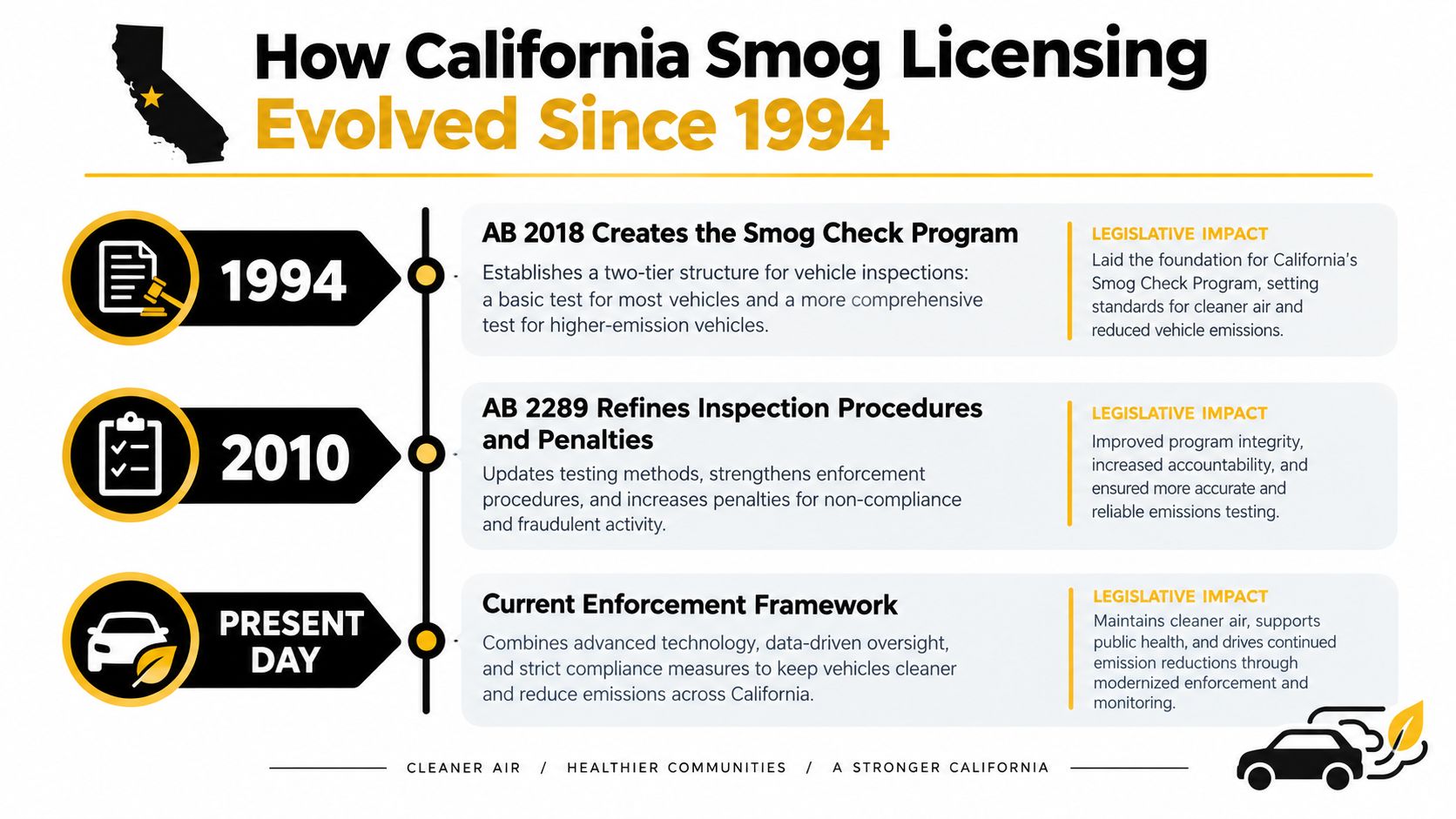
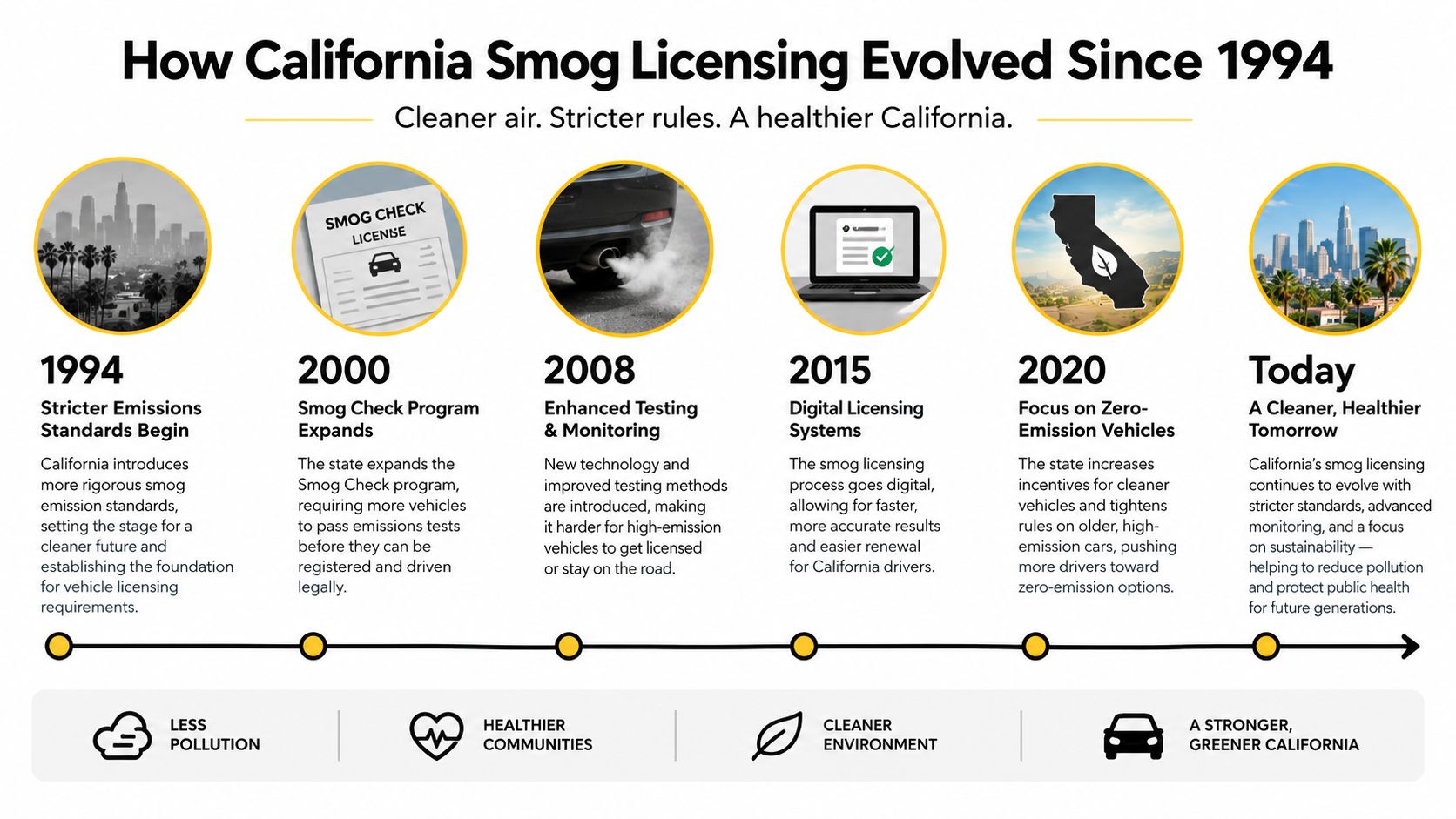
California's current smog licensing structure came from successive changes to the inspection program, not from a single rule written all at once. The first major milestone in the modern framework came with Assembly Bill 2018 in 1994. BAR's Smog Check Reference Guide explains that the law responded to amendments to the federal Clean Air Act and required loaded-mode emissions testing in areas that hadn't met federal air quality standards. Less-polluted areas continued using a two-speed idle test.
That change made the inspection method depend more directly on air-quality conditions and vehicle circumstances. The program became a structured inspection and maintenance system, with licensing and equipment requirements designed around the test being performed.
The shift from Gold Shield to STAR
The next major overhaul arrived with Assembly Bill 2289 in 2010. It modernized the program around OBD II inspections for 2000 model-year and newer vehicles and created the STAR program. STAR began on January 1, 2013, after the Gold Shield Program sunsetted on December 31, 2012, according to the BAR licensing history referenced in the department's licensing data.
The important practical change was the role of the higher tier. Gold Shield had functioned as a designation for certain stations. STAR became a continuing certification connected to inspection performance and eligibility to inspect directed vehicles and gross polluters. BAR requires STAR stations to meet and maintain higher inspection-based standards, rather than treating the designation as a one-time achievement.
Why the history matters at the counter
For a driver, the legislative history explains why a station can be fully licensed yet still be unable to handle a particular vehicle assignment. California built a layered structure with:
- Station authorization, which governs the business location and services.
- Technician authorization, which governs the person conducting the inspection.
- STAR certification, which adds performance and eligibility requirements for certain inspections.
That structure may feel complicated when you're trying to renew registration, but each layer answers a different question. Is the location authorized? Is the inspector qualified? Is the station approved for a vehicle that requires STAR handling? You can find broader background on the state's air-quality framework through this California air resources overview.
Test-Only, Test-and-Repair, and STAR License Categories
The three categories are easier to compare than to memorize. Start with what you need at the counter.
| License Type | Can Inspect? | Can Repair? | Can Serve Directed Vehicles? |
|---|---|---|---|
| Test-only | Yes | No | Only if the station also holds the required STAR certification |
| Test-and-repair | Yes | Yes | Only if the station also holds the required STAR certification |
| STAR certification | Yes, for eligible STAR work | Depends on the underlying station license | Yes, subject to BAR requirements |
A test-only station can perform the inspection, record the result, and issue the appropriate compliance or noncompliance documentation. It can't repair your vehicle as part of that license category. If your car fails, you'll need to take it elsewhere for repairs or choose a test-and-repair facility from the beginning.
A test-and-repair station can inspect the vehicle and work on the causes of a failure. That can be convenient if you want diagnosis and repairs under one roof. It still doesn't automatically make the shop a STAR facility.
STAR is an added layer
STAR isn't just a more advanced name for test-and-repair. It's a separate certification placed on top of an eligible station license. A STAR station must maintain higher performance standards and remain in good standing under BAR's rules.
This is why a basic test-and-repair shop may legally decline to inspect a directed vehicle. The shop might be fully authorized to conduct ordinary inspections and repairs, but the vehicle's assignment calls for a STAR-certified facility. BAR's program uses this additional layer to route certain higher-risk inspections to stations subject to enhanced oversight. Drivers can learn more about that distinction through this guide to a STAR-certified smog station.
At the counter: Ask whether your DMV notice requires a STAR inspection before you pay for a test. The answer can save you a second appointment.
The certificate doesn't change into a different kind of document because a station is test-only or test-and-repair. What changes is the station's legal authority and, for directed vehicles, whether its STAR certification satisfies the assignment. The right choice depends on your vehicle and the instruction attached to your registration or inspection record.
Applying For and Renewing a Smog Check License
A San Leandro shop owner preparing to open a smog station is assembling more than an application. BAR expects the business, location, equipment, facility, Automotive Repair Dealer registration, and qualified personnel to work together as one compliant operation.
A typical application file includes:
- Station information, including the business address and requested license category.
- Automotive Repair Dealer registration, linking the repair business to the station.
- Technician credentials, confirming that qualified personnel are available to perform inspections.
- Facility details, such as required signs, posted fees, testing space, and equipment that meets BAR specifications.
BAR reviews those details before approving the station. Once approved, the station appears in public records, allowing drivers and other businesses to confirm that the location is authorized before an inspection. That public listing is the practical checkpoint behind the license.
Renewal is part of daily operations
Issuance is only the starting point. The owner must keep the station license, Automotive Repair Dealer registration, technician records, inspection activity, and, where applicable, STAR standing current. These pieces fit together like links in a chain. A problem with one can affect the station's ability to operate lawfully.
If the underlying station registration or license expires or becomes delinquent, STAR eligibility may be suspended or lost. BAR also reviews whether the station has enough inspections in the most recently completed calendar quarter to calculate STAR performance measures, along with citations, suspensions, and other disqualifying events. The application rules describe these requirements, and this smog check registration renewal overview summarizes the renewal issues owners commonly need to track.
For owners: Place license dates, technician records, and quarterly inspection activity on one compliance calendar. Separate reminders make it easier to miss one item that affects the whole operation.
Drivers do not have to manage this paperwork, but they experience the result when a station's authorization lapses. Working equipment cannot make an expired station legally able to issue a certificate. Before booking, check the station's current listing, especially if you have visited it before and your vehicle now falls under a different inspection category.
Compliance Failures and Penalties Under BAR
BAR enforcement protects the difference between a legitimate inspection and a certificate produced without the required process. The agency can inspect stations, investigate consumer complaints, review inspection records, and examine whether technicians and equipment were used correctly.
Violations can range from recordkeeping problems to conduct that directly undermines the inspection. Examples include fraudulent certificates, accepting tampered vehicles as compliant, allowing an unlicensed technician to perform an inspection, or handling a directed vehicle outside the STAR framework.
What enforcement can look like
BAR's response depends on the violation and its seriousness. Possible outcomes include:
- Citations, which can require corrective action, payment of a penalty, or retraining.
- Probation, which places the license under additional conditions and monitoring.
- Suspension, which stops the station's inspection authority for the applicable period.
- Revocation, which removes the station's authority and can trigger related licensing consequences for involved technicians.
The key point is that enforcement doesn't stop at the shop's front door. If BAR determines that an inspection was invalid or improperly issued, the driver may face a rejected certificate, a required retest, or an interruption in the registration process.
A vehicle owner also has a practical role. Keep the inspection report, certificate information, invoices, and repair records. If something seems wrong, ask the station to explain the result and use BAR's consumer channels rather than relying on an informal promise that the DMV will accept the paperwork.
The licensing framework is designed to make responsibility traceable. The station is accountable for its facility and business authorization. The technician is accountable for the inspection work. STAR certification adds another performance screen for stations serving directed vehicles.
Matching Your Vehicle Type to the Right License Class
The right station depends on more than whether your car is old or new. Model year, fuel type, onboard diagnostic system, and any DMV or BAR direction can change the inspection method.
BAR states that most 2000 and newer vehicles use the OBD inspection system, while 1999 and older vehicles use the BAR-97 emissions system. The general requirement covers gasoline, hybrid, and alternative-fuel vehicles from model year 1976 and newer, plus diesel vehicles from model year 1998 and newer, according to BAR's smog check guidance.
| Vehicle Type | Inspection Method | Minimum License Class Needed |
|---|---|---|
| 2000 and newer OBD vehicle | OBD system inspection, with the required visual and functional checks | Licensed station with qualified technician |
| 1999 and older vehicle | BAR-97 tailpipe emissions inspection | Licensed station equipped and authorized for the applicable test |
| Diesel vehicle subject to inspection | Method depends on the vehicle's model year, fuel system, and applicable BAR requirements | Station equipped and staffed for diesel inspections |
| Hybrid or alternative-fuel vehicle | Method depends on vehicle design, model year, and BAR inspection rules | Licensed station that handles the specific vehicle type |
| Directed vehicle or gross polluter | Enhanced inspection under the applicable STAR process | STAR-certified station |
The phrase “any licensed station” can cause confusion. A station may hold a valid license but not have the equipment, training, or operational experience for every vehicle class. A pre-OBD vehicle needs a different testing setup from a newer vehicle. A diesel inspection can involve requirements that a gasoline-focused shop doesn't offer.
Before booking: Give the shop the vehicle's year, fuel type, and any wording from your DMV notice. Those details let the station confirm the correct inspection path before you arrive.
Hybrids also deserve a direct question rather than an assumption. The general category of vehicle doesn't tell you every inspection detail. Ask whether the station handles your specific hybrid model and model year, especially if the vehicle has unusual access or inspection requirements.
Choosing a Licensed Station That Fits Your Vehicle
Before handing over your keys, make three checks. They're simple, but they address the three ways a smog appointment can go wrong: an inactive license, a missing STAR designation, or a station that can't perform your vehicle's inspection method.
Check the station first
Look up the business in BAR's license records. Confirm that the station is active and that its listed services match what you need. A familiar sign outside the building isn't enough because licensing status can change.
If your DMV paperwork directs you to a STAR station, verify the STAR designation specifically. A test-and-repair license alone doesn't answer that question.
Match the equipment and technician
Tell the shop whether your vehicle is a newer OBD model, an older tailpipe-test vehicle, a diesel, or a hybrid. Ask whether the inspector is currently authorized for the work and whether the station has the required equipment. A straightforward answer is a good sign. Reluctance to explain the station's credentials deserves caution.
The same applies to the inspection result. A professional shop should be willing to explain what was tested, identify a failure clearly, and provide the relevant paperwork without pressuring you into repairs before the test produces a result.
Watch for avoidable warning signs
Unusually low advertising can leave out required services or create pressure for add-ons. Be cautious if a technician recommends repairs before performing the inspection, refuses to show licensing information, or can't explain whether the station is STAR certified when your notice requires it.
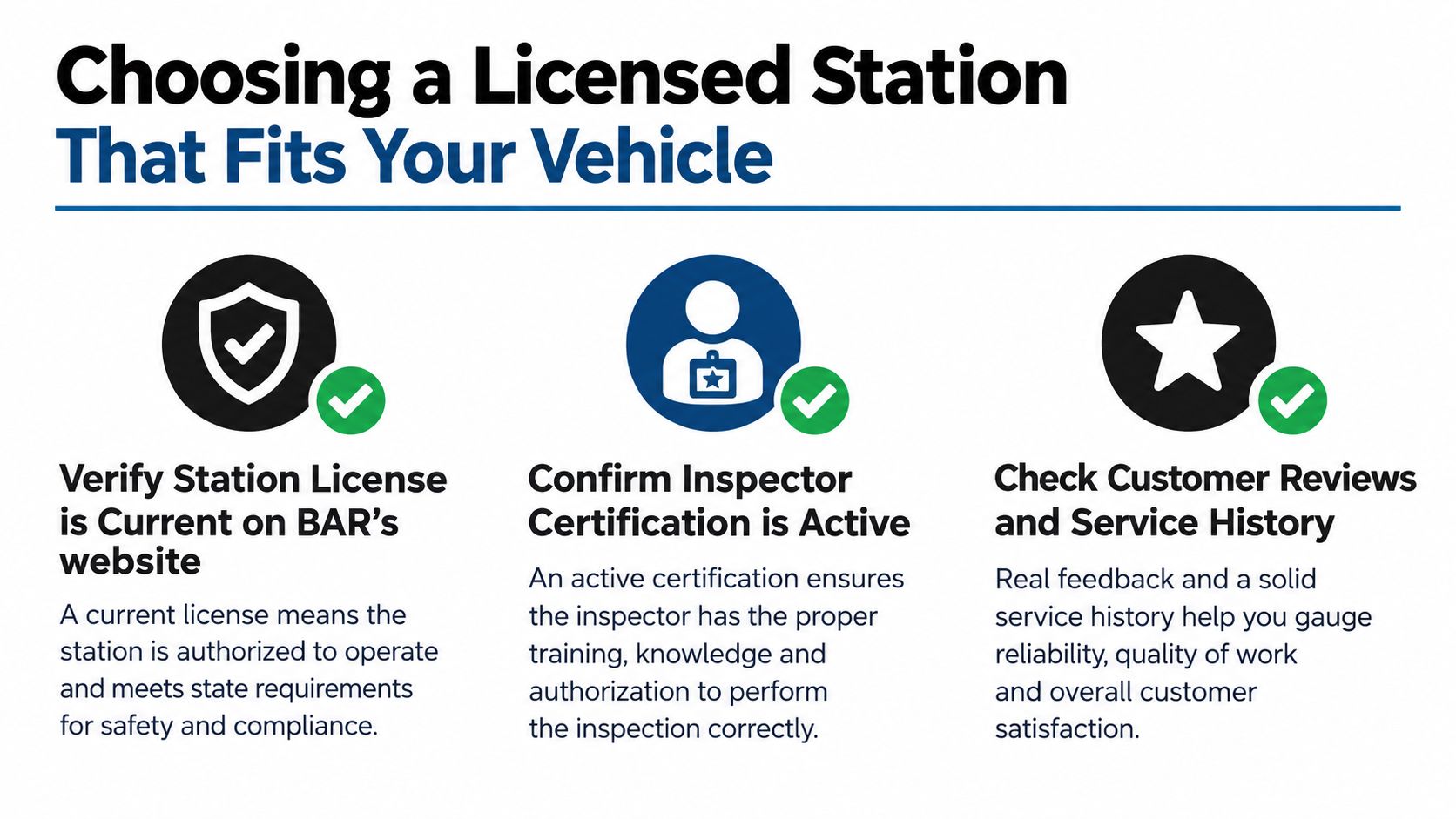
Customer reviews can provide useful context about communication and service, but they don't replace BAR verification. Reviews also may not tell you whether a location handles older vehicles, diesels, or directed inspections.
For San Leandro drivers, Speedy Smog is one local option that identifies itself as a STAR-certified station and offers inspections for newer vehicles, older vehicles, diesels, and hybrids. You should still confirm that the station's current status and your vehicle's specific requirements match before booking.
The certificate in your hand represents more than a test result. It represents a licensed location, a qualified inspector, the correct inspection method, and, where required, active STAR certification. Check those pieces first, then schedule with confidence.
If you're in San Leandro and need a DMV smog inspection, visit Speedy Smog with your registration notice and vehicle details. The station handles STAR-certified inspections and can help confirm the right testing path for newer vehicles, older vehicles, diesels, and hybrids.
You pull into a San Leandro smog station expecting a technician to rev the engine, measure a cloud of black smoke, and tell you whether the diesel passes. That assumption is understandable, but for many California light-duty diesels, it's incomplete. The most important part of the diesel car emissions test is often the vehicle's computer, not a tailpipe probe.
California inspections focus heavily on OBD-II readiness, diagnostic trouble codes, the malfunction indicator lamp, and visual evidence that emissions equipment is present and intact. A diesel can look clean at idle and still fail because its self-tests haven't completed. It can also pass an emissions-control scan while a mechanical problem remains, so you need to understand what the inspection does and doesn't prove.
Table of Contents
- What Happens During a Diesel Car Emissions Test
- How Diesel Tests Differ from Gasoline Smog Checks
- The Three Test Types Your Diesel May Face
- Why STAR Stations Matter for California Diesels
- Common Reasons Diesels Fail the First Time
- How to Prepare Before You Drive In
- Your Next Step at Speedy Smog in San Leandro
What Happens During a Diesel Car Emissions Test
You'll usually begin by providing the technician with your registration or DMV renewal notice. The inspector verifies the vehicle identity and confirms details that determine the correct test procedure, including the model year, gross vehicle weight rating, fuel type, and exemption status. Don't assume every diesel truck follows the same rules. A light-duty pickup and a heavier commercial vehicle may face different testing requirements.
The technician then positions the vehicle in the bay and performs a walkaround. This can include checking the license plate and vehicle identification information, looking for visible emissions-control equipment, and confirming that nothing obvious has been removed or altered. The inspection isn't only about what comes out of the exhaust. It's also about whether the systems designed to control those emissions are still installed and functioning.
The computer scan comes first for many diesels
For newer light-duty diesels, the technician generally connects approved equipment to the OBD-II port under the dashboard. The scan checks whether the vehicle's emissions monitors have completed their self-tests, whether the check-engine light or malfunction indicator lamp is commanded on, and whether diagnostic trouble codes indicate an emissions fault.
That's why a diesel that “runs fine” can still fail. The engine may start easily, accelerate normally, and produce little visible smoke while the computer reports incomplete testing or a problem with the emissions system.
Practical rule: Never clear codes or disconnect the battery right before an inspection. You may erase the warning, but you can also reset the readiness monitors that the technician needs to see as complete.
The visit commonly includes electronic documentation, visual verification, and submission of the result through California's inspection system for DMV processing. Before arriving, review the shop's diesel emissions testing equipment so you know why the bay may look different from a gasoline testing lane.
What the visit feels like
Plan for a short appointment, but allow extra time if the technician finds an issue or the vehicle needs a directed procedure. Bring your renewal paperwork, registration information, and payment. If you're retesting after a failure, bring the previous report so the technician can see the exact reason for the rejection instead of starting with guesses.
The inspector's job is to follow the procedure assigned to that vehicle. Your job is to arrive with the vehicle intact, the monitors ready, and any recent repair history available.
How Diesel Tests Differ from Gasoline Smog Checks
A gasoline owner may remember a loaded tailpipe test on a dynamometer, with a probe measuring exhaust gases while the vehicle operates under simulated road conditions. Most modern light-duty diesels in California are handled differently. The inspection leans much more heavily on the vehicle's diagnostic system and readiness status.
That difference creates the most common misunderstanding. Owners see the exhaust pipe and expect a smoke measurement. California's procedure may instead focus on whether the diesel has completed the required OBD self-checks and whether its emissions controls report a fault.
| Test Element | Gasoline Vehicle | Diesel Vehicle |
|---|---|---|
| Main compliance screen | Depending on vehicle and model year, may include OBD checks and a tailpipe emissions procedure | Primarily relies on OBD readiness, MIL status, stored faults, and applicable visual checks for many light-duty vehicles |
| Tailpipe measurement | Older or applicable gasoline vehicles may use a loaded tailpipe test | Many light-duty diesels don't receive the same dynamometer tailpipe test |
| Emissions equipment inspection | Visual checks can identify missing or altered components | EGR, DPF, catalysts, intake-related equipment, and tampering concerns can matter |
| Computer readiness | Important on vehicles equipped with OBD-II | Central to the inspection for newer light-duty diesels |
| Heavy vehicle rules | Determined by the vehicle's classification and applicable program | Diesels over 14,000 pounds GVWR can fall under special procedures and shouldn't be treated like passenger cars |
Why visible smoke isn't the whole story
Smoke is easy to understand because you can see it. OBD data is less obvious, but it can reveal a system that hasn't completed its diagnostic routine or has stored a fault that isn't producing dramatic symptoms. A diesel may also have low visible particulate smoke while producing excessive nitrogen oxides if its EGR, SCR, or related aftertreatment system isn't working properly.
European inspection rules illustrate the limitation of smoke-only testing. Under the EU periodic technical inspection framework, the core diesel tailpipe metric is generally smoke opacity, with a limit of about 0.7 m⁻¹ for most modern light-duty diesel cars, while NOx and other gaseous pollutants generally aren't part of the required PTI test, as summarized by DieselNet's EU inspection guidance. That's a smoke screen, not a complete chemical audit.
California's OBD emphasis catches certain faults that a smoke reading can miss, but it doesn't directly measure NOx at the tailpipe. The correct expectation is simple: your diesel inspection checks the systems and indicators California requires, not every pollutant under every driving condition.
The Three Test Types Your Diesel May Face
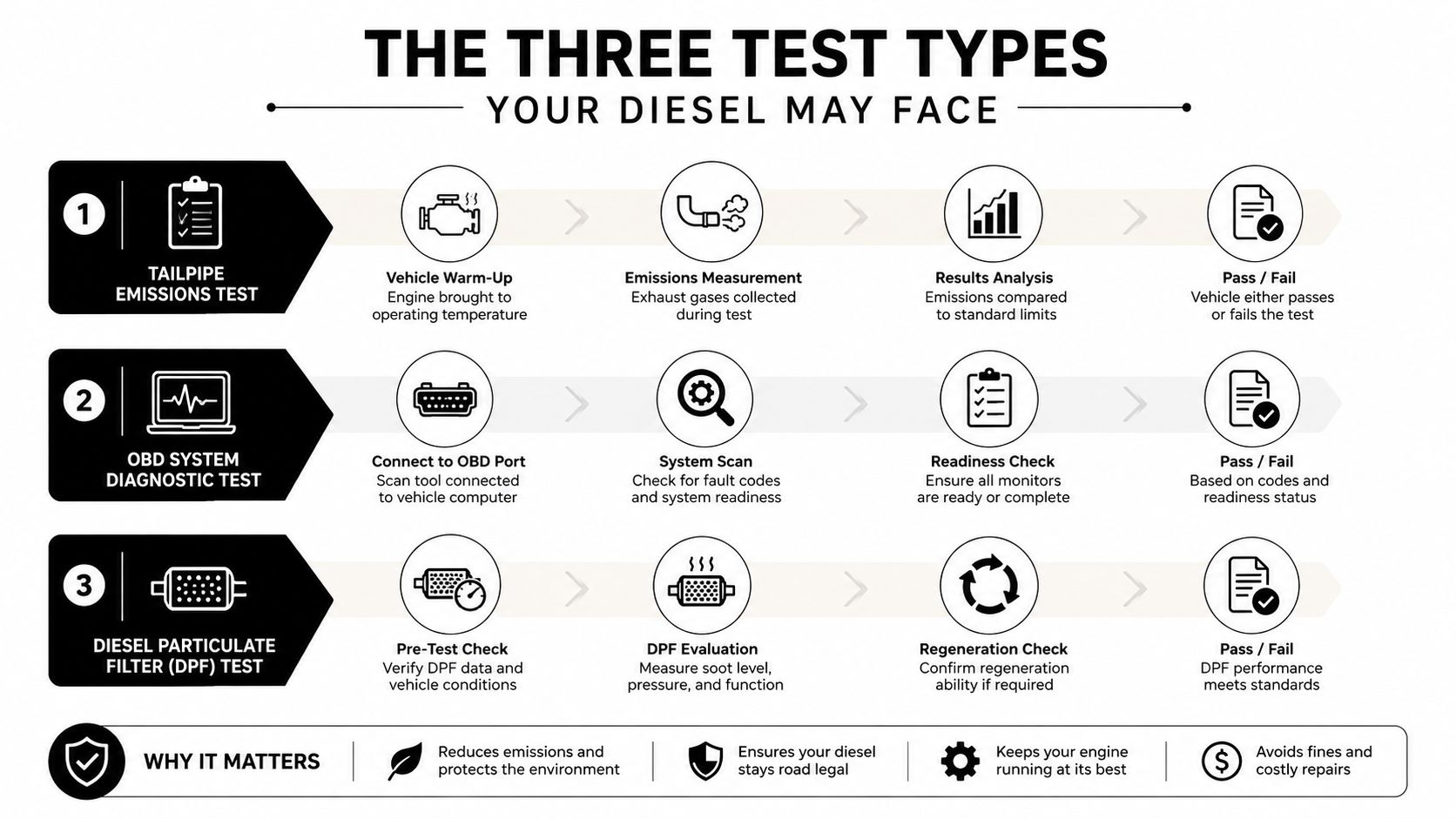
Your diesel may face one test type or a combination. The technician determines the correct path from the vehicle's model year, weight class, fuel type, and California inspection rules. Don't ask a shop to perform the test exactly as it was done on a different truck. Two diesels parked side by side may not receive the same procedure.
OBD diagnostic testing
For 1998 and newer light-duty diesels, the main inspection typically centers on OBD-II. The technician checks readiness monitors, the malfunction indicator lamp, and emissions-related diagnostic trouble codes. The scan doesn't just ask whether the dashboard light is on. It checks whether the vehicle's computer has completed its required evaluations.
A battery disconnect, code-clearing event, tuner reset, or recent repair can leave monitors incomplete. The vehicle may feel completely normal, but the inspection can't certify it until the required checks have run.
California tightened readiness requirements for newer light-duty diesels in its smog-check program. Since July 2023, 2007-and-newer light-duty diesel vehicles are allowed no more than two unset monitors, specifically the Diesel Particulate Filter and Non-Methane Hydrocarbon Catalyst monitors, according to the California Bureau of Automotive Repair update. Those monitors help verify that key emissions controls have performed their self-tests, but they still don't directly measure NOx output.
Opacity or smoke testing
Older diesels and heavier vehicles may receive a free-acceleration opacity test. The technician uses a smoke meter while the engine is accelerated in a controlled manner. The equipment evaluates exhaust opacity, not the full chemical composition of the exhaust.
This procedure is especially relevant when the vehicle's classification calls for a particulate-smoke check. A diesel with poor combustion, excessive fueling, an intake restriction, or an aftertreatment problem may reveal itself through visible smoke during snap acceleration even if it seems clean during ordinary driving.
Visual inspection
The walkaround can be decisive. The technician may check whether the catalytic converter, EGR equipment, DPF, turbocharger-related plumbing, and other required emissions components are present and connected. Obvious tampering, missing hardware, warning lights, or a defeated emissions system can stop the inspection before a clean-looking smoke result helps you.
The procedure is chosen for the vehicle, not the owner's preference. Bring an intact vehicle and accurate paperwork, and let the certified inspector apply the correct combination.
Why STAR Stations Matter for California Diesels
A STAR station meets additional Bureau of Automotive Repair requirements and can inspect vehicles that regular stations may not be authorized to certify. This matters when the DMV directs your vehicle to a STAR location, when the vehicle falls into a higher-scrutiny category, or when a previous failure affects where you can complete the next inspection.
The direction appears on DMV paperwork. Read that notice before choosing a shop. If it says STAR, a non-STAR station may have to refuse the certification even if its equipment appears capable of scanning your diesel.
What STAR certification changes
STAR shops operate under stricter quality expectations and must maintain the equipment, training, and inspection performance required by BAR. The program also uses a Directed Inspection and Repair fee structure, commonly referred to as a DIR fee, for certain directed vehicles. The exact charge depends on the applicable transaction and should be confirmed with the station before testing.
A STAR inspection doesn't guarantee a pass. It guarantees that an eligible vehicle is being tested by a station authorized to handle that assignment. That distinction protects you from paying for an inspection that can't satisfy the DMV requirement.
| Feature | Regular Station | STAR Station |
|---|---|---|
| Standard eligible vehicles | Can inspect vehicles within its authorization | Can inspect standard vehicles within its authorization |
| DMV-directed STAR vehicle | May need to refuse certification | Can certify when the vehicle and transaction qualify |
| Oversight | Must follow BAR inspection rules | Operates under additional STAR performance requirements |
| Equipment and training | Meets regular program requirements | Maintains requirements for STAR participation |
| Electronic DMV reporting | Used for completed inspections | Used for completed STAR inspections as applicable |
Choose based on the DMV instruction
Check the renewal notice first, then confirm the shop's authorization. You can review what a STAR smog station is before booking. Speedy Smog in San Leandro is a STAR-certified option, but the practical question is always whether your particular vehicle and DMV notice require STAR handling.
A STAR shop can inspect a directed diesel, identify the reason for a failure, and submit the result through the proper channel. It can't waive readiness rules or overlook tampering. Certification changes who may perform the test, not what the vehicle must satisfy.
Common Reasons Diesels Fail the First Time
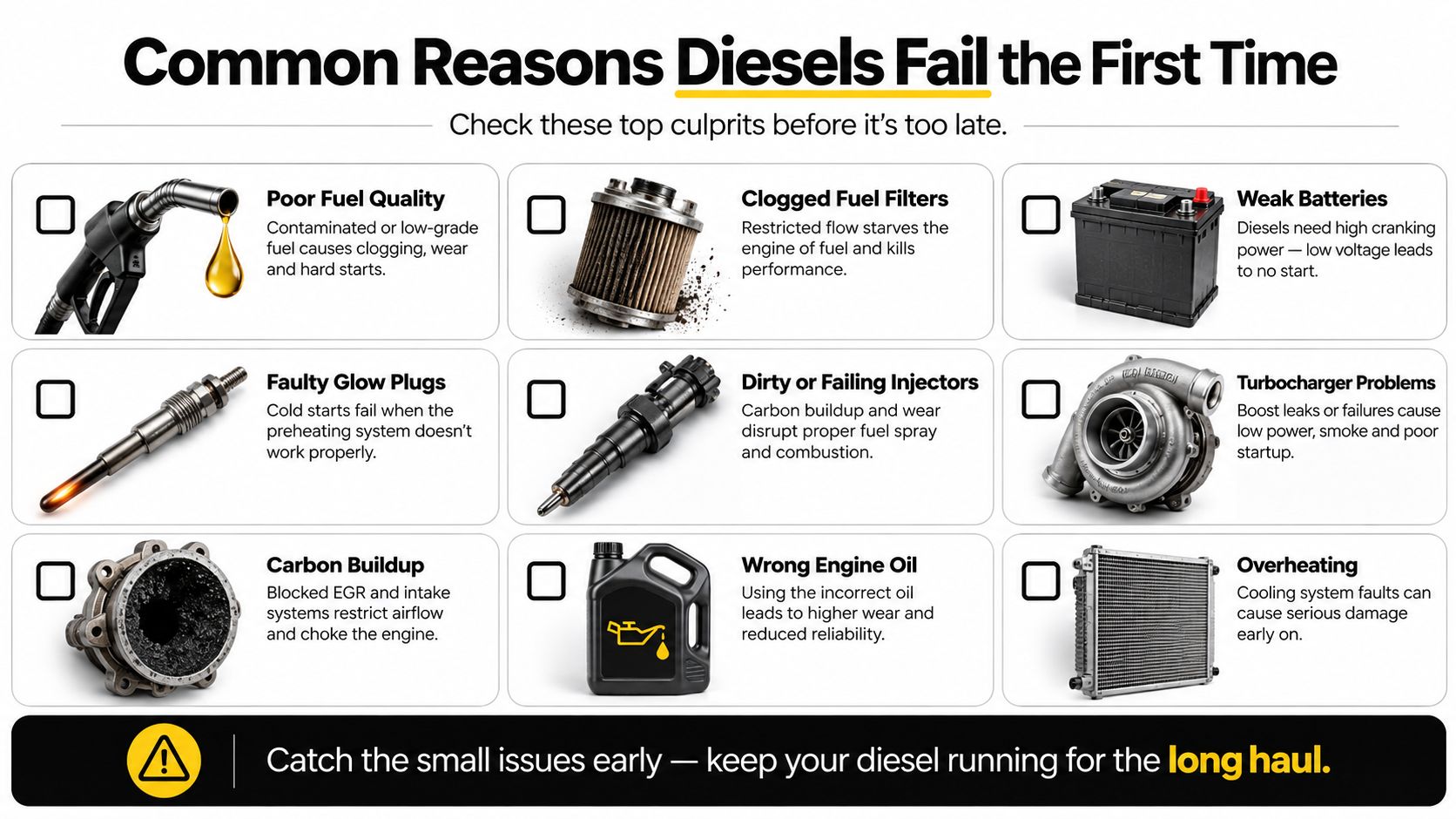
Most first-visit diesel failures aren't mysterious. They come from a short list of electrical, emissions-control, and maintenance problems that owners often miss because the vehicle still drives normally.
The biggest surprise is incomplete readiness monitors. A battery replacement, a cleared check-engine code, a recent computer reflash, or a tuner reset can erase the data the inspection needs. The dash may be dark, but the scan can still show that the vehicle hasn't completed its self-tests.
Hardware and tampering failures
A removed DPF, altered EGR system, disconnected sensor, or modified exhaust can fail the visual inspection. Don't expect low smoke to rescue a vehicle with missing emissions hardware. UK inspection guidance reflects the same practical issue. Industry coverage reports that a visible DPF fault, removed filter, or engine-management warning can cause failure even when opacity is otherwise low, as described in this diesel inspection guidance.
The vehicle may also fail because of:
- NOx sensor faults: The engine may run smoothly while the emissions computer records a sensor or aftertreatment problem.
- Glow-plug and cold-start issues: Slow or incomplete cold-start operation can contribute to poor combustion and smoke, especially during a snap-acceleration procedure.
- Turbocharger problems: Worn seals or boost-control faults can produce haze, oil consumption, or abnormal smoke under acceleration.
- Check-engine light faults: An illuminated MIL is not a cosmetic issue. The technician treats it as evidence of an emissions-related problem until diagnosis proves otherwise.
- Intake and EGR buildup: Restricted airflow can upset combustion and trigger faults even when the driver hasn't noticed a major loss of power.
A truck doesn't have to run badly to fail. The computer may detect a problem long before the driver feels it.
Use the failure report as a repair map, not as a suggestion to clear codes and return. A shop's guide to common smog-check failure reasons can help you understand the distinction between a monitor issue, a visual defect, and a mechanical emissions fault.
How to Prepare Before You Drive In
Preparation starts with the vehicle's computer, not the wash bucket. If you've recently disconnected the battery, cleared codes, installed a tune, or completed emissions repairs, give the monitors time to run through their drive cycle. Short trips around San Leandro may not provide the range of speeds, temperatures, and operating conditions required for every self-test.
The night-before checklist
- Scan readiness status: Use a compatible OBD-II scanner to see whether the diesel's monitors are complete. Don't rely only on the dashboard light.
- Check the MIL: Start the engine and confirm the check-engine light performs its normal bulb check, then turns off if no fault is commanded.
- Inspect the fuel cap: Make sure it seals correctly and isn't cracked or loose.
- Look underneath: Check for obvious exhaust leaks, disconnected wiring, loose sensor plugs, or missing aftertreatment parts.
- Review recent work: Tell the technician about battery replacement, code clearing, ECU programming, DPF service, or sensor replacement.
- Bring paperwork: Have your DMV renewal notice, registration, payment, and any previous failure report ready.
Don't disconnect the battery right before the appointment. If a fault is present, clearing it only hides the warning temporarily and may leave the readiness monitors incomplete. A proper repair followed by a complete drive cycle is the reliable route.
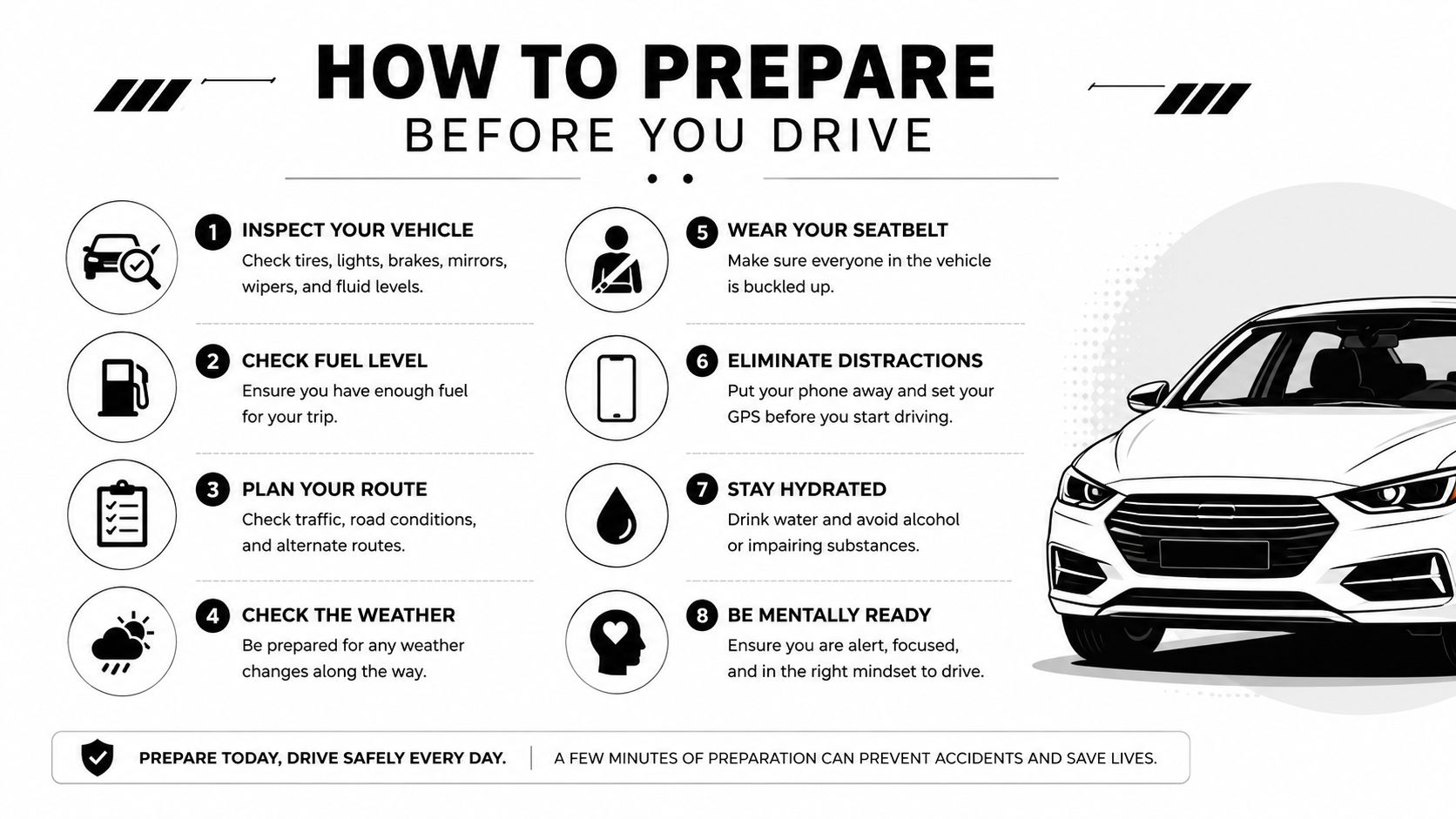
Warm the engine during your normal drive to the shop, but don't abuse the throttle or try to create artificial smoke. The inspector needs a representative, safe vehicle, not a staged performance. If you're unsure whether the monitors are ready, pay for a diagnostic scan before paying for an official inspection.
Here's a visual overview of practical vehicle preparation:
Your Next Step at Speedy Smog in San Leandro
If your diesel is registered in the East Bay, start with the DMV notice and the vehicle's model year and weight information. Call ahead if you're unsure whether the inspection requires STAR authorization, especially if the notice directs you to a STAR station or the vehicle has already failed.
Speedy Smog operates as a STAR-certified station in San Leandro and handles diesel inspections for applicable light-duty vehicles, including diesel pickups, older trucks, and diesel imports such as Volkswagen TDI and BMW models. The shop is located at 15275 Washington Ave, San Leandro, California 94579. Appointments can be arranged by phone or online, and walk-ins are accepted before 4 PM on most weekdays, subject to availability.
Bring the right information
Bring the DMV renewal notice or registration, payment for the inspection and certificate fee, and the previous Smog Check report if you're returning after a failure. Tell the technician whether you've recently replaced the battery, cleared a code, repaired the DPF, or updated the engine computer. Those details can explain incomplete monitors and prevent wasted diagnostic time.
The visit commonly takes about 20 to 30 minutes, though the actual time depends on the vehicle and required procedure. STAR-directed vehicles receive the same one-stop pricing as a regular smog check at the shop, with no added surcharge according to the provided business information. Confirm current hours, eligibility, and pricing before driving over.
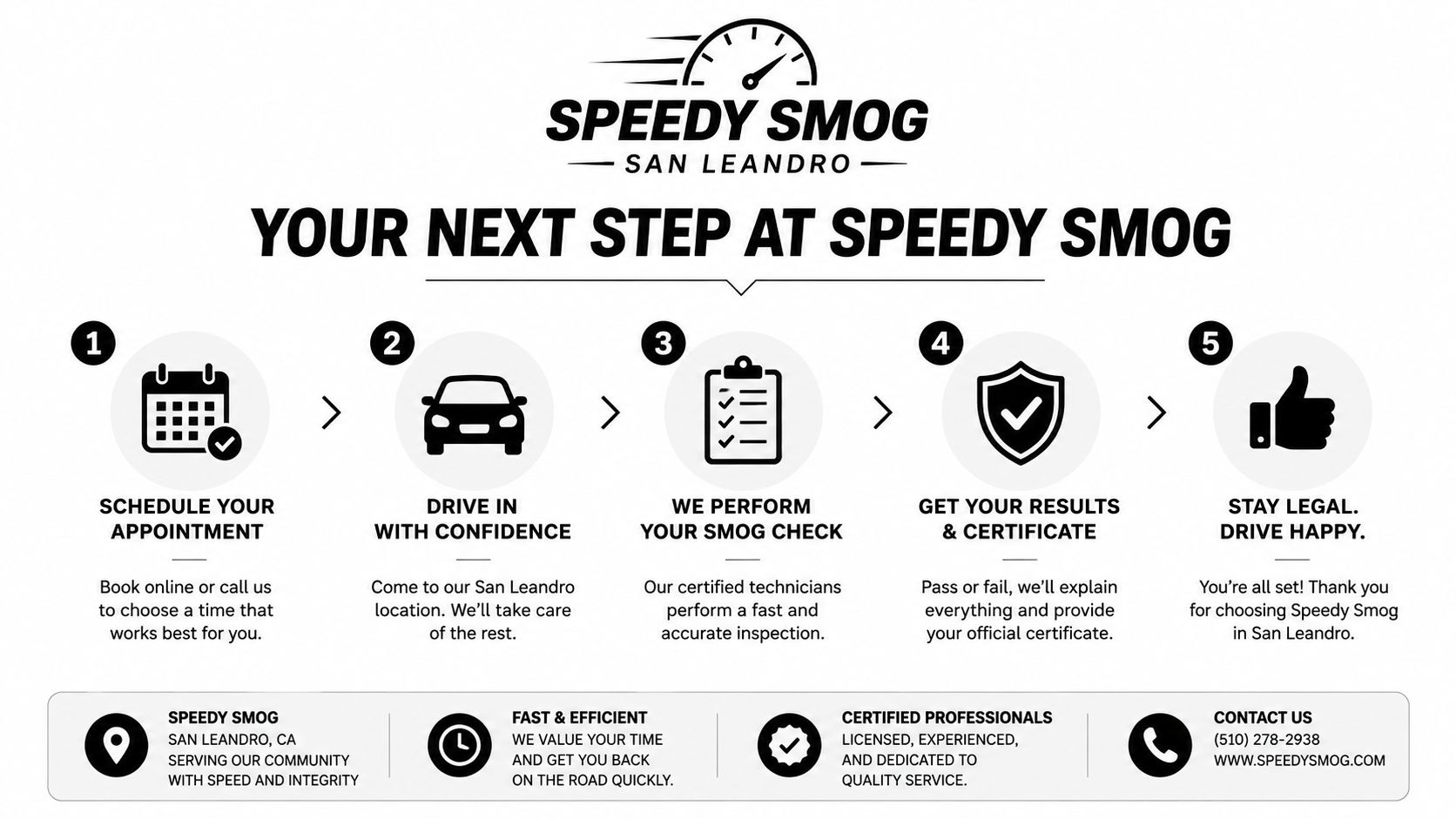
A practical visit sequence looks like this:
- Confirm the assignment: Check whether DMV requires a STAR station.
- Check readiness: Verify the diesel's monitors before booking.
- Bring documents: Carry renewal paperwork and any prior failure report.
- Complete the inspection: Let the technician select the required OBD, visual, or opacity procedure.
- Handle the result: If it passes, confirm electronic submission. If it fails, use the report to target the repair.
Call to confirm hours, ask whether your diesel needs STAR certification, and reserve a same-week appointment if your DMV deadline is close. That small amount of planning is more useful than arriving with a warm engine and hoping the tailpipe looks clean.
Speedy Smog provides diesel emissions testing and STAR-certified smog checks for San Leandro and East Bay drivers who need accurate DMV compliance. Visit Speedy Smog to confirm the correct inspection, check availability, and book your appointment before the renewal deadline.
Your registration renewal notice shows up, you open it, and there it is: Smog Check Required. For a lot of California drivers, that one line creates more stress than it should. People wonder if they need the test before they pay DMV fees, whether the shop sends the results in for them, and why the DMV website sometimes still says incomplete even after a pass.
The good news is the process is usually straightforward once you handle it in the right order. Most problems come from timing mistakes, not from the smog test itself. Drivers wait too long, test too early, or assume a paid renewal means the registration is finished when it isn't.
This guide is built around what works for a smooth smog check registration renewal. It focuses on sequence, deadlines, and the practical details that keep you legal and keep the DMV from kicking your renewal into limbo.
Table of Contents
- Your DMV Renewal Notice Arrived Now What
- Decoding Your DMV Notice When a Smog Check Is Required
- Finding a Great Smog Station and Preparing Your Vehicle
- The Smog Test Process What to Expect at the Station
- After the Test Navigating Pass or Fail Scenarios
- FAQ Smog Checks for Special Situations
Your DMV Renewal Notice Arrived Now What
The envelope shows up, you spot the word “smog,” and the stress usually starts right there. The part that trips drivers up is not the test itself. It is the order of the steps. Get that right, and smog check registration renewal is usually routine.
Start with the notice. Read every line before you pay anything, book anything, or assume you already know what DMV wants. If the notice calls for a smog check, build your plan around the due date and leave yourself a little room for the DMV system to catch up after the test.
Handle timing before you handle the test
Here's the shop-floor version. If your registration deadline is close, pay the DMV renewal fee on time to avoid late penalties, then finish the smog requirement as soon as possible. A lot of drivers assume the payment alone finishes the renewal. It does not. DMV still needs a passing smog result sent electronically before it will complete registration and issue the sticker.
That timing detail matters more than people expect.
A passing result does not always show up in DMV records the minute you leave the station. In real cases, the electronic update can take 24 to 48 hours. That is why waiting until the last day creates avoidable panic, even if the car passes.
Use this order
- Read the renewal notice fully. Confirm whether a smog check is being requested.
- Check the due date right away. That date controls every other decision.
- Pay the renewal fee on time if the deadline is close. That helps you avoid penalties while you finish the smog portion.
- Schedule the test with a little cushion. Give yourself time in case the car needs a retest or the DMV update is not immediate.
- Confirm DMV received the result. If you passed today, give the system a day or two before assuming something went wrong.
If you are not sure whether the notice requirement makes sense for your vehicle, this plain-English guide to California smog check rules can help you sort that out fast.
Treat it as a sequence, not one errand. That is the easiest way to avoid late fees, last-minute surprises, and the “I passed, so why don't I have my sticker yet?” phone call.
Decoding Your DMV Notice When a Smog Check Is Required
The first question isn't where to test. It's whether your vehicle needs a test at all.
California's basic rule is that the biennial smog check requirement applies to gas-powered vehicles that are 8 model years or older and diesel vehicles from 1998 onward weighing 14,000 pounds or less, and the smog certificate is valid for exactly 90 days from the test date according to this California smog requirement summary.
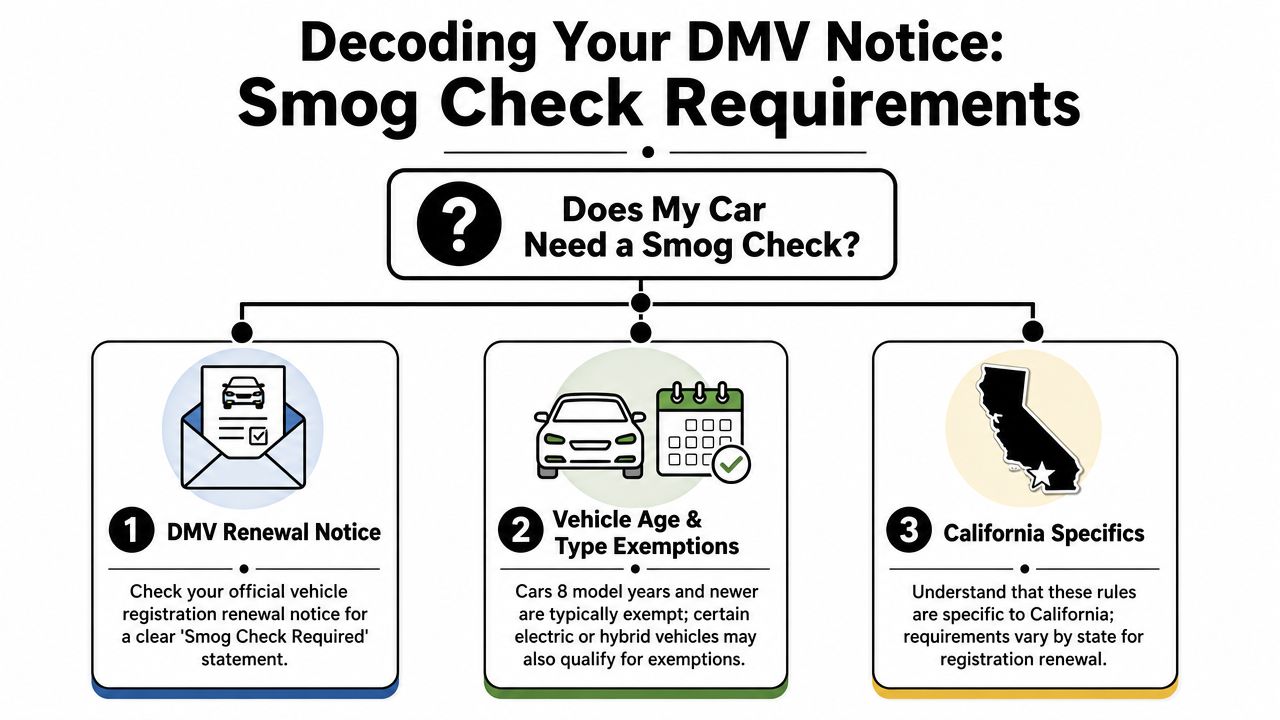
Vehicles that usually need a smog check
If your renewal notice says smog is required, it usually lines up with one of these situations:
- Older gasoline vehicle: Your car has aged into the biennial testing cycle.
- Eligible diesel vehicle: Certain diesel vehicles also fall under California testing rules.
- Ownership transfer: A sale can trigger a smog requirement even when a driver is used to thinking only about renewal cycles.
If you want a plain-English breakdown of eligibility categories, this guide to California smog check rules is a useful reference.
Common exemptions that confuse drivers
A lot of drivers get tripped up because they hear half a rule from a friend and assume it applies to them. California has exemptions, but they're specific.
- Newer gasoline vehicles: Gasoline vehicles less than 8 years old are generally exempt from the biennial smog cycle, though they must pay a smog abatement fee.
- Electric vehicles: These are exempt.
- Motorcycles: These are exempt.
- Pre-1976 classics: Older collector vehicles in that category are exempt from the standard smog program.
The easiest mistake is assuming “newer car” means no smog issue at all. It may mean no biennial inspection, but not that every registration detail disappears.
What a STAR notice means
Some renewal notices specify a STAR station. Drivers often read that like it means their car is in trouble. Usually it just means the DMV requires the inspection to be performed at a station that meets STAR program standards.
That's an administrative requirement, not an accusation. If your notice says STAR, go to a STAR-certified shop and you've handled that part correctly.
If your notice says STAR required, don't overthink it. The important part is choosing the right kind of station the first time.
Finding a Great Smog Station and Preparing Your Vehicle
A smooth smog visit starts before you pull into the bay. The best shops make the process easier, but drivers still help themselves by arriving with a vehicle that's ready to be tested and with the basics already in hand.
The wrong approach is rushing in with a glowing warning light, a cold engine, and no clue whether the shop can perform the kind of inspection your notice requires. That's where a quick checklist pays off.
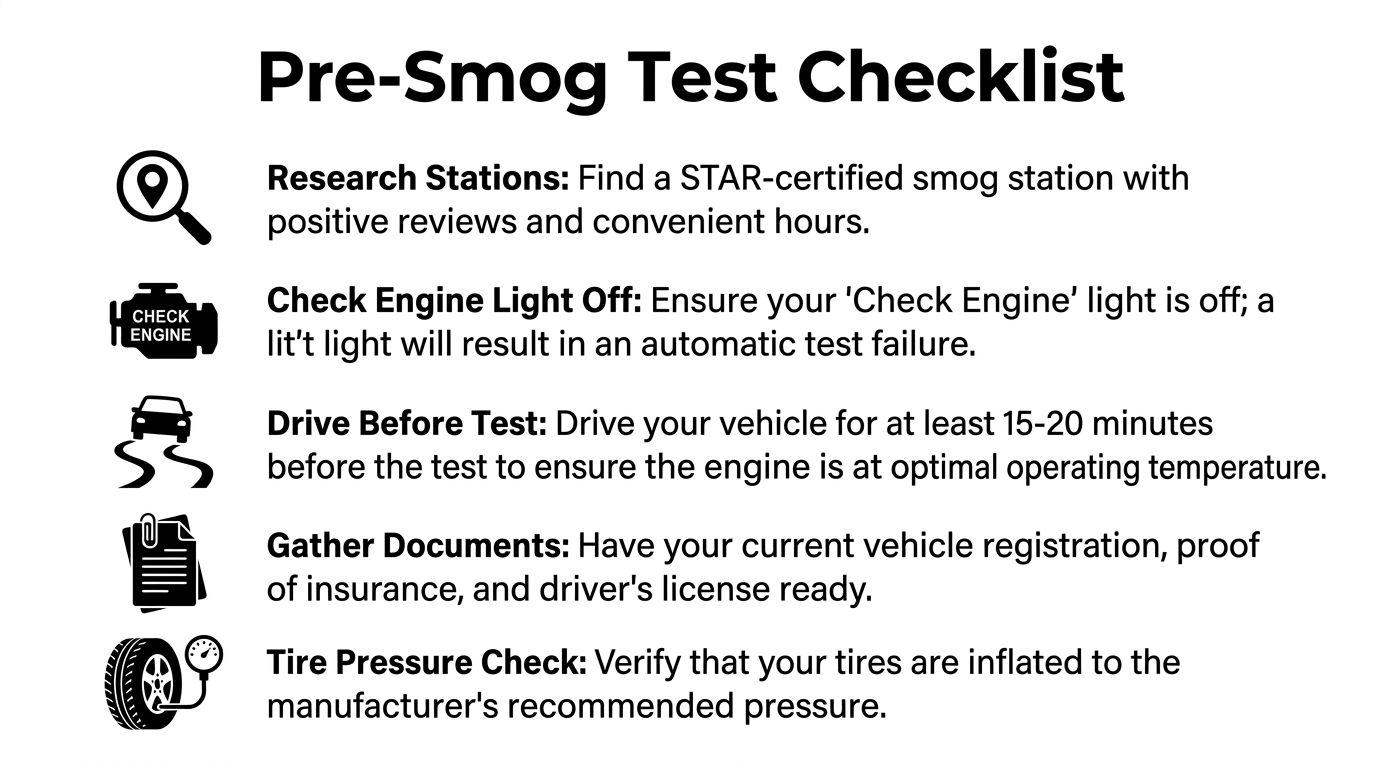
A practical pre-test checklist
Before heading to the station, do these simple things:
- Check the dashboard first. If the Check Engine light is on, don't assume it will “probably pass anyway.” That light usually means you need diagnosis before testing.
- Drive the car first. A warmed-up vehicle tends to make the visit smoother than one that's been sitting all day.
- Bring your paperwork. Having your registration and driver details handy saves time at check-in.
- Choose the right station type. If your notice says STAR required, the station must be able to perform that inspection.
- Look for transparent pricing. Honest shops explain their testing fee clearly instead of surprising you at the counter.
For drivers who want a clear explanation of what makes a station different, this overview of what a smog STAR station is helps separate marketing talk from actual program requirements.
What to look for in the shop itself
Not every station runs the same way. A good shop usually shows it in small details:
| What to check | Why it matters |
|---|---|
| Clean check-in process | Less confusion and fewer delays |
| Clear answers about STAR testing | Helps you avoid a wasted trip |
| Comfortable waiting area | Makes the errand less miserable |
| Straight pricing | Reduces last-minute surprises |
| Efficient workflow | Gets you in and out without chaos |
A fast shop isn't just one that works quickly under the hood. It's one that knows how to move drivers through the paperwork, inspection, and reporting process without creating confusion.
What does not help
Drivers sometimes try shortcuts that don't improve their odds. Showing up at a random station because it's nearby, ignoring a warning light, or waiting until the registration is nearly expired all make the process harder.
The best results usually come from basic discipline. Pick a qualified station, arrive prepared, and leave yourself enough time to solve a problem if the vehicle doesn't pass on the first attempt.
The Smog Test Process What to Expect at the Station
For many people, the most stressful part is the unknown. In reality, the visit is usually routine. You arrive, check in, hand over the vehicle details, and the technician takes it from there.
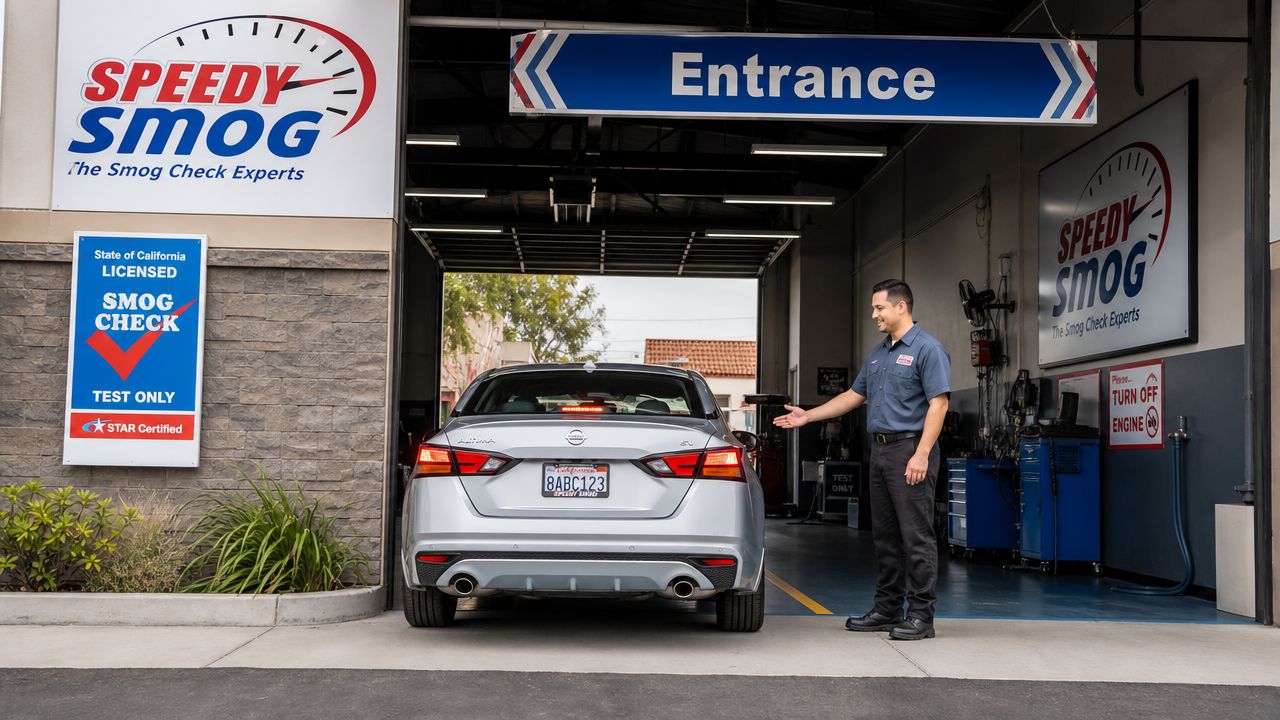
The station then performs the inspection required for your vehicle. Depending on the car, that can include a visual check, functional checks, and emissions-related data review. For most drivers, the experience feels a lot less dramatic than they expected.
What the appointment usually feels like
A well-run station keeps things simple. The technician confirms the vehicle information, explains anything unusual if your notice has special requirements, and gets the test moving. You wait while the inspection is completed.
Some drivers like knowing approximately how long they'll be there before they go. If that's you, this page on how long a smog check takes gives a practical sense of timing.
A smog appointment should feel organized, not mysterious. If the shop can't explain the process clearly, that's usually a bad sign.
What happens after a pass
One of the most important pieces of the smog check registration renewal process happens after the test bay work is done. At a STAR Certified station, the passing result is transmitted electronically to the DMV immediately, and the $8.25 certificate fee is a fixed pass-through charge that shops cannot mark up, as explained in these STAR station FAQ details.
That matters because you do not need to carry a paper certificate from office to office to finish the process. The result goes into the system electronically.
Here's a quick visual overview of the inspection experience:
One shortcut that never works
Some drivers ask if they can get tested outside California when renewal time is tight. For California registration renewal, that doesn't work. An out-of-state smog inspection is not accepted for this purpose.
That's one of those details people often learn the hard way. If California requires a California-recognized result, save yourself the wasted trip and handle it through the proper channel.
After the Test Navigating Pass or Fail Scenarios
You leave the station, the test is over, and the next step depends on one thing. Did the car pass, or did it fail? That sounds straightforward, but timing mistakes in this phase cost drivers the most time and stress.
A pass means you are close. A fail means you need a repair plan. In both cases, the smartest move is to handle the DMV side in the right order instead of assuming everything updates the same day.
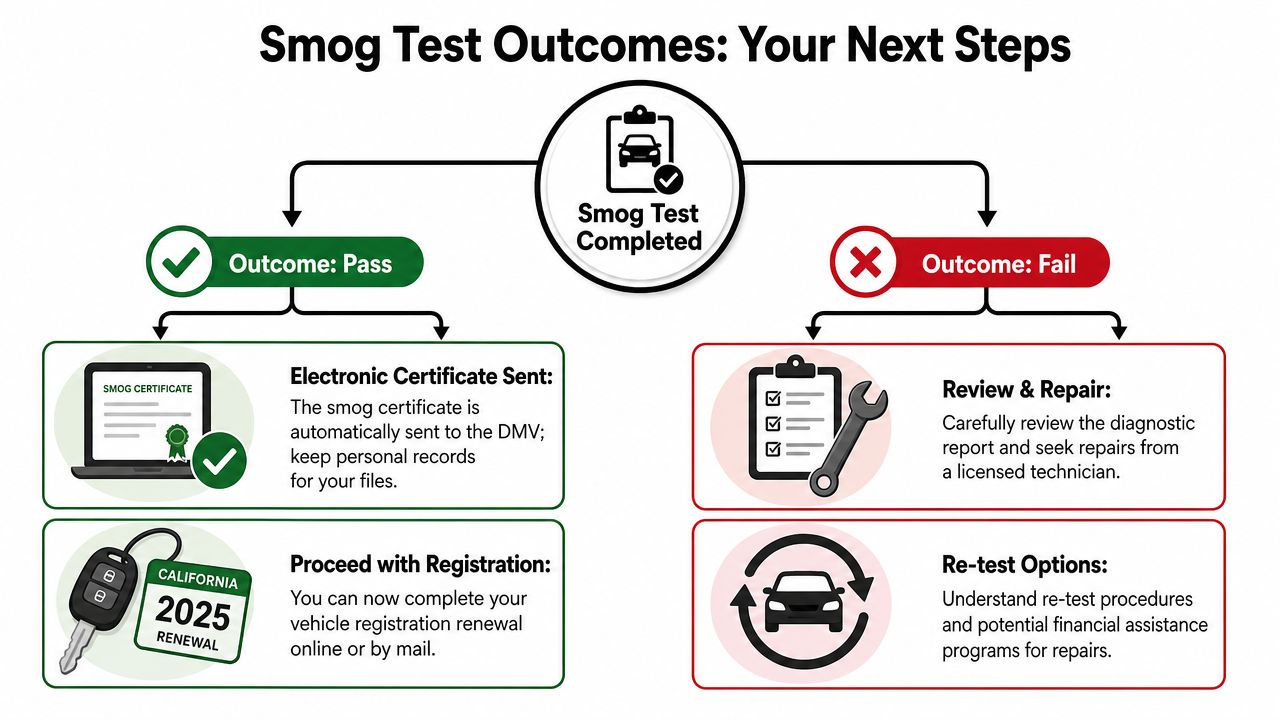
If your vehicle passes
A passing test result gets you through the emissions requirement, but your renewal is not finished until DMV records catch up and your fees are handled. Drivers get tripped up here all the time because the shop sends the result electronically, but the DMV side may not show complete right away.
Use this pass checklist:
- Pay the DMV renewal fee by the due date if you have not already. That helps you avoid late penalties, even if the registration record has not updated yet.
- Wait before assuming there is a problem. A passing smog result often takes about 24 to 48 hours to appear correctly in DMV systems on the customer side.
- Keep the receipt and test paperwork. If there is a delay, that paperwork gives you the test date, station information, and proof that the inspection was completed.
- Check your renewal status after the sync window. If the DMV still does not show the pass after that, then it makes sense to call and ask questions.
That timing matters. I have seen drivers pay attention to the test result but forget the fee deadline, and I have seen the opposite too. They pay DMV right away, then panic a few hours later because the smog still shows as missing. In many cases, the system just has not caught up yet.
If your vehicle fails
A failed test is a repair problem, not a personal failure. The report tells you where to start, and the worst approach is guessing.
Start with the inspection report. Then make decisions in this order:
- Read the failure details carefully. Look at the actual reason for failure before approving repairs.
- Choose a shop that can diagnose emissions faults, not just replace parts. Misfires, monitor issues, EVAP leaks, and catalyst faults can overlap. Random part swapping burns money fast.
- Finish the repair before retesting. If the car needs a drive cycle or monitor reset procedure, make sure that is done too.
- Keep an eye on your registration due date. Even while you sort out repairs, the DMV clock keeps running.
The expensive mistake is rushing into repairs without a diagnosis, then rushing back for a retest before the car is ready.
California also has a Consumer Assistance Program for some motorists dealing with smog-related repair costs. If the repair estimate is getting painful, ask about that option early rather than after you have already spent money.
The timing rule people miss
The practical order is what saves headaches. Pay your DMV renewal fee on time if the deadline is coming up, even if the car has not passed yet. Then finish the smog side. The DMV will not issue the sticker until it receives a passing result, but paying on time can keep you from stacking late penalties on top of repair costs.
There is another timing issue many guides skip. Smog results are not always visible in DMV records the instant you leave the shop. A short delay is normal, and that is why same-day panic calls happen.
The certificate validity window still matters too, as noted earlier. Testing too early can box you in if other renewal steps drag out. Testing too late can leave no room for repairs, monitor resets, or a DMV sync delay. The sweet spot is close enough to your renewal date that the result stays useful, but early enough to fix a problem without a last-minute scramble.
When you still need to drive
If the registration date is closing in and the smog issue is still unresolved, ask the DMV whether you qualify for a Temporary Operating Permit. For some drivers, that buys enough legal driving time to finish repairs, retest properly, and avoid making rushed decisions just to keep the car on the road.
FAQ Smog Checks for Special Situations
My car is out of state during renewal
This catches people by surprise all the time. If the car is outside California when your renewal comes up, an out-of-state emissions test usually does not satisfy California's smog requirement for registration renewal.
The fix is paperwork, and paperwork takes time. Depending on your situation, the DMV may want a statement of facts or another form tied to a temporary exemption. Start that process early, especially if your registration deadline is close. Waiting until the last few days is how a routine exception turns into late fees, extra calls, and a parked car.
My notice says STAR Station Required
A STAR requirement sounds more serious than it usually is. In practice, it means the DMV wants the inspection done at a STAR-certified station.
It does not mean the car already failed in the system. It means you need to choose the right shop the first time.
Call ahead and ask one direct question: "Are you currently licensed as a STAR station, and can you perform my test today?" That 30-second check saves a wasted trip.
I passed, so why does the DMV still show incomplete
This is one of the biggest stress points in renewal season. You pass, you pay, you check your DMV status that night, and it still shows incomplete.
A passing result is sent electronically from the station, but the DMV side does not always update right away. California's Bureau of Automotive Repair explains the 90-day validity window on a passing certificate at California's Bureau of Automotive Repair smog check page. In real shop-to-DMV timing, a short delay before the DMV record catches up is normal.
If you passed today and the DMV website has not updated yet, give it a little time before assuming something went wrong. I tell customers to avoid same-day panic unless the registration deadline is immediate and there is another problem in play, like a name mismatch or unpaid renewal fees.
This is also why timing matters. Test early enough to leave room for a DMV sync delay, but not so early that you burn too much of that 90-day window.
What if I'm selling the car
Sales catch owners off guard more often than renewals do. A car can be fine on its regular registration cycle and still need a smog inspection for transfer.
In California, vehicles 4 years old or older generally need a smog test for a title transfer. Sellers who wait until a buyer is ready to sign often end up scrambling for an appointment, especially if the notice also points them to a STAR station.
Check the requirement before you list the car. It is much easier to sell a car when the smog side is already handled.
If you're in the East Bay and want a clean, straightforward smog visit, Speedy Smog in San Leandro is a practical choice. They're a STAR Certified station with fast service, transparent pricing, and a comfortable waiting area, which makes smog check registration renewal a lot less painful when you just want to get certified and get back on the road.