
Your registration renewal is due, and you need to find emissions closest to me — fast. Every year, millions of California drivers face the same situation: a DMV notice arrives, and suddenly finding the closest emissions testing station becomes urgent.
You need a station that's convenient, quick, and won't make you wait half a day. This guide shows you exactly how to find the closest emissions testing facility near you, what to bring, what to expect, and how to get in and out quickly.
Emissions Testing Locations Near Me
Finding emissions closest to me starts with knowing what type of station you need. California's smog check program requires most vehicles to visit a STAR-certified station — not just any shop with a tailpipe machine.
Here's why that matters: if your vehicle's registration renewal notice says "Smog Check required at a STAR station," a non-STAR shop cannot legally complete your test. You'd drive there, wait, and leave empty-handed.
What is a STAR-certified station?
STAR is a designation from the California Bureau of Automotive Repair (BAR). Stations earn STAR status by meeting higher performance standards — lower failure rates, accurate testing equipment, and consistent compliance with state protocols. The California Bureau of Automotive Repair maintains a searchable database of all licensed smog check stations, including STAR-certified locations.
Types of emissions testing facilities
Smog Check Station Types in California
| Station Type | Who Needs It | What It Does | Notes |
|---|---|---|---|
| STAR Station | Vehicles flagged by DMV for STAR-only testing | Test and certificate issuance | Required for directed vehicles |
| Test-Only Station | Vehicles referred by BAR for referee testing | Test only — no repairs | Cannot perform repairs on-site |
| Test-and-Repair Station | Most standard vehicles | Test plus repairs if needed | Convenient if your car might fail |
| Gold Shield Station | Collector vehicles, certain exemptions | Specialized testing | Not required for most drivers |
Most drivers need either a STAR station or a standard test-and-repair station. Check your DMV renewal notice — it will tell you exactly which type applies to your vehicle.
How to Find the Closest Emissions Testing Center
The fastest way to locate emissions closest to me is through the official California BAR station locator at bar.ca.gov. Enter your zip code, select station type, and the tool returns a list sorted by distance with addresses, phone numbers, and hours.
Three reliable methods to find the closest emissions testing facility:
-
BAR's official locator — Go to bar.ca.gov, click "Find a Smog Station," enter your zip code. Filter by STAR-certified if your renewal notice requires it. This is the most accurate source because it reflects current license status.
-
Google Maps search — Type "smog check near me" or "emissions test near me" into Google Maps. Look for stations with "STAR" in the name or description. Call ahead to confirm STAR status before driving over.
-
Your DMV renewal notice — Some notices include a list of nearby STAR stations pre-printed based on your registered address. Check the back of your notice before searching online.
Key Insight: The BAR locator is the only source that shows real-time license status. A station that appears on Google Maps may have had its license suspended. Always verify through BAR if you're unsure.
What to Expect During Emissions Testing
An emissions test — also called a smog check — typically takes 15 to 30 minutes from the moment you pull in. Here's the sequence:
-
Check-in: You hand over your vehicle registration and ID. The technician enters your VIN and plate number into the state system.
-
Visual inspection: The technician checks for obvious tampering — missing catalytic converter, disconnected vacuum lines, visible exhaust leaks. This takes about two minutes.
-
OBD-II scan (1996 and newer vehicles): A scanner plugs into your car's diagnostic port under the dashboard. It reads emissions-related trouble codes and checks that all onboard monitors have completed their readiness cycles. If your check engine light is on, you will fail this portion.
-
Tailpipe test (older vehicles, typically pre-1996): A probe is inserted into the exhaust pipe while the engine runs at different RPM levels. The machine measures hydrocarbons, carbon monoxide, and oxides of nitrogen.
-
Certificate issuance: If you pass, the station transmits results directly to the DMV. You receive a printed certificate. No separate paperwork is needed — the DMV updates your record automatically within a few days.
According to the California BAR, approximately 85% of vehicles pass their smog check on the first attempt. If your vehicle fails, the station provides a diagnostic report showing exactly which monitors or readings were out of spec.
Required Documents and Vehicle Information
Showing up with the right documents saves time. Here's what to bring when you visit the closest emissions testing station:
- Vehicle registration card — The technician needs your current registration to enter your information into the state system.
- Government-issued ID — A driver's license or state ID confirms you are the registered owner or authorized representative.
- DMV renewal notice (if applicable) — If your notice specifies a STAR-only test, bring it. Some stations ask to see it to confirm the requirement.
- Cash or card — Most stations accept both, but call ahead if you prefer a specific payment method.
You do not need to bring your title, insurance card, or any prior smog certificates. The BAR system has your vehicle's history on file.
Before you go — make sure your vehicle is ready:
- The check engine light should be off. If it's on, fix the underlying issue first.
- Don't disconnect your battery within two weeks of the test. Disconnecting resets the OBD-II monitors, and the car will fail for incomplete readiness — even if nothing is wrong with it.
- Drive the vehicle for at least 50 to 100 miles after any battery reset or repair before testing. This allows the monitors to complete their cycles.
- Make sure the gas cap is tight. A loose cap triggers an evaporative emissions monitor failure.
Emissions Testing Costs and Fees
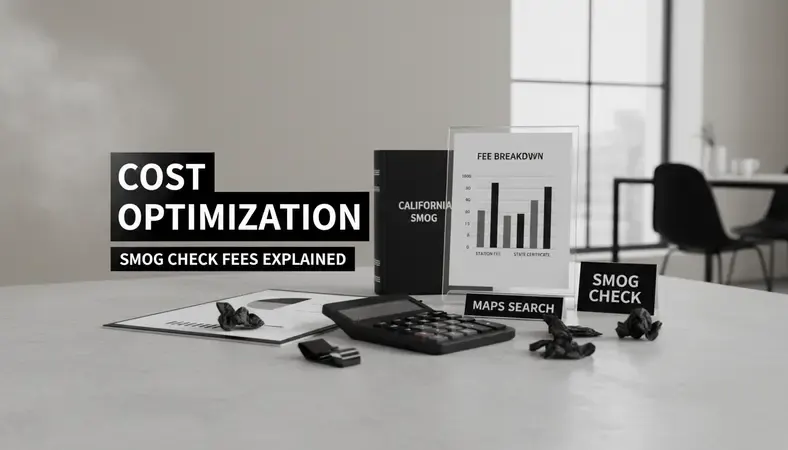
California smog check fees have two components: the station's testing fee and the state certificate fee.
- Station testing fee: Varies by station, typically ranging from $29 to $89 depending on location and vehicle type. Diesel vehicles and those requiring a tailpipe test may cost more.
- State certificate fee: $8.25 per test, paid to the BAR through the station. This is fixed statewide.
Certain vehicles qualify for the Consumer Assistance Program (CAP), which provides repair assistance up to $500 or a retirement incentive up to $1,500 for vehicles that fail smog and cannot be economically repaired. The California Consumer Assistance Program is administered by the BAR and income eligibility applies.
Cost comparison by vehicle type:
| Vehicle Type | Typical Station Fee | State Certificate Fee | Notes |
|---|---|---|---|
| Standard gasoline (1996+) | $29–$55 | $8.25 | OBD-II test only |
| Pre-1996 gasoline | $45–$75 | $8.25 | Tailpipe test required |
| Diesel | $55–$89 | $8.25 | Different probe equipment |
| Hybrid | $29–$55 | $8.25 | OBD-II test, same as standard |
Prices vary by county and station. The Bay Area tends to run slightly higher than inland areas. Always call ahead if cost is a factor — stations are required to post their fees, and most will quote you over the phone.
Hours and Appointment Availability
Most emissions testing stations operate six days a week, with Monday through Saturday being standard. Sunday hours are less common but exist at some locations. Typical hours run from 8:00 AM to 5:00 PM, though some stations open earlier or close later.
Walk-ins vs. appointments:
The majority of smog check stations accept walk-ins. You pull in, wait your turn, and get tested. Wait times vary — early morning on weekdays tends to be fastest, while Saturday mornings can back up quickly.
Some stations now offer online scheduling, which lets you reserve a specific time slot. This is worth using if you have a tight schedule or if the station you want is known to be busy. Call the station directly or check their website to see if online booking is available.
When to go for the shortest wait:
* Tuesday through Thursday mornings are typically the least busy
* Avoid the last week of the month — that's when most registration renewals are due, and stations get crowded
* Early morning (first 30 minutes after opening) is almost always faster than midday
How to Schedule Your Test Online
Scheduling emissions closest to me online is straightforward at stations that offer it. Here's the process:
- Find a station using the BAR locator at bar.ca.gov or Google Maps.
- Visit the station's website or call to check if online booking is available.
- Select your date and time — most online systems show available slots in real time.
- Enter your vehicle information — year, make, model, and license plate number. Some systems also ask for your VIN.
- Confirm your appointment — you'll receive a confirmation email or text. Save it in case you need to reschedule.
- Arrive 5 minutes early — bring your registration, ID, and payment.
If a station doesn't offer online scheduling, a phone call takes about two minutes. Most stations can fit you in the same day if you call before 10:00 AM.
Common Questions About Emissions Testing
How do I know if my vehicle needs a smog check?
California requires smog checks every two years for most gasoline-powered vehicles model year 1976 and newer. Your DMV renewal notice will state whether a smog check is required for this renewal cycle. Vehicles less than eight model years old are currently exempt from biennial testing under California's rolling exemption — though this exemption has been subject to legislative changes. Check your specific notice rather than relying on general rules.
What happens if I fail my emissions test?
A failure means one or more components didn't meet California's standards. The station provides a Vehicle Inspection Report detailing exactly what failed. You have two options: repair the vehicle and retest, or apply for the Consumer Assistance Program if repair costs are prohibitive. Some stations offer a free retest within 30 days if repairs are done at the same facility — ask before you leave.
Can I drive my car to the closest emissions testing station if the check engine light is on?
Yes, you can drive there — but you will fail the test. California's OBD-II protocol automatically fails any vehicle with an illuminated Malfunction Indicator Lamp (check engine light). Get the underlying code read first (most auto parts stores do this for free), address the issue, clear the code, and drive 50 to 100 miles before testing.
Does the emissions test affect my car in any way?
No. The OBD-II scan is entirely non-invasive — the technician plugs a reader into a port that's already there for diagnostic purposes. The tailpipe test on older vehicles uses a probe that doesn't contact any mechanical components. The test itself causes no wear, no changes to your vehicle's settings, and no lasting effects.
How long does my smog certificate stay valid?
A passed smog certificate is valid for 90 days from the test date. If you don't renew your registration within that window, you'll need to retest. Most people test and renew in the same week to avoid this situation.
What This Means for You
Finding emissions closest to me doesn't have to eat up your afternoon. Use the BAR locator to confirm STAR status, arrive with your registration and a cold engine that's already warmed up, and most vehicles are in and out in under 20 minutes.
Book your smog check at Speedy Smog in San Leandro — STAR certified, most vehicles done in under 15 minutes, open 6 days a week. Save $25 and skip the wait by calling (510) 614-7664. Ready to get started? Visit Speedy Smog to learn more.
Your registration renewal is due, and you need a smog check — fast. The last thing you want is to waste half a day driving to a station that's out of your way, only to wait in a long line.
Finding the closest emissions testing station to you takes about two minutes when you know where to look. This guide covers exactly how to locate one, what to bring, what the test costs, and what happens when you pull in.
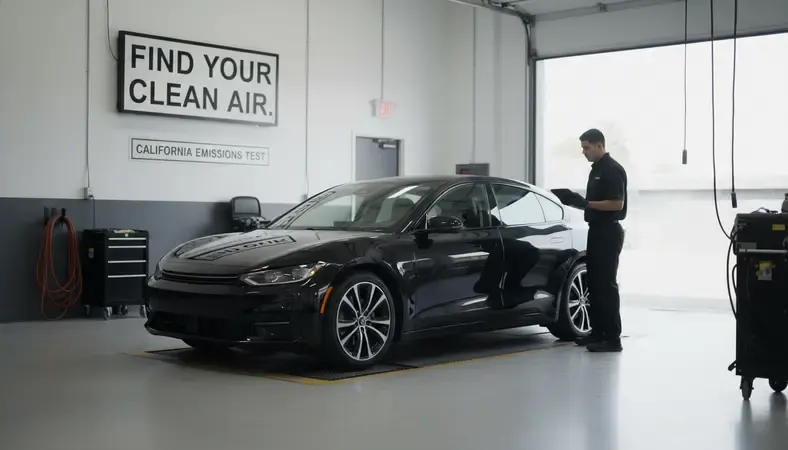
Find Emissions Testing Stations Near Me
The fastest way to find the closest emissions testing station is through Google Maps. Type "emissions testing near me" or "smog check near me" into the search bar and you'll see a list of stations with distances, hours, ratings, and phone numbers — all in under 30 seconds.
Here are the most reliable methods for locating a closest emissions testing station:
- Google Maps search: Type "smog check near me" or "emissions test near me." Filter results by distance, rating, or hours open.
- California DMV website: California's Bureau of Automotive Repair (BAR) maintains a searchable database of licensed smog check stations. You can search by ZIP code and filter for STAR-certified stations.
- Your registration renewal notice: California DMV renewal notices often list nearby smog stations or direct you to the BAR website.
- Gas stations and auto shops: Many full-service auto shops and dedicated smog stations are located near major intersections. A quick drive down a commercial street often turns up a closest emissions testing station within a mile or two.
Key Insight: In California, only BAR-licensed stations can perform a legally valid smog check. Always confirm the station is licensed before you drive over — an unlicensed test won't satisfy the DMV.
If your vehicle has been flagged as requiring a STAR-certified test (usually older vehicles or those with prior failures), you can't go to just any closest emissions testing station. You need one with STAR certification specifically. The BAR station search lets you filter for this.
How to Locate Your Closest Testing Center
Once you've identified a few candidates for the closest emissions testing station, narrowing down the right one comes down to a few practical factors.
Use the BAR Station Finder
The California Bureau of Automotive Repair's station locator at bar.ca.gov is the most accurate tool for this. Enter your ZIP code, and it returns a list of licensed stations sorted by proximity. Each listing shows:
- Station name and address
- Phone number
- STAR certification status
- Whether the station performs referee inspections
Check Google Reviews Before You Go
Distance isn't everything. A closest emissions testing station that's half a mile away but has 2-star reviews and reports of long wait times may not be worth the convenience. Look for stations with consistent reviews mentioning fast service and honest results.
Confirm Hours Before Driving Over
Call ahead or check Google's listed hours. Many smog stations close earlier than their posted hours on busy days once they've reached capacity. A quick call saves you a wasted trip.
Hours and Locations of Testing Stations
Most smog check stations in the San Leandro and East Bay area operate Monday through Saturday, typically between 8:00 AM and 5:00 PM. Some high-volume stations open as early as 7:30 AM.
Typical Operating Hours
| Day | Typical Hours | Notes |
|---|---|---|
| Monday – Friday | 8:00 AM – 5:00 PM | Busiest midday; arrive early or late |
| Saturday | 8:00 AM – 4:00 PM | Often fills up by early afternoon |
| Sunday | Closed at most stations | Some exceptions — call ahead |
Weekday mornings before 10:00 AM and late afternoons after 3:00 PM tend to be the least crowded times at any closest emissions testing station. If you can time your visit for those windows, you'll typically get in and out faster.
Speedy Smog in San Leandro is open six days a week, which makes it one of the more accessible options for drivers in the area who need a closest emissions testing station without rearranging their schedule.
What to Bring to Your Emissions Test
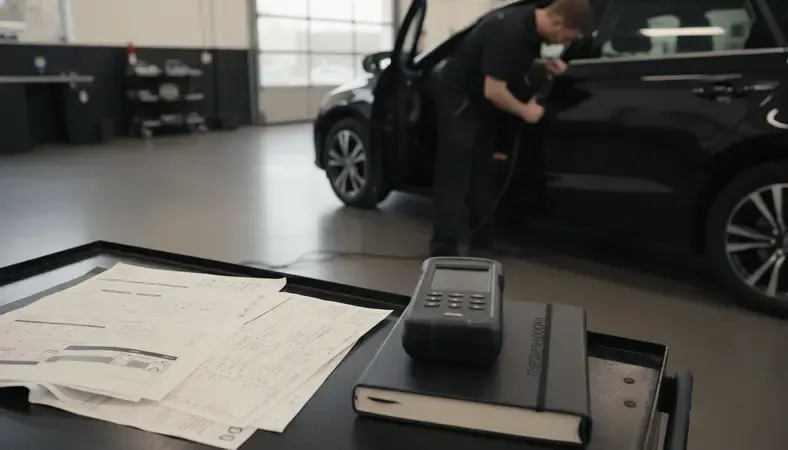
Showing up prepared means you won't get turned away or have to make a second trip. Here's what every closest emissions testing station will need from you:
- Your vehicle: Sounds obvious, but make sure it's been driven for at least 15–20 minutes before arriving. A warm engine produces more accurate emissions readings than a cold one.
- Your vehicle registration or renewal notice: This confirms the test is being run on the correct vehicle and ties the results to your DMV record.
- Payment: Most stations accept cash, debit, and credit cards. Prices vary — see the cost section below.
- Your vehicle identification number (VIN): This is on your registration and on the dashboard near the windshield. The station will verify it.
You do not need an appointment at most smog stations — walk-ins are standard. That said, calling ahead during busy periods (Monday mornings, end-of-month rushes) can save you time.
What Not to Do Before Your Test
A few things can cause a test failure that has nothing to do with your vehicle's actual emissions:
- Don't let the "Check Engine" light come on and then immediately drive to the closest emissions testing station. The light needs to be off and the system needs to complete its readiness monitors — usually after 50–100 miles of normal driving.
- Don't get an oil change right before the test if it resets your OBD-II monitors. Give the car time to complete its self-checks first.
- Don't show up with a nearly empty fuel tank. Some tests require the fuel level to be between ¼ and ¾ full.
How to Schedule an Appointment
Most closest emissions testing stations in California operate on a walk-in basis. You pull in, hand over your keys, and the technician runs the test — no appointment needed.
That said, scheduling an appointment has real advantages:
- Guaranteed wait time: Walk-ins can wait 30–60 minutes during peak periods. An appointment slot means you're next in line when you arrive.
- Avoid peak-day rushes: End-of-month visits spike at every closest emissions testing station because registration renewals cluster around the same dates. Booking ahead sidesteps that.
- Coordination with repairs: If you think your vehicle might fail, scheduling gives you time to get repairs done and then return without a long gap.
To schedule at Speedy Smog, call (510) 614-7664 or visit speedysmogchecksanleandro.com to check availability. Most appointments are confirmed same-day or next-day.
Cost of Emissions Testing
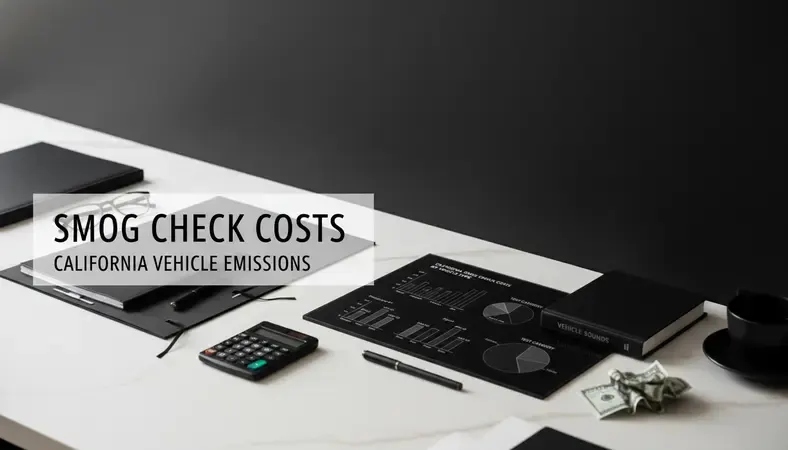
The cost at any closest emissions testing station in California typically falls between $29.95 and $89.95, depending on the station, the type of test required, and whether your vehicle needs a STAR-certified inspection.
California Smog Check Cost Breakdown
| Vehicle Type | Test Type | Typical Cost Range |
|---|---|---|
| 1999 and newer gasoline | OBD-II scan | $29.95 – $59.95 |
| 1995 – 1998 gasoline | Two-speed idle | $39.95 – $69.95 |
| Pre-1976 vehicles | Visual only | Lower cost, varies |
| Diesel vehicles | Visual/opacity | $49.95 – $89.95 |
| STAR-required vehicles | STAR-certified OBD | $49.95 – $79.95 |
A few things affect the final price at any closest emissions testing station:
- STAR certification: STAR-certified tests cost slightly more because of the additional equipment and certification requirements.
- Consumer Assistance Program (CAP): If your vehicle fails and you qualify based on income, California's CAP program can provide up to $500 toward repairs or $1,500 toward a vehicle retirement. Check eligibility at bar.ca.gov/consumer/cap.
- Retest fees: If your vehicle fails and you return within 30 days after repairs, many stations charge a reduced retest fee.
Speedy Smog currently offers a $25 savings — call (510) 614-7664 to confirm current pricing before your visit.
What Happens During the Test
The actual emissions test at any closest emissions testing station takes 10–20 minutes for most vehicles. Here's the sequence:
-
Check-in: The technician takes your registration, confirms your VIN, and logs your vehicle into the BAR reporting system. Every test result is transmitted electronically to the DMV.
-
OBD-II scan (1996 and newer vehicles): The technician plugs a scanner into the diagnostic port under your dashboard. This reads your vehicle's onboard computer for fault codes and checks that all emissions-related systems have completed their self-tests (called "readiness monitors"). If any monitor is incomplete or a fault code is present, the vehicle fails.
-
Visual inspection: The technician checks that your catalytic converter is present, that there are no obvious fuel system leaks, and that the gas cap seals properly.
-
Functional inspection: On some older vehicles, this includes a tailpipe emissions test where actual exhaust gases are measured. On 1996 and newer vehicles, the OBD-II scan replaces this step.
-
Results: Pass or fail is determined immediately. If you pass, the station transmits the results to the DMV electronically — you don't need to mail anything. If you fail, you receive a Vehicle Inspection Report explaining which systems failed and why.
Most vehicles built after 2000 pass on the first visit. According to the California Bureau of Automotive Repair, roughly 85% of vehicles pass their smog check without needing any repairs.
Common Questions About Emissions Testing
How do I know if I need a STAR-certified closest emissions testing station?
Your DMV renewal notice will say "STAR Station Required" if your vehicle needs the higher-level test. This typically applies to vehicles six or more model years old and vehicles that have previously failed a smog check. If your notice doesn't specify STAR, any licensed station will work.
What if I fail at the closest emissions testing station?
A failure isn't the end. You'll receive a Vehicle Inspection Report listing the specific failures. Take that report to a licensed repair shop, get the repairs done, and return to any closest emissions testing station for a retest. If costs are a barrier, California's Consumer Assistance Program may cover a portion of repairs.
Can I use any closest emissions testing station, or does it have to be in my county?
You can use any BAR-licensed smog station in California, regardless of county. The results are transmitted directly to the DMV statewide. There's no requirement to test in the county where your vehicle is registered.
How long does the smog check take?
At a well-run closest emissions testing station, most vehicles are done in 15 minutes or less. Speedy Smog handles most vehicles in under 15 minutes. Older vehicles requiring a two-speed idle test may take slightly longer.
Do electric vehicles need an emissions test?
No. Battery-electric vehicles (BEVs) are exempt from smog check requirements in California. Plug-in hybrid vehicles (PHEVs) are currently subject to the same smog check requirements as gasoline vehicles because they have a combustion engine.
What is the difference between a smog check and an emissions inspection?
These terms refer to the same thing in California. "Smog check" is the colloquial term; "emissions inspection" or "emissions test" is the formal name. Both refer to the California-mandated vehicle emissions testing process required for registration renewal.
The Bottom Line
The closest emissions testing station to you is usually a few minutes away — finding it takes less time than the test itself. Book your smog check at Speedy Smog in San Leandro — STAR certified, most vehicles done in under 15 minutes, open 6 days a week, with $25 in current savings when you call (510) 614-7664. Ready to get started? Visit Speedy Smog to learn more.
If your registration renewal is coming up and you need a smog check, the fastest path forward is finding the nearest emissions testing station — and knowing exactly what to bring, what to expect, and how long it'll take.
Most people searching for the nearest emissions to me just want one thing: get in, get tested, get the certificate, and move on. This guide covers exactly how to find the closest emissions testing facility near you, what happens during the test, and how to schedule it without wasting a trip.
Emissions Testing Locations Near Me
Finding the nearest emissions to me used to mean flipping through a phone book or calling the DMV. Now there are faster options.
How to Find the Closest Emissions Testing Facility
Google maps is the quickest tool. Type "emissions test near me" or "smog check near me" into the search bar. You'll get a map with pins showing every licensed station within driving distance, along with ratings, hours, and phone numbers. Filter by "open now" to avoid a wasted trip.
California's BAR (Bureau of Automotive Repair) runs a free station locator at bar.ca.gov. You can search by ZIP code and filter for STAR-certified stations — which are required for vehicles flagged by the DMV as needing a STAR-certified test. If you're in California and your renewal notice says "STAR station required," this is the tool to use.
For San Leandro and the surrounding East Bay area, Speedy Smog is a STAR-certified station that handles most vehicles in under 15 minutes. You can find location details and schedule directly at speedysmogchecksanleandro.com.
What Makes a Station "Certified"?
Not every smog shop is equal. California's vehicle emissions inspection program divides stations into two tiers:
- Regular test-only or test-and-repair stations — can test most vehicles
- STAR-certified stations — required for vehicles with a DMV-flagged registration or those that have failed a previous test
Your registration renewal notice will tell you which type you need. If it doesn't specify, any licensed station works.
How to Find the Nearest Emissions Testing Station
The closest emissions testing station isn't always the best choice — but it often is, especially when you just need a clean pass on a well-maintained vehicle.
Step-by-Step: Locating the Closest Emissions to Me
-
Check your registration renewal notice first. It tells you whether you need a STAR-certified station. This narrows your search before you start.
-
Search Google Maps or Apple Maps. Use "smog check near me" or "emissions test near me." Sort results by distance or rating. Read a few reviews — a station with a 4.5-star rating and 200+ reviews is generally a safe bet.
-
Verify the station is licensed. In California, you can confirm any station's license status through the BAR website. An unlicensed shop can't legally issue a certificate that the DMV will accept.
-
Call ahead or check online hours. Nothing is more frustrating than arriving at the nearest emissions to me only to find it closed. Most stations post hours on Google — but call if you're going near closing time.
-
Ask about wait times. Some stations accept walk-ins with minimal wait. Others get backed up mid-day. A quick call can save you 45 minutes of sitting in a waiting room.
Closest Emissions Testing Station: Distance vs. Certification
| Factor | Why It Matters | What to Check |
|---|---|---|
| Distance | Less driving, faster turnaround | Google Maps distance filter |
| STAR certification | Required for flagged vehicles | BAR station locator |
| Test-only vs. test-and-repair | Test-only stations can't fix failures | Station listing type |
| Hours | Avoid wasted trips | Google Business profile |
| Walk-in availability | Skip the scheduling delay | Call ahead |
The closest emissions testing facility that's also STAR-certified and open when you need it is the right answer — not just the one with the shortest drive.
What to Expect at Your Emissions Test
The emissions test itself is straightforward. Most vehicles are in and out in 15 minutes or less. Here's what actually happens.
The Testing Process at a Closest Emissions Testing Station
When you pull in, a technician will ask for your vehicle registration and ID. They'll do a quick visual inspection first — checking that your gas cap is secure and your check engine light isn't on. If your check engine light is illuminated, the test will fail immediately. Fix the underlying issue before you go.
The actual test varies by vehicle age:
- 1999 and older vehicles typically get a tailpipe test. The tech inserts a probe into your exhaust to measure hydrocarbons, carbon monoxide, and NOx levels.
- 2000 and newer vehicles get an OBD-II scan. The tech plugs a reader into your car's diagnostic port (usually under the dashboard on the driver's side). The system checks whether your emissions monitors have run and passed.
The test takes about 5–10 minutes once your car is on the equipment. The technician prints your results on the spot. If you pass, you get a certificate and the station reports the result electronically to the DMV — you don't need to mail anything.
Key Insight: If your car has been recently disconnected from its battery (for a jump start, battery replacement, or repair), your OBD-II monitors may not have run yet. Drive 100–200 miles of mixed city and highway driving before going to the nearest emissions to me — this gives the monitors time to complete their cycles.
Hours and Appointment Availability
Most smog check stations are open Monday through Saturday, typically from 8:00 AM to 5:00 PM or 6:00 PM. Sunday hours are less common but not rare — check Google for the specific station.
Walk-In vs. Scheduled Appointments
The majority of emissions testing stations near me accept walk-ins. You don't need an appointment at most shops. That said, there are times when scheduling ahead saves time:
- Monday mornings — often the busiest time of the week as people come in after weekend errands
- End of the month — registration deadlines pile up, and wait times at the closest emissions testing station can double
- Lunch hours — 11:30 AM to 1:30 PM tends to be a peak window
If you want to guarantee a specific time slot, call ahead or check whether the station has online booking. Speedy Smog in San Leandro is open six days a week and handles walk-ins efficiently — most vehicles are done before you finish your coffee.
Required Documents and Vehicle Information
Showing up prepared means no delays. Here's exactly what to bring to the nearest emissions to me.
What You Need to Bring
- Vehicle registration — the current registration card from your glove box
- Government-issued ID — driver's license is standard
- Your vehicle — sounds obvious, but make sure it's warmed up; cold engines can affect OBD-II monitor readiness
- Payment — cash, card, or check depending on the station
What the Station Checks
The technician will record your vehicle's VIN (Vehicle Identification Number), odometer reading, license plate number, and make/model/year. This information links your test result to your specific vehicle in the DMV's system.
If you're bringing a vehicle that isn't registered in your name — a car you're buying, a family member's vehicle — bring whatever documentation confirms you have authorization to test it. Most stations will test any vehicle brought in, but having paperwork avoids questions.
Emissions Test Costs and Fees
Smog check pricing in California is regulated but not fixed. Stations set their own prices within a general market range. You'll typically see two components:
- The test fee — what the station charges for running the test
- The state certificate fee — a mandatory $8.25 fee paid to the state of California for every test
Some stations advertise a combined price. Others list them separately. When you're comparing the nearest emissions to me options, make sure you're comparing total cost — test fee plus the state fee.
California also has a Consumer Assistance Program (CAP) that provides financial assistance for low-income vehicle owners who fail a smog test. If your vehicle fails and repair costs are high, CAP can cover up to $500 in repairs or offer a retirement option for older vehicles that can't pass.
Speedy Smog offers a $25 savings for customers — call (510) 614-7664 for current pricing before you come in.
How to Schedule Your Emissions Test Online
Online scheduling for the nearest emissions to me depends on the station. Not every shop has a booking system, but the ones that do make it easy.
Booking Your Test
-
Find the station's website or Google Business profile. Many stations have a "Book Appointment" button directly in their Google listing.
-
Select your date and time. Most online booking systems show real-time availability, so you pick a slot that works and confirm it immediately.
-
Enter your vehicle information. Year, make, model, and sometimes VIN. This lets the station prep for your specific vehicle type.
-
Confirm with a phone number or email. You'll get a reminder — usually a text or email — the day before.
-
Show up on time. Stations typically hold appointment slots for 10–15 minutes. If you're running late, call ahead.
For Speedy Smog in San Leandro, you can visit speedysmogchecksanleandro.com to get details on scheduling, or call (510) 614-7664 to book directly. Walk-ins are also welcome — no appointment needed for most vehicles.
Common Questions About Nearest Emissions Testing
How do I know if my car needs an emissions test?
California requires a smog check every two years for most vehicles. Your DMV registration renewal notice will indicate whether a smog check is required before you can renew. Vehicles model year 1975 and older, diesel vehicles 1997 and older, electric vehicles, and motorcycles are generally exempt. If you're unsure, check the California DMV smog exemptions page.
What happens if I fail the emissions test at the nearest station?
A failed test means the station issues a certificate of non-compliance rather than a passing certificate. You have 30 days to repair the vehicle and retest. Some repairs are covered under California's Consumer Assistance Program. The retest fee is often reduced or waived at the same station within a set period — ask the station about their retest policy before you leave.
Can I go to any smog station, or does it have to be the closest one?
You can go to any licensed smog station in California — distance doesn't restrict your options. The only restriction is whether you need a STAR-certified station. If your DMV notice requires STAR certification, you must go to a STAR-certified location. Otherwise, any licensed station works, including the closest emissions testing facility to your home or workplace.
How long does an emissions test take?
Most tests take 15–20 minutes from the time you pull in. The actual testing equipment runs for about 5–10 minutes. The rest is paperwork, visual inspection, and printing your certificate. Stations with high volume may have a short wait before they get to your vehicle — calling ahead or scheduling an appointment eliminates that variable.
Does the nearest emissions station report results to the DMV automatically?
Yes. Every licensed California smog station is connected to the BAR's electronic reporting system. When your vehicle passes, the station submits the result directly to the DMV — you don't mail anything. The DMV updates your registration record, and your renewal sticker arrives by mail. The whole process is paperless on your end once you have the passing certificate in hand.
Key Takeaways
Finding the nearest emissions to me comes down to three things: confirming whether your vehicle needs a STAR-certified station, checking hours before you go, and bringing your registration and ID. Most tests take under 15 minutes.
Pass your smog check fast at Speedy Smog in San Leandro — STAR certified, most vehicles done in under 15 minutes, open 6 days a week. Save $25 when you call (510) 614-7664 to confirm availability. Ready to get started? Visit Speedy Smog to learn more.
A smog test is required for most vehicles in California — and if you're renewing your registration or buying a used car, you can't skip it. Many drivers dread the process because they don't know what to expect or worry their car might fail.
This guide covers exactly what a smog test checks, when you need one, how to prepare, what happens during the inspection, and what to do if your vehicle doesn't pass.
What Is a Smog Test?
A smog test — sometimes called a smog check or emissions inspection — is a mandatory vehicle inspection that measures the pollutants your car's engine releases into the air. The test verifies that your vehicle's emissions control systems are working correctly and that exhaust output stays within the legal limits set by the California Air Resources Board (CARB).
California's smog check program is one of the strictest in the country. The state has required periodic emissions testing since 1984, and the program has helped reduce smog-forming pollutants by more than 75% compared to pre-program levels, according to the California Air Resources Board. That's a meaningful environmental win — and every registered vehicle in the state contributes to it.
The smog test evaluates three main things:
- Exhaust emissions: Levels of hydrocarbons (HC), carbon monoxide (CO), and oxides of nitrogen (NOx) measured directly from the tailpipe
- OBD-II system check: For vehicles 2000 and newer, the test reads your car's onboard diagnostic computer to confirm all emissions-related monitors have completed and no fault codes are present
- Visual and functional inspection: A technician checks that emissions equipment — the catalytic converter, gas cap, exhaust system — is present and properly connected
Key Insight: The OBD-II check is now the primary test method for most modern vehicles. If your check engine light is on, your car will almost certainly fail — even if the actual emissions are within limits.
Why Do I Need a Smog Test?
California requires the smog test for two reasons: to protect air quality and to keep vehicles on the road operating as cleanly as the manufacturer intended.
The Los Angeles Basin and Central Valley have historically had some of the worst air quality in the United States. Vehicle exhaust is a major contributor to ground-level ozone — the component of smog that causes respiratory problems and damages lungs. The smog check program exists to catch vehicles that are polluting far above normal levels and get them repaired.
From a practical standpoint, you need a passing smog test certificate to:
- Renew your vehicle's registration with the DMV
- Complete the sale or transfer of a used vehicle (in most cases)
- Re-register a vehicle that was previously registered out of state
Skipping the smog test isn't an option if you want legal plates. The DMV will not process your registration renewal without a current smog certificate on file.
When Is a Smog Test Required?
Not every vehicle needs a smog test every year. Here's how the schedule works in California:
Vehicles required to test every two years
Most gasoline-powered vehicles model year 1976 and newer need a smog test every two years. The DMV sends a renewal notice indicating whether a smog test is required for that cycle.
Vehicles exempt from smog testing
- Gasoline-powered vehicles 8 years old or newer: These are exempt from biennial testing under the "new motor vehicle" exemption. A 2022 model year vehicle, for example, would be exempt until the 2030 registration cycle.
- Electric vehicles: Zero-emission vehicles don't produce tailpipe emissions and are fully exempt
- Diesel vehicles 1997 and older with a GVWR under 14,000 lbs: These follow different rules
- Motorcycles: Not subject to the smog check program
- Vehicles 1975 and older: Exempt from the standard smog check
When buying or selling a used car
The seller is typically responsible for providing a valid smog certificate — issued within 90 days — at the time of sale. There are exceptions for transfers between family members and certain dealer transactions, but private party sales almost always require a fresh smog test.
Vehicles moving to California from another state
If you're registering a vehicle in California that was previously registered elsewhere, a smog test is required regardless of the vehicle's age (with limited exceptions).
Comparison of smog test requirements by vehicle type
| Vehicle Type | Testing Frequency | Key Exemptions |
|---|---|---|
| Gas vehicles, 8+ years old | Every 2 years | None — must test |
| Gas vehicles, under 8 years old | Exempt | New motor vehicle exemption |
| Electric vehicles | Never | Zero-emission exemption |
| Diesel vehicles (1998+) | Every 2 years | Different opacity test applies |
| Motorcycles | Never | Exempt from program |
| Vehicles 1975 and older | Never | Classic vehicle exemption |
This table covers the most common scenarios. If you're unsure whether your specific vehicle needs a smog test, the California DMV's online vehicle registration system will tell you when your renewal notice is generated.
How to Prepare Your Vehicle for a Smog Test
Most vehicles that are properly maintained pass without any issues. A few simple steps before your appointment can improve your odds and help you avoid a retest fee.
Check for warning lights first
Turn on your ignition and look at your dashboard. If your check engine light, service engine soon light, or any emissions-related warning light is illuminated, address it before going in for a smog test. An active fault code is an automatic failure on the OBD-II portion of the test.
Drive the car before the test
OBD-II monitors need to complete their self-checks before the smog test can read them. If your battery was recently disconnected — or if you cleared fault codes — those monitors may show as "not ready." Drive your vehicle through a mix of highway and city driving for at least 100 to 200 miles after any battery work or code clearing.
Warm up the engine
Drive your car for 15 to 20 minutes before arriving at the station. A fully warmed-up engine burns fuel more efficiently and produces lower emissions. Cold starts often produce higher hydrocarbon readings.
Check your gas cap
A loose or cracked gas cap triggers an evaporative emissions fault. Make sure your cap clicks securely when you tighten it. Gas caps are inexpensive to replace if yours is worn.
Check the oil
Dirty or low engine oil can increase hydrocarbon emissions. If you're overdue for an oil change, get one before your smog test — not after.
Inflate your tires to the correct pressure
Some testing equipment uses a dynamometer (a set of rollers your drive wheels spin on). Proper tire inflation ensures accurate readings and prevents damage during the test.
What Happens During a Smog Test?
The smog test itself is straightforward. Here's what to expect from start to finish.
-
Check-in: You'll provide your vehicle registration and ID. The technician enters your vehicle information into the state's STAR program database, which records all test results.
-
Visual inspection: The technician checks that your catalytic converter is present, your gas cap is intact, and there are no obvious tampering or modifications to emissions equipment.
-
OBD-II scan (2000 and newer vehicles): A diagnostic scanner connects to the port under your dashboard — typically near the steering column. The system reads your vehicle's onboard computer for fault codes and confirms that all emissions monitors show "ready."
-
Tailpipe test (older vehicles): For pre-2000 vehicles and some diesels, a probe is inserted into the tailpipe to measure exhaust gases directly. The vehicle is run at different RPM levels to simulate driving conditions.
-
Functional checks: The technician may check that the EGR (exhaust gas recirculation) valve, evaporative emissions system, and other components are functioning.
-
Results: The test typically takes 15 to 30 minutes. You receive a printed report showing pass or fail, and the results are automatically transmitted to the DMV.
A passing certificate is valid for 90 days. If you don't use it within that window, you'll need to retest.
How Much Does a Smog Test Cost?
Smog test pricing in California varies by station type, vehicle, and location. STAR-certified stations — which are required for certain vehicles flagged by the DMV — may charge slightly different rates than regular test-only or test-and-repair stations.
Typical pricing ranges from around $30 to $80 for most passenger vehicles. The state also charges a $8.25 smog abatement fee as part of your DMV registration, separate from what you pay the testing station.
Some stations offer coupons or discounts. If cost is a concern, call ahead and ask about current pricing before you drive over.
What If Your Vehicle Fails the Smog Test?
Failing a smog test doesn't mean you're stuck. Here's what happens next.
Understand why it failed
The test report identifies exactly which component or reading caused the failure. Common reasons include:
- Check engine light / active fault codes: The most common cause for modern vehicles
- Catalytic converter failure: A failing cat causes dramatically elevated HC and CO readings
- Oxygen sensor failure: Affects fuel mixture and emissions output
- EGR valve issues: Causes elevated NOx readings
- EVAP system leaks: Evaporative emissions faults from a bad gas cap or cracked hose
- OBD-II monitors not ready: Incomplete drive cycle after recent battery work
Get the repairs done
Take the failure report to a licensed repair shop. The report tells the mechanic exactly what to look for. After repairs, return to a smog check station for a retest.
Consumer Assistance Program (CAP)
If your vehicle fails and repairs are expensive, California's Consumer Assistance Program may help. CAP offers repair assistance up to $500 for income-eligible vehicle owners. Vehicles that cannot be repaired cost-effectively may qualify for a retirement buyout — the state pays you to retire the vehicle permanently. More information is available through the Bureau of Automotive Repair.
One free retest within 30 days
Many STAR-certified stations offer one free retest within 30 days if you had repairs performed at their facility. Ask about this policy before you commit to a repair shop.
Common Questions About Smog Tests
How long does a smog test take?
Most smog tests take between 15 and 30 minutes for a standard passenger vehicle. If the station is busy or your vehicle requires a more thorough inspection, it may take longer. STAR-certified stations with modern equipment typically complete the process quickly — Speedy Smog, for example, completes most vehicles in under 15 minutes.
Can I drive my car if it fails a smog test?
Failing a smog test doesn't make your car illegal to drive immediately. You can still drive the vehicle while you arrange repairs. What you can't do is renew your registration until you have a passing certificate. Operating a vehicle with expired registration is a separate violation.
Does a smog test check for mechanical problems beyond emissions?
The smog test is specifically an emissions inspection — it's not a full safety or mechanical inspection. It won't catch brake problems, suspension issues, or tire wear. If you want a comprehensive vehicle inspection, ask a repair shop for a full multi-point inspection separately.
What's the difference between a STAR station and a regular smog station?
STAR stations are licensed by the Bureau of Automotive Repair and meet higher performance standards for equipment and technician training. The DMV requires certain vehicles — typically older models or those with a history of emissions problems — to be tested at a STAR-certified station. If your renewal notice says "STAR required," you can't use a regular smog station.
Does a hybrid or plug-in hybrid need a smog test?
Yes. Hybrid vehicles that have a gasoline engine — like the Toyota Prius — are subject to the same smog check requirements as conventional gas vehicles. Only fully electric vehicles (BEVs) are exempt. Plug-in hybrids with a combustion engine must test on the same schedule as standard gas-powered cars.
Can I get a smog test before my renewal notice arrives?
Yes. You can get a smog test up to 90 days before your registration renewal date. The certificate is valid for 90 days, so timing it close to your renewal date makes sense. Some drivers prefer to test early to avoid last-minute issues.
Wrapping Up
A smog test is a straightforward process when you know what to expect and your vehicle is properly maintained. Keep up with routine service, address warning lights promptly, and you'll pass without trouble most of the time.
Book your smog check at Speedy Smog in San Leandro — STAR certified, most vehicles done in under 15 minutes, open 6 days a week. Save $25 on your visit by calling (510) 614-7664. Ready to get started? Visit Speedy Smog to learn more.
Most drivers hear "emissions inspection" and picture an annoying bureaucratic hurdle before renewing their registration. But there's a real reason these tests exist — and knowing what they actually check, why you might fail, and how to prepare can save you time, money, and a lot of frustration.
This guide covers everything you need to know about emissions inspections: what happens during the test, why your car might fail, and exactly what to do if it does.
What Is an Emissions Inspection?
An emissions inspection — sometimes called a smog check, emissions test, or smog test — is a mandatory evaluation of the pollutants your vehicle's engine releases into the air. The test measures how much carbon monoxide (CO), hydrocarbons (HC), nitrogen oxides (NOx), and other exhaust byproducts your car produces.
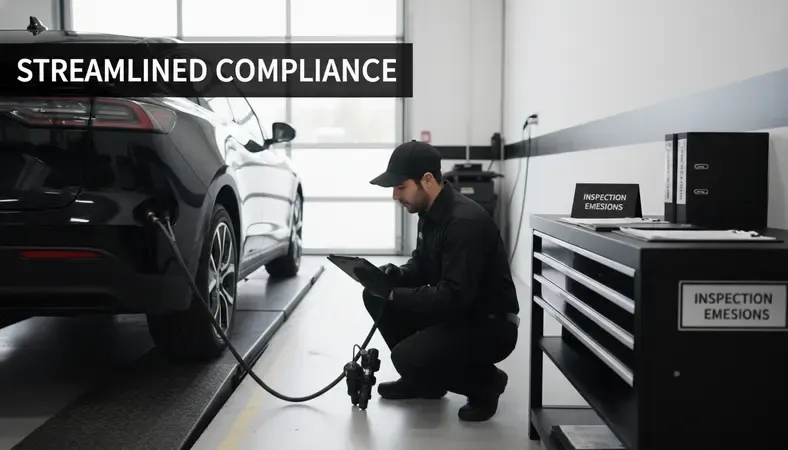
The term "inspection emissions" is also commonly used when searching for this process — it refers to the same thing: a formal check of your vehicle's exhaust output to confirm it meets state-mandated pollution standards.
California, Colorado, Texas, New York, and dozens of other states require regular emissions inspections as a condition of vehicle registration. The specific rules — which vehicles must test, how often, and what the cutoff thresholds are — vary by state and sometimes by county.
Key Insight: An emissions inspection doesn't test your engine's overall health. It tests one specific thing: how much pollution your car produces. A vehicle can pass an emissions test and still have mechanical problems unrelated to exhaust output.
What the test actually measures
Modern emissions tests check three main categories:
- Exhaust gas analysis: Measures the concentration of CO, HC, NOx, and CO₂ coming out of the tailpipe. High levels indicate incomplete combustion or a failing catalytic converter.
- OBD-II scan: For vehicles made after 1996, technicians plug a scanner into your car's onboard diagnostics port. The system reads stored fault codes and checks whether emissions-related monitors have completed their self-tests.
- Visual inspection: Technicians look for obvious tampering — a missing catalytic converter, disconnected vacuum lines, or an aftermarket exhaust that bypasses emissions controls.
Why Are Emissions Inspections Required?
Vehicle exhaust is one of the largest sources of air pollution in the United States. The Environmental Protection Agency estimates that transportation accounts for roughly 29% of total U.S. greenhouse gas emissions — the single largest sector.
Emissions inspections exist because left unchecked, a significant percentage of older or poorly maintained vehicles produce pollution levels far above what modern engine controls allow. Studies have shown that roughly 10% of vehicles on the road produce more than 50% of vehicle-related air pollution. Mandatory testing identifies those vehicles and forces repairs before they can continue operating.
For drivers, the practical consequence is simple: if your car doesn't pass the emissions inspection, you can't renew your registration legally in states that require it.
How Often Do You Need an Emissions Inspection?
The frequency depends entirely on your state and, in some cases, your county.
Emissions inspection frequency by state type
| State Requirement | Typical Schedule | Examples |
|---|---|---|
| Biennial (every 2 years) | At each registration renewal | California, Texas |
| Annual | Every year at renewal | Colorado (Air Care), Virginia |
| On transfer only | When vehicle changes ownership | Some rural counties |
| Initial registration only | Once when first registered | A few states with limited programs |
| No requirement | No statewide mandate | Many rural/midwestern states |
California requires smog checks every two years for most vehicles, starting when the car is more than four years old. Colorado's Air Care Colorado emissions testing program requires annual checks for vehicles in the Denver metro and Front Range areas. Texas requires annual inspections that include an emissions component for vehicles in the larger metro counties.
New vehicles are typically exempt for the first few years. Diesel vehicles, motorcycles, and vehicles older than a certain model year are often subject to different rules. Check your state's DMV website for the exact schedule that applies to your vehicle.
What Happens During an Emissions Test?
The process is straightforward and usually takes less than 15 minutes from start to finish.
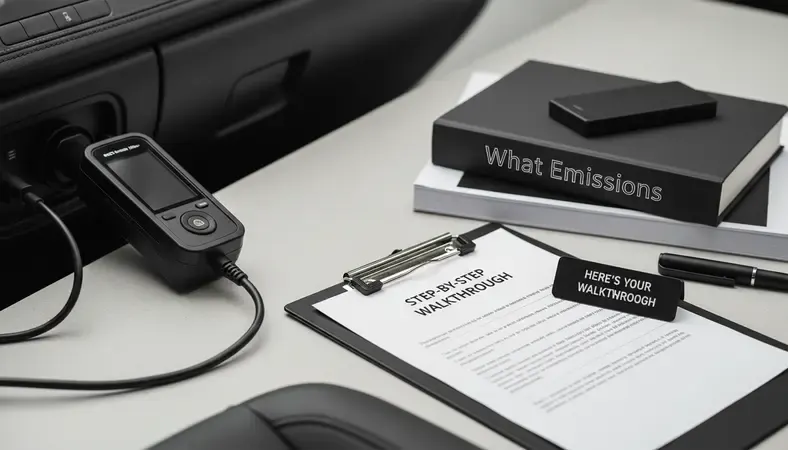
Here's a step-by-step walkthrough of what to expect:
-
Check-in: You pull up to the testing lane and hand over your vehicle registration and ID. The technician logs your vehicle's VIN, make, model, year, and odometer reading.
-
Visual inspection: The technician checks that your gas cap is present and seals properly, that your catalytic converter hasn't been removed, and that there are no obvious modifications to the exhaust system.
-
OBD-II scan (1996 and newer vehicles): A diagnostic cable plugs into the port under your dashboard. The scanner reads your car's computer for active fault codes and checks whether all emissions monitors show "ready." This takes about two minutes.
-
Tailpipe test (older vehicles): For cars made before 1996, a probe is inserted into the exhaust pipe while the engine runs at idle and at higher RPM. The machine measures the actual concentrations of pollutants in the exhaust.
-
Results: You receive a printed report showing pass or fail, the specific readings, and — if you failed — which component or monitor triggered the failure.
The whole process at a station like Speedy Smog typically takes under 15 minutes. You don't need to make an appointment at most stations, though you can Make an Appointment in advance if you prefer a guaranteed time slot.
Common Reasons for Emissions Test Failure
Failing an emissions inspection is more common than most drivers expect. Here are the issues that cause the majority of failures:
-
Check engine light is on: This is the single most common reason for failure. If your OBD-II system has an active fault code, the test fails automatically — regardless of what the code is for. Even a minor issue like a loose gas cap can trigger a code that causes failure.
-
Incomplete OBD-II monitors: After a battery replacement or a recent repair, your car's computer resets all its self-test monitors to "not ready." If too many monitors haven't completed their cycles, the test fails. This is called a "readiness" failure.
-
Failing catalytic converter: The catalytic converter breaks down harmful exhaust gases before they exit the tailpipe. When it degrades, HC and CO levels spike well above the legal limit.
-
Faulty oxygen sensor: O2 sensors tell the engine how to adjust the fuel mixture. A bad sensor causes the engine to run rich (too much fuel), which dramatically increases hydrocarbon emissions.
-
EGR valve problems: The exhaust gas recirculation valve reduces NOx emissions by recirculating a portion of exhaust back into the intake. A stuck or clogged EGR valve causes NOx levels to exceed legal thresholds.
-
Evaporative system leaks: The EVAP system captures fuel vapors before they escape into the atmosphere. A cracked hose, bad purge valve, or loose gas cap can trigger an EVAP monitor failure.
-
Worn spark plugs or ignition issues: Misfires cause unburned fuel to pass through the exhaust system, spiking hydrocarbon readings significantly.
How to Prepare Your Vehicle for an Emissions Inspection
You can't guarantee a pass, but you can dramatically improve your odds with a few straightforward steps before the test.
A week before the test:
- Address any check engine light. Get the fault codes read at an auto parts store (usually free) and repair any known issues. Don't clear the codes without fixing the problem — the light will come back.
- Check your gas cap. Remove it, inspect the rubber seal for cracks, and make sure it clicks tight when reinstalled. A faulty gas cap is one of the cheapest and most common causes of failure.
- Get an oil change if you're overdue. Dirty oil increases hydrocarbon emissions from blow-by gases. Fresh oil keeps combustion cleaner.
The day of the test:
- Drive for at least 20 minutes before arriving. A fully warmed-up engine runs cleaner and more efficiently. Cold engines produce higher emissions during the first few minutes of operation.
- Drive at highway speeds if possible. A 15–20 minute drive that includes some time at 55–60 mph helps complete OBD-II readiness monitors that may be pending.
- Avoid topping off your gas tank. Overfilling can saturate the EVAP canister and trigger an EVAP system failure.
- Don't use fuel additives the day of the test. Some additives temporarily alter combustion in ways that can produce inconsistent results.
If you recently replaced your battery or had major engine work done, drive your car for at least 100–200 miles over several days before testing. This gives the OBD-II monitors time to complete their self-check cycles.
What to Do If Your Vehicle Fails the Emissions Test
A failed emissions inspection isn't the end of the road. Here's how to handle it:
Step 1 — Get the failure report and read it carefully. The report lists exactly which test component failed and what the readings were. This is your diagnostic starting point. An OBD-II monitor failure is a very different repair than a tailpipe HC failure.
Step 2 — Diagnose the root cause. Take the failure report to a trusted mechanic or dealership. If the check engine light triggered the failure, have the specific fault codes read and diagnosed — not just cleared.
Step 3 — Make the necessary repairs. Fix the identified issue. Common repairs that resolve emissions failures include replacing the catalytic converter, replacing O2 sensors, repairing EVAP system leaks, or servicing the EGR valve.
Step 4 — Drive the vehicle to reset monitors. After repairs, drive the vehicle through a mix of city and highway conditions for at least a day or two before retesting. This ensures the OBD-II monitors complete their self-tests and show "ready."
Step 5 — Retest. Return to the emissions station for a retest. Many states offer a free or reduced-cost retest within a set time window after a failure — typically 30 to 60 days.
What about repair cost limits? Most states with mandatory emissions programs have a cost waiver provision. If you spend a minimum threshold on qualifying repairs (often $150–$450 depending on the state) and your vehicle still fails, you may qualify for a waiver that allows registration renewal anyway. California's Bureau of Automotive Repair administers this program and provides detailed guidance on waiver eligibility.
Common Questions About Emissions Inspections
Does an emissions inspection check anything other than exhaust?
The emissions inspection focuses specifically on exhaust-related systems — the catalytic converter, oxygen sensors, EGR valve, EVAP system, and the OBD-II fault code status. It does not check brakes, tires, steering, or other safety components. Some states combine emissions testing with a broader safety inspection, but these are separate evaluations even when done at the same visit.
Can I pass an emissions test with the check engine light on?
No. In virtually every state that uses OBD-II testing, an illuminated check engine light is an automatic failure. The light indicates an active fault code in the vehicle's computer, and the test reads that code directly. The light must be off — and the underlying problem must be fixed — before the vehicle can pass.
How long does an emissions inspection take?
Most emissions tests take between 5 and 20 minutes at the station. If there's no line and your vehicle is a 1996 or newer model, the OBD-II scan portion takes about two minutes. Older vehicles requiring a tailpipe test take slightly longer. Speedy Smog completes most vehicles in under 15 minutes.
What is the difference between an emissions test and a smog check?
They refer to the same process. "Smog check" is the term used primarily in California, where the program is officially called the Smog Check Program. Other states use terms like "emissions test," "emissions inspection," or "vehicle inspection." The underlying process — checking your vehicle's exhaust output against legal standards — is the same regardless of what it's called.
Is an emissions inspection the same in every state?
No. Each state sets its own standards, testing methods, vehicle exemptions, and failure thresholds. California has some of the strictest standards in the country. States like Colorado run their Air Care Colorado emissions testing program specifically in high-pollution metro areas and exempt rural counties entirely. Some states have no statewide emissions requirement at all. Always check your specific state's DMV requirements.
Can I get an emissions test at Jiffy Lube?
Some Jiffy Lube locations in certain states do offer emissions testing. If you're searching for an emissions test at Jiffy Lube, availability varies significantly by location — not every Jiffy Lube is licensed to perform state-mandated emissions inspections. Check your specific location before driving over. In California, only STAR-certified stations are authorized to test certain vehicles, so it's worth confirming certification status regardless of which shop you choose. Jiffy Lube emissions coupon offers may also be available through their website or local mailers if cost is a concern.
Final Thoughts
An emissions inspection is a 15-minute test that keeps your registration current and confirms your car isn't contributing disproportionately to air pollution. Prepare your vehicle, address any check engine light before you go, and warm up the engine on the way there.
Pass your emissions inspection fast at Speedy Smog in San Leandro — STAR certified, most vehicles done in under 15 minutes, open 6 days a week. Call (510) 614-7664 or visit speedysmogchecksanleandro.com to save $25 on your next smog check. Ready to get started? Visit Speedy Smog to learn more.
Getting your car inspected can feel like a mystery — you pull in, hand over the keys, and hope for the best. But understanding what a vehicle inspection service actually involves puts you in control. Whether you’re renewing your registration, buying a used car, or just want to know your vehicle is roadworthy, this guide covers exactly what happens, what gets checked, and how often you need to go.
What Is a Vehicle Inspection Service?
A vehicle inspection service is a formal evaluation of your car’s mechanical condition, safety systems, and — depending on your state — its emissions output. Cloud Computing: Definition and How A trained technician examines specific components against a defined checklist, then issues a pass or fail result.
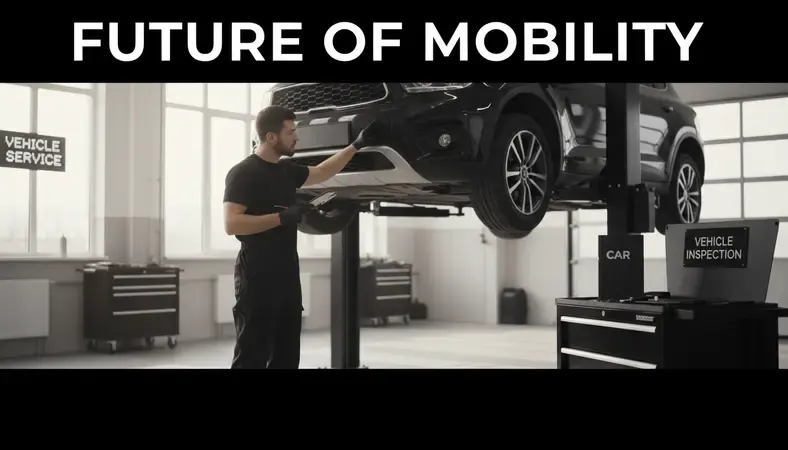
The term “car vehicle inspection” gets used loosely, but there are actually several distinct types. Some are required by law. Others are voluntary but smart. Knowing the difference saves you time and money.
States run their own inspection programs, so requirements vary significantly. California, for example, requires emissions testing — called a smog check — for most vehicles every two years. Texas requires a combined safety and emissions inspection annually. Some states, like Florida, have no mandatory inspection program at all. The National Conference of State Legislatures tracks these programs and notes that requirements differ not just by state but sometimes by county and vehicle age.
Key Insight: A vehicle inspection is not the same as routine maintenance. An inspection tells you what’s wrong. Maintenance fixes it. Both matter — but they serve different purposes.
Types of Vehicle Inspections
Not every inspection is the same. Here’s a breakdown of the main types you’ll encounter:
Comparison of Vehicle Inspection Types
| Inspection Type | What It Covers | When You Need It | Who Requires It |
|---|---|---|---|
| Safety Inspection | Brakes, lights, tires, steering, wipers | Registration renewal | State DMV |
| Emissions Inspection | Exhaust gases, OBD system, catalytic converter | Registration renewal | State/county |
| Pre-purchase Inspection | Full mechanical and safety evaluation | Before buying a used car | Buyer-initiated |
| Out-of-state Transfer | Safety + emissions for new state registration | Moving to a new state | State DMV |
| Commercial Vehicle Inspection | DOT compliance, weight limits, cargo systems | Ongoing for commercial vehicles | Federal/state DOT |
Each type of vehicle inspection service has a specific purpose. Safety inspections confirm your car won’t endanger you or others on the road. Emissions inspections verify your car isn’t polluting beyond legal limits. A pre-buy car inspection — which you arrange independently before purchasing a used vehicle — is the most thorough because it’s done entirely for your benefit with no time pressure.
Safety Inspections
Safety inspections focus on the mechanical systems that keep you and other drivers safe. Technicians check brakes, headlights, turn signals, tires, windshield wipers, mirrors, and steering components. If anything fails, you’ll get a list of what needs repair before the vehicle can be registered.
Emissions Inspections
Emissions inspections — sometimes called smog checks — measure the pollutants your vehicle releases. Technicians connect a diagnostic tool to your car’s OBD-II port (the onboard diagnostics system every car built after 1996 has) and read the data your car’s computer has been tracking. They may also run a tailpipe test on older vehicles. California’s Bureau of Automotive Repair reports that smog checks have helped reduce vehicle-related smog-forming emissions by more than 75% since the program began in the 1980s.
Pre-Buy Car Inspections
A pre-buy car inspection is the smartest money you’ll spend before purchasing a used vehicle. You bring the car to an independent vehicle inspection station — one with no connection to the seller — and a technician evaluates everything: engine condition, transmission, suspension, rust, accident damage, and more. A typical pre-purchase inspection costs between $100 and $200 and can reveal problems that would cost thousands to fix.
Why Vehicle Inspections Are Important
Skipping a vehicle inspection service isn’t just a legal risk — it’s a safety risk. The Federal Highway Administration estimates that vehicle defects contribute to roughly 2% of all traffic crashes annually in the United States. That sounds small until you realize how many millions of accidents happen each year.
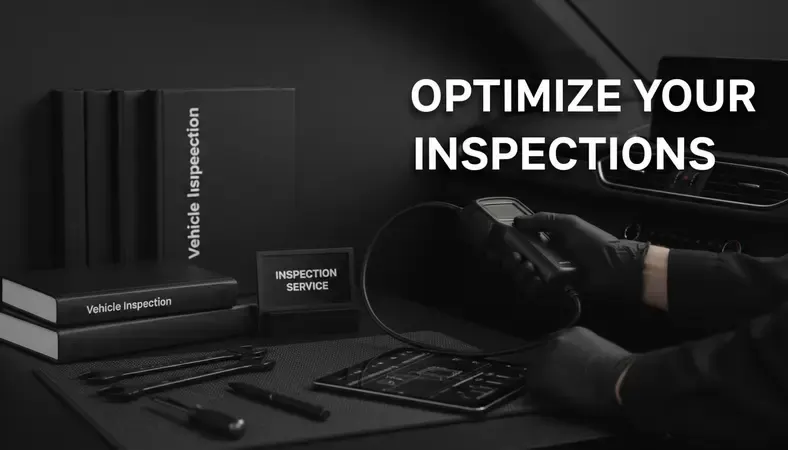
From a practical standpoint, inspections matter for three reasons:
- Legal compliance: Most states tie vehicle registration to a passed inspection. Drive with expired registration and you risk fines, impoundment, or worse.
- Resale value: A car with a clean inspection history is easier to sell and commands a higher price. Buyers ask for inspection records.
- Early problem detection: Catching a failing brake caliper or a cracked CV boot during an inspection costs far less than dealing with the breakdown — or accident — those failures cause.
For California drivers specifically, the smog check is non-negotiable. Vehicles that fail can’t be legally registered until the problem is repaired and the car passes a retest. The California Bureau of Automotive Repair administers the STAR program, which certifies stations to test and repair vehicles that have failed initial inspections.
What Gets Checked During an Inspection
The exact checklist depends on the type of vehicle inspection service and your state’s requirements. Here’s what a typical combined safety and emissions inspection covers:
Safety systems:
* Brakes — pad thickness, rotor condition, brake fluid level
* Tires — tread depth, inflation, sidewall condition
* Lights — headlights, taillights, brake lights, turn signals, hazard lights
* Steering and suspension — play in the steering wheel, shock absorber condition
* Windshield — cracks, wiper blade condition, washer fluid
* Mirrors — presence and adjustment
* Seat belts — function and condition
* Horn — audible and working
Emissions systems:
* OBD-II diagnostic scan — reads fault codes from the car’s computer
* Readiness monitors — confirms the car’s systems have completed their self-tests
* Tailpipe test — measures hydrocarbons (HC), carbon monoxide (CO), and nitrogen oxides (NOx) on older vehicles
* Visual inspection — checks for obvious tampering with emissions equipment like the catalytic converter or EGR valve
One thing many drivers don’t realize: your “check engine” light alone can cause an emissions failure. The OBD-II system stores fault codes when something goes wrong, and a lit check engine light almost always means at least one active code. Fix the underlying problem, clear the code, and drive for a few days before your inspection — this lets the car’s monitors reset and confirm everything is working correctly.
How Often Do You Need Vehicle Inspections?
The frequency of a vehicle inspection service depends entirely on where you live and what type of inspection is required.
- Annual inspections: States like Texas, New York, and Virginia require safety inspections every year. Some combine safety and emissions into a single annual test.
- Biennial inspections: California requires smog checks every two years for most vehicles, typically at registration renewal time.
- Initial registration only: Some states require an inspection only when you first register a vehicle in that state — usually after moving from another state.
- No mandatory inspection: States like Florida, Michigan, and South Carolina have no statewide vehicle inspection requirement, though local jurisdictions may have their own rules.
Vehicle age matters too. In California, cars less than eight model years old are generally exempt from smog checks. Vehicles 1975 and older are also exempt. Diesel vehicles over a certain weight have separate testing requirements.
The simplest approach: check your registration renewal notice. It will tell you whether an inspection is required and what type. If you’ve moved recently, check your new state’s DMV website — requirements for out-of-state vehicles often differ from those for vehicles already registered in the state.
Vehicle Inspection vs Emissions Testing
These two terms get used interchangeably, but they’re not the same thing.
A vehicle inspection service is the broader category. It can include safety checks, mechanical evaluations, and emissions testing — or any combination of those. An emissions test (smog check) is specifically focused on what comes out of your tailpipe and what your car’s computer is reporting about its own emissions systems.
Here’s the practical difference: your car could pass an emissions test and still fail a safety inspection because of bald tires or broken brake lights. And it could pass a safety inspection but fail emissions because of a faulty oxygen sensor or catalytic converter.
Some states run both as part of a single appointment at a certified vehicle inspection station. Others separate them. In California, smog checks and safety inspections are handled independently — the smog check is the mandatory one for registration, while safety is generally the owner’s responsibility.
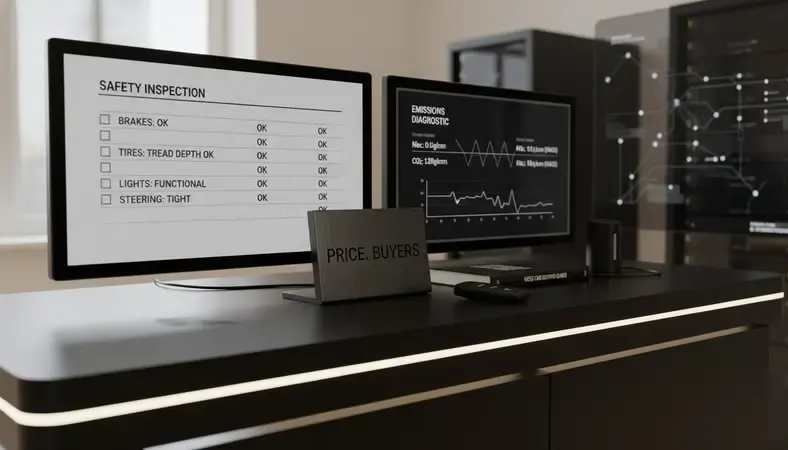
If you’re buying a used car, don’t confuse a passed smog check with a clean bill of mechanical health. A car can pass emissions and still have serious engine, transmission, or suspension problems. That’s exactly why a pre-buy car inspection from an independent vehicle inspection station is worth the investment.
How to Find a Vehicle Inspection Service Near You
Finding a reliable vehicle inspection service comes down to a few key factors: certification, convenience, and transparency.
Look for State Certification
Not every shop can perform a legally valid inspection. In California, smog check stations must be licensed by the Bureau of Automotive Repair. STAR-certified stations can test all vehicles, including those directed by the DMV for a referee inspection. When searching for a car inspection station, confirm it holds the appropriate state license for the type of inspection you need.
Steps to Find and Use a Vehicle Inspection Service
- Check your registration notice: It will specify what type of inspection is required and sometimes list approved stations in your area.
- Search your state DMV’s website: Most state DMV sites have a locator tool for certified inspection stations.
- Read recent reviews: Look for stations with consistent feedback about accurate results, fair pricing, and fast turnaround.
- Call ahead: Ask how long the inspection takes, whether you need an appointment, and what documentation to bring (usually your registration and ID).
- Bring the right paperwork: Some states require you to present your current registration or proof of insurance at the time of inspection.
- Ask about same-day results: Most vehicle inspection services issue results immediately. If you fail, ask for a written report — it tells you exactly what needs repair.
What to Bring
- Current vehicle registration
- Government-issued ID
- Payment (cash or card — confirm which the station accepts)
- Any repair receipts if you’ve recently fixed something that caused a previous failure
If you’re in San Leandro or the surrounding East Bay area and need a smog check, you can make an appointment at Speedy Smog to get tested at a STAR-certified station. Most vehicles are done in under 15 minutes.
Common Questions About Vehicle Inspection Services
What happens if my car fails a vehicle inspection?
You’ll receive a written report listing every item that failed. For safety inspections, you have a set period — typically 30 to 60 days depending on your state — to make repairs and return for a retest. For emissions failures in California, you may qualify for a cost assistance program through the Bureau of Automotive Repair if repair costs exceed a certain threshold. The program can cover up to $500 in qualifying repair costs for income-eligible vehicle owners.
Can I drive my car if it fails inspection?
It depends on the state and the nature of the failure. In most states, you can drive your car home after a failed inspection, but you cannot legally register it until it passes. Driving with expired registration is a separate infraction. If the failure involves a critical safety issue — like brake failure — some states will issue a “rejection sticker” that effectively prohibits the vehicle from being driven until repaired.
How long does a vehicle inspection service take?
A standard smog check takes 15 to 30 minutes for most vehicles. A combined safety and emissions inspection may take 30 to 45 minutes. A pre-buy car inspection is the most thorough and typically takes one to two hours. If the station is busy, add waiting time — calling ahead or scheduling an appointment avoids this entirely.
Is a pre-buy car inspection worth it?
Yes, without question. A pre-buy car inspection from an independent vehicle inspection station typically costs $100 to $200. It can reveal hidden problems — engine wear, frame damage from accidents, failing transmission — that the seller may not disclose or may not even know about. On a $10,000 used car purchase, spending $150 to confirm the vehicle is sound is straightforward risk management.
What’s the difference between a STAR station and a regular smog station in California?
In California, smog check stations are either regular test-only stations, test-and-repair stations, or STAR-certified stations. STAR certification means the station has met higher performance standards set by the Bureau of Automotive Repair. Vehicles that the DMV specifically directs for a “referee” inspection — usually because of a previous failure or a vehicle history flag — must go to a STAR station. If your registration notice says “STAR station required,” you can’t use a non-certified shop.
Does a vehicle inspection affect my insurance?
A standard safety or emissions inspection does not directly affect your insurance rates. However, if an inspection reveals that your vehicle has been in an unreported accident or has significant structural damage, that information could become relevant if you’re filing a claim. For pre-purchase inspections, having a clean inspection report can sometimes support a negotiation for lower purchase price — which indirectly affects the value of your coverage.
Conclusion
A vehicle inspection service keeps your car legal, safe, and running the way it should. Knowing what type you need — safety, emissions, or pre-purchase — and finding a certified station makes the whole process straightforward.
If you’re due for a smog check in San Leandro, book your inspection at Speedy Smog — STAR certified, most vehicles done in under 15 minutes, open six days a week, with a $25 savings available when you call (510) 614-7664.
Your vehicle registration renewal in California comes with a requirement most drivers dread — the smog check. If your car fails or you're not sure where to go, understanding how an emission testing station works makes the whole process less stressful.
Finding a reliable auto emission testing station doesn't have to be complicated. This guide covers exactly what happens during a test, which vehicles need one, what it costs, and how to find a station near you.
What Is an Emission Testing Station?
An emission testing station is a licensed facility where trained technicians measure the pollutants your vehicle's engine releases into the air. These stations use specialized equipment to analyze exhaust gases and determine whether your car meets the pollution standards set by your state's environmental agency.
In California, emission testing stations are regulated by the California Bureau of Automotive Repair (BAR), which licenses and inspects every station operating in the state. Not all stations are created equal — you'll see two main types:
Regular smog check stations vs. STAR certified stations
| Station Type | What It Does | Who Must Use It |
|---|---|---|
| Regular smog station | Performs standard smog checks and repairs | Most vehicles |
| STAR certified station | Meets higher BAR performance standards | Vehicles directed by DMV, older vehicles, or those with prior failures |
| Test-Only station | Tests only — no repairs performed | Vehicles requiring an independent test |
| Test and Repair station | Tests and fixes emissions issues | Most consumers — one-stop convenience |
California's STAR program identifies the highest-performing smog stations based on accuracy and compliance. If your DMV registration notice specifically directs you to a STAR station, you cannot use a regular smog shop — the test won't be accepted. Speedy Smog is STAR certified, which means it's accepted for all vehicle types, including those with prior failures or DMV-directed requirements.
Why Do You Need Emission Testing?
Vehicle exhaust contains carbon monoxide, hydrocarbons, nitrogen oxides, and particulate matter — all of which contribute to smog and respiratory illness. California has some of the strictest vehicle emissions standards in the country, driven by decades of air quality problems in cities like Los Angeles and the Bay Area.
The state requires most vehicles to pass a smog check before:
- Registering a vehicle for the first time in California
- Renewing registration every two years (for most vehicles)
- Selling or transferring ownership of a vehicle
The Air Resources Board estimates that motor vehicles account for roughly 40% of smog-forming emissions in California. Emission testing stations are the enforcement mechanism that keeps high-polluting vehicles off the road and holds owners accountable for maintaining their cars.
Beyond environmental reasons, failing to pass a smog check means you can't legally register your vehicle. That makes the emission testing station a practical necessity, not just a bureaucratic hurdle.
How Emission Testing Works
The test itself is straightforward and takes most vehicles under 15 minutes. Here's what happens step by step:
-
Visual inspection: The technician checks that your vehicle's emissions control components — catalytic converter, gas cap, EGR valve, and others — are present and haven't been tampered with.
-
OBD-II scan: For vehicles made in 1996 or later, the technician plugs a scanner into your car's onboard diagnostic port (usually located under the dashboard). This reads your vehicle's computer for any stored fault codes or readiness monitor failures.
-
Functional checks: The technician verifies that the check engine light illuminates at startup (confirming the system works) and checks for visible smoke from the exhaust.
-
Results and documentation: The station transmits your test results electronically to the BAR database. If you pass, you receive a certificate. If you fail, the station provides a Vehicle Inspection Report explaining what failed and why.
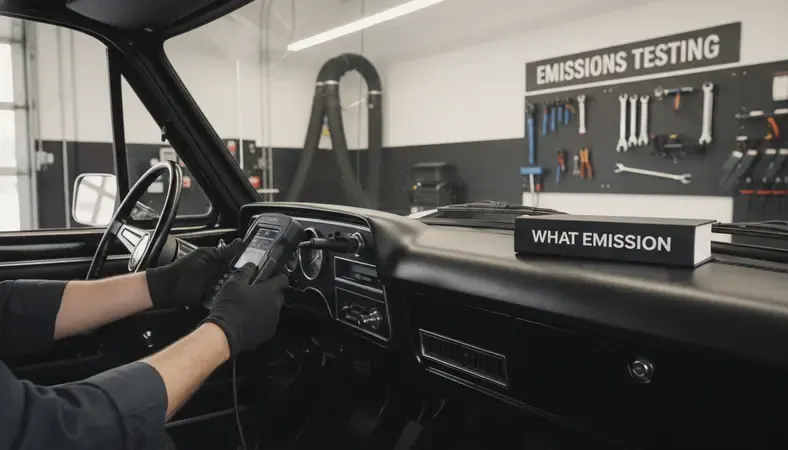
For older vehicles (typically pre-1996), some stations use a tailpipe probe test that directly measures exhaust gases. Diesel vehicles and hybrids follow slightly different procedures depending on the model year.
Key Insight: If your check engine light is on before you arrive, your vehicle will almost certainly fail the OBD-II portion of the test. Address that warning light before booking your smog check — it saves you the test fee and a return trip.
What Vehicles Require Emission Testing?
Not every vehicle in California needs a smog check. Here's how the rules break down:
Vehicles that require smog checks:
* Gasoline-powered cars and trucks 1976 and newer
* Diesel-powered vehicles 1998 and newer with a GVWR under 14,000 lbs
* Vehicles being registered in California for the first time
* Vehicles changing ownership
Vehicles exempt from smog checks:
* Electric vehicles (zero emissions — no test needed)
* Gasoline-powered vehicles that are eight model years old or newer (these fall under the "new vehicle" exemption in California — the first eight years are exempt)
* Vehicles manufactured before 1976
* Motorcycles
* Trailers
The eight-year exemption is worth knowing. If you drive a 2020 model year vehicle, you won't need a smog check until the 2028 registration cycle. After that, it's every two years.
Diesel vehicles have their own set of rules. Those registered in certain high-pollution counties must comply with the Smog Check Program, while others may be subject to different inspection requirements under the California Air Resources Board regulations.
How to Find an Emission Testing Station Near You
Finding a legitimate emission testing station takes about two minutes. Here are the most reliable methods:
-
Use the BAR's official station locator
The California Bureau of Automotive Repair maintains a searchable database at bar.ca.gov where you can filter by station type (STAR, Test-Only, Test and Repair) and ZIP code. This is the most accurate source because it reflects current license status. -
Check your DMV registration notice
If your DMV renewal notice directs you to a specific type of station — particularly a STAR station — the notice will say so explicitly. Don't ignore this. Using the wrong station type means your test result won't be accepted. -
Search for auto emission testing stations locally
A quick map search for "auto emission testing stations near me" will surface nearby options with reviews and hours. Look for STAR certification if your vehicle has had prior failures or if your DMV notice requires it. -
Call ahead
Not all stations test all vehicle types. Diesel vehicles, motorhomes, and vehicles over a certain weight may require a specialized station. A quick call confirms they can handle your vehicle before you make the trip.
If you're in San Leandro or the surrounding East Bay area, you can make an appointment at Speedy Smog to reserve your time slot and avoid waiting.
What to Expect During Your Emission Test
Most people's anxiety about the smog check comes from not knowing what to expect. Here's the honest breakdown:
Before you arrive:
* Make sure your check engine light is off
* Drive your vehicle at highway speeds for 15–20 minutes before the test — this ensures your catalytic converter is at operating temperature and your OBD-II monitors are in a "ready" state
* Don't fill your gas tank more than 3/4 full the day before — a too-full tank can cause evaporative system failures
* Bring your vehicle registration or the DMV renewal notice
During the test:
* You'll hand over your keys and wait while the technician runs the inspection
* Most tests at a modern emission testing station take 10–15 minutes for a standard passenger vehicle
* You don't need to be present in the vehicle during the test
After the test:
* If you pass, the station transmits the results to the DMV electronically. You'll receive a paper certificate as well.
* If you fail, you'll get a Vehicle Inspection Report listing every failed item. A Test and Repair station can often address the issues the same day. A Test-Only station will refer you elsewhere for repairs.
One thing most people don't realize: if you fail and spend more than $650 on qualifying repairs at a licensed station without achieving a passing result, you may qualify for a waiver that allows you to register your vehicle anyway. This is called a cost limit waiver, and your repair station can help you apply.
How Much Does Emission Testing Cost?
Smog check prices vary by station and vehicle type, but the range is fairly consistent across California.
Typical smog check costs:
* Standard passenger vehicle: $30–$60 for the test itself
* STAR certified stations: similar range, sometimes slightly higher due to certification overhead
* Diesel vehicles: often $50–$80 due to the additional inspection requirements
* Gross Polluter inspections: fees vary
California also charges a smog abatement fee ($20–$25) collected at registration, separate from the station's test fee. Some stations advertise low test prices but charge additional fees — always ask for the all-in cost before you hand over your keys.
Speedy Smog offers a $25 savings on smog checks — call (510) 614-7664 or visit speedysmogchecksanleandro.com to confirm current pricing and availability.
Common Questions About Emission Testing Stations
What happens if my car fails the smog check?
You'll receive a Vehicle Inspection Report listing what failed. You have 30 days to make repairs and return for a retest. If you used a Test-Only station, you'll need to take the repair report to a licensed repair facility. After repairs, return to any licensed emission testing station for the retest — you don't have to go back to the same place.
Can I get a smog check if my check engine light is on?
Technically yes, but you'll fail. The OBD-II portion of the test reads your vehicle's computer, and an active check engine light means a fault code is stored. The technician will note the failure and you'll pay the test fee without getting a passing certificate. Fix the underlying issue first, then retest.
How often do I need a smog check in California?
Most vehicles need a smog check every two years, timed to your registration renewal cycle. Vehicles eight model years old or newer are exempt. When you buy a used vehicle, a smog check is required at the point of sale regardless of when the last one was done.
Does my electric vehicle need a smog check?
No. Fully electric vehicles produce zero tailpipe emissions and are permanently exempt from California's smog check requirement. Plug-in hybrids that also have a gasoline engine may still be subject to testing — check your DMV registration notice to confirm.
What is a STAR certified station and why does it matter?
STAR is a California BAR designation for smog stations that meet higher performance standards based on their testing accuracy and compliance history. Some vehicles — particularly those directed by the DMV, older vehicles, or those with prior failures — are required to test at a STAR station. A test performed at a non-STAR station won't count for these vehicles. Speedy Smog holds STAR certification, so it's accepted for all vehicle categories.
What This Means for You
If your registration renewal is coming up and you need a smog check, go to a STAR certified station — it covers every vehicle type and removes any risk of your results being rejected. Book your smog check at Speedy Smog in San Leandro — STAR certified, most vehicles done in under 15 minutes, open 6 days a week, with $25 in savings available when you call (510) 614-7664. Ready to get started? Visit Speedy Smog to learn more.
California drivers renew their vehicle registration every year — and for most, that means a mandatory stop at an emissions test station before the DMV will process the renewal. If you're not sure what to expect, where to go, or what happens if your car doesn't pass, this guide covers everything you need to know.
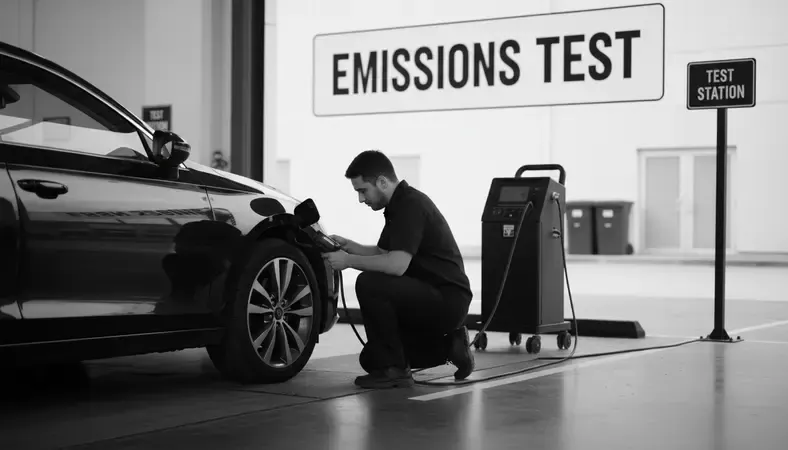
What Is an Emissions Test Station?
An emissions test station — sometimes called an emission inspection station or smog check station — is a licensed facility that measures the pollutants your vehicle's engine produces. The goal is to confirm your car isn't releasing more hydrocarbons, carbon monoxide, or nitrogen oxides than state law allows.
In California, emissions test stations are licensed and regulated by the Bureau of Automotive Repair (BAR). Not every shop that does oil changes or brake work is authorized to perform smog checks. A legitimate emissions test station must meet specific equipment standards, employ licensed technicians, and report test results directly to the state's database.
There are two main types of stations in California:
- Regular test-and-repair stations: These can both test your vehicle and perform repairs if it fails.
- Test-only stations: These only perform the emissions test — they don't do repairs. Because they have no financial incentive to pass your car, many drivers and consumer advocates consider test-only results more objective.
A third category — the STAR station — matters for certain vehicles. A STAR station for smog is a test-only or test-and-repair facility that has met higher performance standards set by BAR. If your vehicle is flagged by the DMV as requiring a STAR-certified inspection (usually high-emitters or vehicles with a history of failures), you must go to a STAR station specifically. A regular emissions test station won't satisfy the requirement.
Where to Find Emissions Test Stations Near You
Finding emission test locations is straightforward. The California BAR maintains a searchable database at bar.ca.gov where you can enter your zip code and filter by station type — regular, test-only, or STAR-certified.
Your DMV renewal notice will also tell you whether your vehicle requires a STAR station. Check that notice before you book an appointment, because showing up at the wrong type of station means starting over.
A few practical tips for choosing a location:
- Check if STAR certification is required before you go anywhere.
- Look for test-only stations if you want an unbiased result and plan to handle repairs separately.
- Confirm the station tests your vehicle type — some stations are set up only for passenger cars, not diesel vehicles or larger trucks.
If you're in the San Leandro area, Speedy Smog is a STAR-certified emissions test station that handles most vehicles in under 15 minutes. You can make an appointment online at speedysmogchecksanleandro.com or walk in during business hours.
Other states have their own programs. Colorado runs Air Care Colorado, an emissions testing program for the Denver metro area. Oregon operates DEQ test stations through the Oregon Department of Environmental Quality. The process differs by state, but the core concept is the same: your vehicle must meet local emissions standards to stay registered.
What to Expect During an Emissions Test
The test itself is quick. Here's exactly what happens at a typical emissions test station:
-
Check-in: You hand over your vehicle registration and ID. The technician confirms your vehicle information and enters it into the state system.
-
Visual inspection: The technician checks that your catalytic converter is present and that there are no visible signs of tampering with emissions equipment.
-
OBD-II scan: For most vehicles made after 1996, the technician connects a scanner to your car's onboard diagnostic port — usually located under the dashboard. This reads your vehicle's computer for any stored fault codes or "readiness monitors" that haven't completed.
-
Tailpipe test (older vehicles): Vehicles made before 1996 typically go through a tailpipe test, where a probe is inserted into the exhaust pipe to measure actual emissions output directly.
-
Results: The technician prints or digitally transmits the results to the state. You get a copy. If you pass, the station reports the result to the DMV and you can complete your registration renewal. The whole process usually takes 15–30 minutes.
Key Insight: One common reason vehicles fail isn't a mechanical problem — it's incomplete readiness monitors. If you recently disconnected your battery or had a repair done, your car's computer may not have finished running its self-checks. Drive the vehicle for several days before going to an emissions test station to avoid this.
How Often Do You Need an Emissions Test?
In California, most vehicles need a smog check every two years. The DMV will notify you when your registration renewal requires one — it'll be clearly marked on your renewal notice.
There are some exceptions:
- Vehicles 8 years old or newer are currently exempt from biennial smog checks under California's smog abatement program (though this has changed over the years — confirm current rules at dmv.ca.gov).
- Diesel vehicles 1997 and older and gasoline vehicles 1975 and older are also exempt.
- New vehicle purchases trigger a smog check requirement when ownership transfers, regardless of the vehicle's age at the time.
- Moving to California from another state requires a smog check before you can register the vehicle in California.
Smog Check Frequency by Vehicle Situation
| Situation | Smog Check Required? | Frequency |
|---|---|---|
| Standard biennial renewal | Yes (if vehicle is 8+ years old) | Every 2 years |
| Buying a used vehicle | Yes | At time of transfer |
| New vehicle purchase | No | Exempt for first few years |
| Moving to California | Yes | Before initial CA registration |
| Diesel vehicle (pre-1998) | No | Exempt |
| Vehicle 1975 or older | No | Exempt |
Always verify your specific situation with the DMV notice you receive, since exemption rules are updated periodically.
What Vehicles Require Emissions Testing?
The short answer: most gasoline-powered vehicles registered in California that are eight model years or older require a smog check. But there are nuances worth knowing.
Vehicles that require testing:
* Gasoline-powered cars and trucks, model year 1976 and newer, that are 8+ years old
* Diesel-powered vehicles, model year 1998 and newer, under 14,000 lbs GVWR
* Vehicles with out-of-state titles being registered in California for the first time
* Vehicles changing ownership (with some exceptions for very new vehicles)
Vehicles that are exempt:
* Electric vehicles — no combustion engine means no emissions to test
* Hybrid vehicles are tested the same as gasoline vehicles (the combustion engine still produces emissions)
* Motorcycles are currently exempt from California smog checks
* Vehicles with a gross vehicle weight rating over 14,000 lbs have separate testing requirements under a different program
If you drive a hybrid like a Toyota Prius or Honda Accord Hybrid, you still need to visit an emissions test station on the regular schedule. The electric motor doesn't change the testing requirement.
How Much Does an Emissions Test Cost?
In California, the state sets a maximum fee that licensed emissions test stations can charge. As of the most recent BAR guidelines, the maximum smog check fee is $8.25 for the official state certificate — but stations charge their own labor fee on top of that, and total costs typically range from $30 to $60 depending on the station and vehicle type.
A few things that affect cost:
- Vehicle type: Diesel vehicles and larger trucks often cost more to test than standard passenger cars.
- Station type: Test-only stations sometimes charge less than test-and-repair stations.
- Location: Prices vary by region and individual station.
If your vehicle needs a smog check to complete a transfer of ownership, ask the seller who is responsible for the cost — in California, the seller is generally required to provide a valid smog certificate as part of the sale.
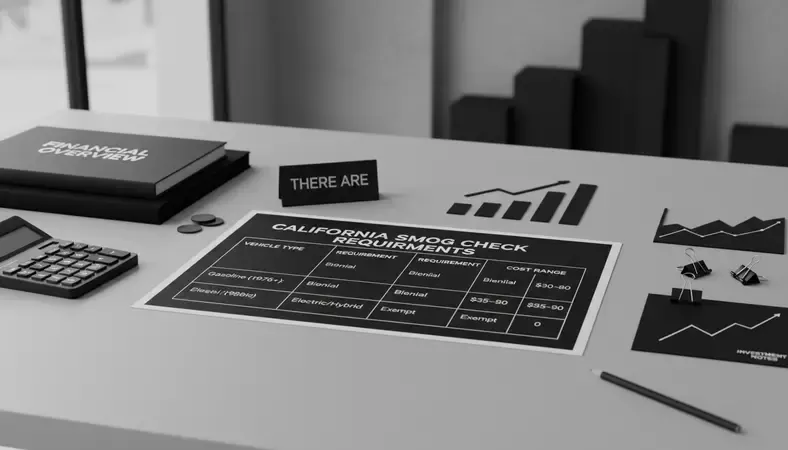
What Happens If Your Vehicle Fails an Emissions Test?
Failing an emissions test isn't the end of the road. Here's what happens and what your options are.
You'll get a Vehicle Inspection Report
The emissions test station prints a report showing exactly which tests failed and why. This report is what a repair shop needs to diagnose and fix the problem. Don't throw it away.
Common reasons for failure
- Check engine light is on: An active fault code will almost always cause a failure. The underlying problem must be repaired and the code cleared before retesting.
- Failed catalytic converter: One of the most common and expensive failures. The catalytic converter reduces harmful exhaust gases — when it stops working, emissions spike.
- Incomplete readiness monitors: As mentioned earlier, the OBD-II system must have completed its self-diagnostic cycles. This is a fixable issue that doesn't require any parts.
- EVAP system leaks: The evaporative emissions control system captures fuel vapors. A leak in this system is a frequent cause of failure.
The Consumer Assistance Program (CAP)
California offers financial help to low-income vehicle owners who fail a smog check. The Consumer Assistance Program (CAP), administered by BAR, provides repair assistance of up to $500 for eligible vehicles. If your vehicle can't be economically repaired, CAP also offers a retirement option — a cash payment to retire the vehicle from the road.
Retesting after repairs
Once repairs are complete, you return to any licensed emissions test station for a retest. Some stations offer a free retest within a certain timeframe if you had the repairs done at their facility — ask about this policy before you commit to repairs.
You cannot renew your vehicle registration until the smog check is passed and reported to the DMV. Driving with an expired registration is a ticketable offense, so getting the issue resolved promptly matters.
Common Questions About Emissions Testing
Can I go to any emissions test station, or does it have to be specific?
Most vehicles can go to any licensed emissions test station in California. The exception is vehicles flagged by the DMV as requiring a STAR-certified inspection. Your DMV renewal notice will specify if this applies to your vehicle. If it does, you must use a STAR station — a regular emissions test station won't satisfy the requirement.
How long does a smog check take?
Most smog checks at a modern emissions test station take 15–30 minutes from the time you pull in. If the station is busy or your vehicle requires additional testing steps, it can take longer. Booking an appointment in advance typically means less wait time.
What if I just bought a car and it has a check engine light on?
You should have the check engine light diagnosed and repaired before going to an emissions test station. An active check engine light almost always results in a failure. The repair shop that fixes the issue should clear the code, but your vehicle then needs to be driven for a period of time — typically a few days and several drive cycles — before the OBD-II system's readiness monitors reset. Then you can go for the smog check.
Is a smog check the same thing in every state?
No. Each state runs its own vehicle emissions program, and requirements vary significantly. California has some of the strictest standards in the country. Colorado's Air Care Colorado program covers the Denver metro area but not rural counties. Oregon's DEQ test stations operate differently from California's BAR-licensed system. Some states have no emissions testing at all. If you're moving between states, check the requirements for your destination before assuming your current registration status carries over.
What happens if I miss my smog check deadline?
You won't be able to renew your vehicle registration until you pass a smog check. The DMV will not process your renewal without a valid smog certificate on file. If your registration lapses, you're technically driving an unregistered vehicle — which can result in a fix-it ticket or citation. The smog check itself has no hard deadline separate from your registration renewal, but the registration renewal deadline is the practical deadline.
The Bottom Line
An emissions test station is a straightforward stop — most tests take under 30 minutes and the process is well-defined. Know whether your vehicle needs a STAR station before you go, make sure your check engine light is off, and drive your car normally for a few days before the test if you've had any recent repairs.
Pass your smog check fast at Speedy Smog — STAR certified, most vehicles done in under 15 minutes, open 6 days a week in San Leandro. Save $25 on your visit or call (510) 614-7664 to make an appointment.
Most drivers only think about a vehicle inspection when a registration renewal notice shows up in the mail. By then, you're already on a deadline — and if your car fails, you've got a problem.
A vehicle inspection is a formal check of your car's safety systems, mechanical condition, or emissions output, depending on where you live and why you need one. Whether you're renewing registration, buying a used car, or responding to a fix-it ticket, understanding what inspections cover — and what happens when you fail one — saves you time, money, and stress. This guide covers everything.
What Is a Vehicle Inspection?
A vehicle inspection is an official examination of a car, truck, or motorcycle to confirm it meets minimum standards for safety, emissions, or both. Depending on your state and situation, an inspection might be required annually, at the point of sale, or when a vehicle is first registered.
The term "car inspection" covers a broad category. Some inspections focus entirely on whether your vehicle's mechanical systems — brakes, tires, lights, steering — are safe enough to operate on public roads. Others check what your engine is pumping out of the exhaust pipe. Many states require both.
Key Insight: A vehicle inspection isn't a repair service — it's a pass/fail evaluation. The inspector tells you whether your car meets the standard. What you do next is up to you.
The agency overseeing inspections varies by state. In California, the Bureau of Automotive Repair administers the Smog Check Program. In other states, the Department of Motor Vehicles or Department of Transportation sets the rules. Each state gets to design its own program, which is why inspection requirements differ so much across the country.
Types of Vehicle Inspections
Not all vehicle inspections are the same. The type you need depends on your state, your vehicle's age, and your specific situation.
Comparison of Common Vehicle Inspection Types
| Inspection Type | What It Checks | Who Typically Needs It |
|---|---|---|
| Safety inspection | Brakes, lights, tires, steering, wipers | Required in roughly 17 states for registration |
| Emissions / smog check | Exhaust pollutants, OBD-II system | Required in high-pollution areas and most major metro regions |
| Combined safety + emissions | Both mechanical and exhaust systems | Required in states like Virginia and Texas |
| Pre-purchase inspection | Full mechanical condition assessment | Anyone buying a used vehicle |
| VIN verification | Vehicle identity confirmation | Out-of-state transfers, rebuilt titles |
Each type serves a different purpose. A state inspection for registration renewal is about legal compliance. A used car pre-purchase inspection is about protecting your wallet. An emissions test is about air quality standards.
Safety inspections
A safety inspection checks the mechanical systems that directly affect your ability to control the vehicle and avoid accidents. Inspectors look at brake pad thickness, tire tread depth, headlights, taillights, turn signals, horn function, windshield wipers, and steering response. If any of these fall below the required standard, the vehicle fails.
About 17 states currently require annual or biennial safety inspections for passenger vehicles. States like Pennsylvania, New York, and Virginia have well-established state inspection programs. Other states, including California, have eliminated mandatory safety inspections and rely on emissions testing instead.
Emissions testing (smog checks)
An emissions test — often called a smog check — measures the pollutants your vehicle's engine produces. Inspectors connect a diagnostic tool to your car's OBD-II port (the same port mechanics use) or, for older vehicles, insert a probe directly into the exhaust pipe.
California runs one of the most rigorous emissions programs in the country. Most gasoline-powered vehicles model year 1976 and newer need a smog check every two years or when ownership changes. Vehicles registered in high-pollution counties face stricter testing requirements.
Used car pre-purchase inspection
A used car pre-purchase inspection is something you arrange voluntarily before buying a vehicle. You pay an independent mechanic — not the seller's mechanic — to examine the car thoroughly. This isn't a state-mandated process, but it's one of the smartest things you can do before writing a check for a used vehicle.
A good pre-purchase inspection takes 60–90 minutes and covers the engine, transmission, suspension, brakes, fluid levels, frame condition, and electronics. The cost is typically between $100 and $200 — a fraction of what a hidden problem could cost you after purchase.
Why Vehicle Inspections Are Important
Vehicle inspections exist because individual drivers don't always catch problems that develop gradually. Brake wear happens slowly. Tire tread wears down over thousands of miles. Emissions systems degrade without any obvious symptom you'd notice from the driver's seat.
From a public safety standpoint, inspections catch dangerous vehicles before they cause accidents. The National Highway Traffic Safety Administration (NHTSA) estimates that tire-related failures contribute to approximately 11,000 crashes annually in the United States. A tire inspection that catches dangerously low tread can prevent one of those crashes.
From an air quality standpoint, a single malfunctioning vehicle can produce emissions equivalent to dozens of properly functioning ones. California's smog check program has been credited with reducing vehicle-related smog by more than 70% since the 1970s, according to the California Air Resources Board.
For individual car owners, passing inspection means you can legally register and drive your vehicle. Failing means you have a repair deadline — and in most states, you can't renew your registration until you pass.
What Gets Checked During a Vehicle Inspection?
The specific checklist varies by inspection type and state, but here's what you can expect across the most common scenarios.
During a smog check / emissions test
- OBD-II scan: The inspector plugs a scanner into your car's diagnostic port and reads any stored fault codes. If your check engine light is on, the car will almost certainly fail — the light indicates a fault code is present.
- Readiness monitors check: Your car's computer runs self-tests on emissions-related systems. If too many monitors show "not ready" (common after a battery disconnect or recent repair), the car fails even without a check engine light.
- Visual inspection: The inspector checks that your catalytic converter is present and that there are no obvious exhaust leaks or tampering.
- Tailpipe test (for older vehicles): Cars made before 1996 typically don't have OBD-II systems, so inspectors measure exhaust output directly with a probe.
During a safety inspection
- Brakes: Pad thickness, rotor condition, brake fluid level, and parking brake function
- Tires: Tread depth (minimum 2/32" in most states), sidewall condition, inflation
- Lights: Headlights, brake lights, turn signals, reverse lights, and hazard lights
- Steering and suspension: Play in the steering wheel, shock absorber condition
- Windshield and wipers: Cracks that obstruct the driver's view, wiper blade effectiveness
- Horn: Must be audible and functional
- Mirrors: Side and rearview mirrors must be present and properly positioned
Vehicle Inspection vs Emissions Testing: What's the Difference?
People use these terms interchangeably, but they're not the same thing.
A vehicle inspection is the broader category. It can refer to any formal check of a vehicle — safety systems, emissions, identity verification, or all three combined.
An emissions test (or smog check) is one specific type of vehicle inspection. It focuses exclusively on what your engine emits — hydrocarbons, carbon monoxide, nitrogen oxides, and particulate matter — and whether those levels fall within legal limits.
Here's the practical difference: your car can pass an emissions test while still having dangerous brakes or bald tires. And it can pass a safety inspection while failing an emissions test because of a faulty oxygen sensor or catalytic converter.
In states that require both, you need to pass both to register your vehicle. In California, the mandatory requirement is emissions-focused — the smog check — not a full safety inspection. This means a California smog check station like Speedy Smog is testing your emissions system, not inspecting your brakes or headlights.
How Often Do You Need a Vehicle Inspection?
The answer depends entirely on your state and vehicle type.
- California smog check: Every two years for most vehicles, or when you transfer ownership. Vehicles less than eight model years old are typically exempt.
- New York state inspection: Annually, covering both safety and emissions.
- Texas inspection: Annually, combining safety and emissions for most vehicles.
- Pennsylvania inspection: Annually for safety, plus emissions testing in certain counties.
- Florida: No state-mandated safety or emissions inspection for most passenger vehicles.
If you've recently moved to a new state, check your new state's DMV requirements — you may need to get a vehicle inspection done within 30 to 90 days of establishing residency.
For used car purchases, a pre-purchase inspection has no mandatory schedule — you do it before you buy, regardless of when the seller last had the car inspected.
If you're unsure whether your vehicle is due, you can Make an Appointment at a licensed inspection station and they'll confirm what your specific vehicle requires based on its year, make, and registration status.

What Happens If Your Vehicle Fails Inspection?
Failing a vehicle inspection isn't the end of the road — but it does require action.
After failing an emissions test
If your car fails a smog check, you'll receive a Vehicle Inspection Report listing the specific reason for the failure. Common causes include:
- Check engine light on (active fault codes)
- Readiness monitors not set (too many "not ready" systems)
- Catalytic converter failure
- Faulty oxygen sensor
- EVAP system leak
You'll need to have the problem diagnosed and repaired, then return for a retest. In California, if you've spent $150 or more on qualifying repairs and your car still fails, you may qualify for a smog repair assistance program or a one-time waiver through the Bureau of Automotive Repair.
After failing a safety inspection
A failed safety inspection means you have a specific list of items to repair. You typically have a set window — often 30 days — to make the repairs and return for a reinspection. Driving a vehicle with known safety defects after a failed inspection creates legal liability if you're involved in an accident.
Registration consequences
In states where inspection is required for registration, a failed inspection means you cannot legally renew your registration until you pass. Driving with an expired registration adds another citation risk on top of the inspection failure.
The smartest move after any failed inspection is to get a clear repair estimate, prioritize the repairs that caused the failure, and schedule your retest promptly. Many stations offer free or reduced-cost retests within a certain timeframe.
Common Questions About Vehicle Inspections
Can I drive my car if it fails inspection?
Technically, you can drive home from the inspection station. But driving a vehicle with a failed safety inspection — especially one with brake or tire problems — is both dangerous and legally risky. If you're pulled over or involved in an accident, a known inspection failure works against you. Get the repairs done before driving the vehicle beyond what's necessary.
Does a check engine light automatically fail an emissions test?
Yes, in virtually every state with an OBD-II-based emissions program. A check engine light means a fault code is stored in your car's computer. The emissions test reads those codes directly, and any active fault code results in a failure. Clear the light by fixing the underlying problem — not by disconnecting the battery, which resets readiness monitors and causes a different type of failure.
How long does a vehicle inspection take?
A smog check typically takes 15–30 minutes for most vehicles. A full safety inspection takes 30–60 minutes. A comprehensive pre-purchase inspection takes 60–90 minutes. At Speedy Smog, most smog checks are completed in under 15 minutes.
What's the difference between a STAR station and a regular smog station in California?
California's Bureau of Automotive Repair designates certain stations as STAR certified — these stations meet higher performance standards and are authorized to test vehicles that have been directed to a STAR station by the DMV. If your registration renewal notice says "STAR station required," you must go to a STAR-certified location. Speedy Smog is a STAR-certified station, which means it can test any vehicle, including those directed by the DMV.
Is a pre-purchase inspection worth the cost?
A pre-purchase inspection almost always pays for itself. A $150 inspection that reveals a $2,000 transmission problem gives you the information to negotiate the price down, ask the seller to fix it, or walk away entirely. Skipping the inspection to save $150 and then discovering a major mechanical problem after purchase is one of the most common and avoidable car-buying mistakes.
Do electric vehicles need a smog check?
No. Battery electric vehicles (BEVs) produce zero tailpipe emissions and are exempt from smog check requirements in California and other states with emissions programs. Plug-in hybrid vehicles (PHEVs) typically do require smog checks because they have a gasoline engine.
Key Takeaways
A vehicle inspection — whether it's a smog check, a safety check, or a pre-purchase evaluation — protects you, other drivers, and the air everyone breathes. Know your state's requirements, keep up with your inspection schedule, and address failures promptly.
Book your smog check at Speedy Smog — STAR certified, most vehicles done in under 15 minutes, open 6 days a week in San Leandro. Save $25 on your visit by calling (510) 614-7664. Ready to get started? Visit Speedy Smog to learn more.
Emissions testing is required for millions of vehicles across the United States every year — and if you've never gone through it before, the process can feel confusing. What exactly does the inspector check? What happens if your car fails? How much does it cost?
This guide answers every question a driver typically has about emissions testing, from what the test actually measures to how to make sure your car passes on the first try.
What Is Emissions Testing?
Emissions testing — also called a smog check or car emissions inspection — is an official evaluation of the pollutants your vehicle releases through its exhaust system. The test measures gases like hydrocarbons (HC), carbon monoxide (CO), nitrogen oxides (NOx), and particulate matter. These pollutants contribute to smog, respiratory illness, and ground-level ozone.
Every vehicle burns fuel to generate power, and that combustion process produces exhaust gases. A properly functioning engine with a healthy catalytic converter processes those gases and significantly reduces harmful output before they exit the tailpipe. Emissions testing verifies that this system is working as designed.
The test is not about how your car looks or sounds. It's specifically about what comes out of the exhaust — and whether those levels fall within the legal limits set by your state.
California, for example, has among the strictest emissions standards in the country. The California Air Resources Board (CARB) administers the Smog Check Program, which requires most vehicles to pass a smog check every two years. Other states follow federal EPA standards, which are somewhat less strict but still mandatory in areas with significant air quality concerns.
Why Is Emissions Testing Required?
The short answer: air quality is a public health issue, and vehicles are one of the largest sources of air pollution in the U.S.
According to the U.S. Environmental Protection Agency, transportation accounts for roughly 28% of total greenhouse gas emissions in the United States — making it the single largest contributor. Within that category, passenger cars and light-duty trucks represent the majority of the output.
Emissions testing programs exist to catch vehicles that are polluting significantly more than they should. An older car with a failing catalytic converter or a misfiring engine can emit 10 to 20 times the pollutants of a properly functioning vehicle. Without regular testing, those cars stay on the road indefinitely.
States with mandatory emissions testing programs have documented measurable improvements in air quality over time. The EPA's vehicle inspection and maintenance (I/M) programs are specifically designed to identify high-emitting vehicles and require repairs before those vehicles can be registered.
For drivers, the practical consequence is simple: no passing emissions test, no vehicle registration renewal in states that require it.
How Often Do You Need Emissions Testing?
Testing frequency depends on your state and, in some cases, your vehicle's age and type.
Emissions testing frequency by situation
| Situation | Typical Requirement |
|---|---|
| California (most vehicles) | Every 2 years, tied to registration renewal |
| New vehicles in CA | Exempt for first 8 model years |
| Diesel vehicles | Subject to separate inspection standards |
| Out-of-state transfers | Required upon initial registration in CA |
| Change of ownership | Required before transfer in most CA counties |
| Vehicles 1975 or older | Typically exempt from smog check in CA |
In California, your registration renewal notice will tell you whether a smog check is required for that cycle. If it is, you'll need to pass before the DMV will process your renewal.
Some states require annual testing. Others only require it when you move to a new county, buy a used car, or register a vehicle for the first time. A few states have no mandatory emissions testing at all — though this is becoming less common as federal air quality standards tighten.
If you recently moved to California or purchased a used vehicle, a smog check is almost certainly required before you can complete the registration process.
What Happens During an Emissions Test?
The actual inspection takes about 15 to 20 minutes for most vehicles. Here's what the technician does:
-
Visual inspection: The technician checks that your vehicle's emissions-related components are present and haven't been tampered with. This includes the catalytic converter, fuel cap, air injection system, and exhaust gas recirculation (EGR) valve.
-
OBD-II scan: For vehicles 1996 and newer, the technician plugs a scanner into your car's onboard diagnostics port (OBD-II). This port is usually located under the dashboard near the steering column. The scanner reads your vehicle's computer for any stored fault codes and checks whether all emissions-related monitors have completed their self-tests.
-
Functional checks: The technician verifies that your check engine light illuminates when the ignition is on and turns off when the engine is running. A check engine light that stays on is an automatic failure.
-
Tailpipe test (older vehicles): Vehicles from 1995 and older that don't have OBD-II systems undergo a tailpipe probe test, where a sensor is inserted into the exhaust pipe to directly measure pollutant levels while the engine runs at various speeds.
-
Results: The station generates a report showing pass or fail, along with the specific readings. If you pass, the station submits the results electronically to the DMV. If you fail, you receive a detailed report showing which components or readings caused the failure.
Key Insight: The OBD-II monitors are the most common failure point for modern vehicles. If your car's computer hasn't completed all its self-tests — often because the battery was recently disconnected or the car hasn't been driven enough — the test will result in an "incomplete" status, which counts as a failure.
How Much Does Emissions Testing Cost?
Emissions test cost varies by state, station type, and vehicle class.
In California, the smog check fee is set partly by the state and partly by individual stations. The state-mandated certificate fee is $8.25, paid directly to the Bureau of Automotive Repair. Stations set their own labor fees on top of that, and prices typically range from $29.95 to $69.95 for a standard passenger vehicle smog check.
STAR-certified stations — like Speedy Smog in San Leandro — are authorized to test and certify all vehicles, including those directed by the DMV for a smog check at a specific station type. Non-STAR stations can test but cannot certify directed vehicles.
A few factors that affect your final emissions test cost:
- Vehicle type: Diesel vehicles and larger trucks often cost more to test than standard passenger cars.
- Station certification level: STAR-certified stations may charge slightly more but can service a wider range of vehicles.
- Location: Urban areas with higher overhead costs tend to have higher test fees.
- Repairs: If you fail and need repairs before retesting, those are separate costs. Some stations offer a free retest if you have repairs done at the same location.
What Causes a Vehicle to Fail Emissions Testing?
Failures fall into a few predictable categories. Knowing them in advance helps you avoid surprises.
Check engine light is on
This is the single most common reason vehicles fail emissions testing. A stored diagnostic trouble code (DTC) in your vehicle's computer triggers the check engine light. The code points to a specific system malfunction — anything from an oxygen sensor failure to a loose gas cap.
You cannot pass a smog check with the check engine light illuminated. Get the code read first (many auto parts stores do this for free) and address the underlying issue before your test.
Incomplete OBD-II monitors
Your car's computer runs continuous self-tests on emissions-related systems. These are called "readiness monitors." If your battery was recently disconnected, or if you had a recent repair that cleared the codes, the monitors may not have completed their cycles yet.
The fix is to drive the vehicle through a specific pattern of highway and city driving — called a "drive cycle" — that allows the monitors to complete. This typically takes 50 to 100 miles of varied driving.
Catalytic converter failure
The catalytic converter converts harmful exhaust gases into less harmful compounds. A failing or missing catalytic converter will cause dramatically elevated HC and CO readings. Replacement is expensive but unavoidable if the converter has failed.
Fuel system leaks or a faulty gas cap
A loose or damaged gas cap allows fuel vapors to escape, which registers as excessive hydrocarbon emissions. This is one of the cheapest fixes — a new gas cap costs $10 to $30.
Oxygen sensor failure
Oxygen sensors monitor exhaust composition and help the engine management system adjust the fuel-air mixture. A failed O2 sensor causes the engine to run rich (too much fuel) or lean (too little), both of which increase emissions.
How to Prepare Your Vehicle for Emissions Testing
Most vehicles pass emissions testing without any preparation. But if your car is older, has high mileage, or has had recent electrical work, a few steps reduce the chance of a preventable failure.
Before your appointment:
- Check for the check engine light. If it's on, don't go yet. Get the code read and address the issue first.
- Make sure your gas cap is tight. Sounds minor, but a loose cap causes real failures.
- Drive the car for at least 30 minutes before the test. Cold engines don't perform optimally. A warm engine runs more efficiently and produces cleaner exhaust during the test.
- Check your oil level. Burning oil significantly increases hydrocarbon readings.
- Avoid a recent battery disconnect. If you just replaced your battery or had it disconnected for any reason, drive the car for several days before testing to allow the OBD-II monitors to complete.
If you recently had repairs:
Drive at least 100 miles before your smog check appointment. This gives the vehicle's computer time to run through all its self-tests and confirm that the repaired systems are functioning correctly.
Consider a pre-inspection tune-up for older vehicles:
If your vehicle is more than 10 years old and hasn't had a tune-up recently, fresh spark plugs and a new air filter can meaningfully improve combustion efficiency — which translates directly to lower emissions readings.
When you're ready to schedule, you can make an appointment at a STAR-certified station to ensure your vehicle gets tested by technicians qualified to handle any vehicle type the DMV sends your way.
Common Questions About Emissions Testing
What if my car fails emissions testing?
You'll receive a Vehicle Inspection Report detailing exactly what failed. You then have the option to have repairs done and return for a retest. In California, if you spend at least $650 on qualifying repairs and still can't pass, you may qualify for a Consumer Assistance Program waiver or vehicle retirement assistance through the Bureau of Automotive Repair.
Are electric vehicles exempt from emissions testing?
Yes. Battery electric vehicles (BEVs) produce zero tailpipe emissions and are fully exempt from smog check requirements. Plug-in hybrid vehicles (PHEVs) are also exempt in California. Standard hybrids that run on gasoline are generally not exempt and follow the same testing schedule as conventional vehicles.
Can I sell a car without a smog certificate in California?
Generally, no. California law requires the seller to provide a valid smog certificate — issued within 90 days — at the time of sale for most vehicles. Exceptions include vehicles sold to licensed dealers, vehicles four or fewer model years old, and diesel vehicles from 1997 or older. If you're buying a used car, confirm that a current smog certificate is included in the transaction.
How long does a smog certificate stay valid?
In California, a smog certificate is valid for 90 days from the date of the test. If you don't use it within that window — for example, if your registration renewal is delayed — you'll need to retest.
Does my car need a smog check if I just bought it?
If you purchased a vehicle that is eight or fewer model years old in California, it's exempt from the smog check for that registration period. If the vehicle is older than eight model years, a smog check is required before you can complete the registration transfer. The seller is typically responsible for providing a current smog certificate at the point of sale.
Wrapping Up
Emissions testing exists to protect air quality — and for most drivers with a well-maintained vehicle, passing is straightforward. Knowing what the test checks, what causes failures, and how to prepare takes most of the uncertainty out of the process.
Book your smog check at Speedy Smog — STAR certified, most vehicles done in under 15 minutes, open 6 days a week in San Leandro. Save $25 on your visit by calling (510) 614-7664.