
A California smog check is a mandatory emissions inspection that confirms your vehicle isn't pumping excessive pollutants into the air. Miss it, and you can't renew your registration — it's that straightforward.
If you've just received a renewal notice with a smog check requirement, or you're buying a used car and aren't sure what's involved, you're in the right place. This guide covers exactly who needs a smog check, how often, what vehicles are exempt, and how to pass without stress.
What Is a California Smog Check?
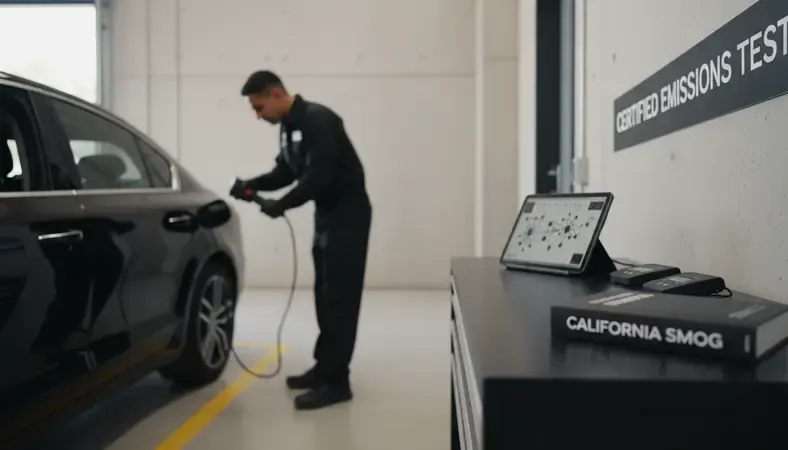
A California smog check is a state-mandated vehicle emissions test administered by the California Bureau of Automotive Repair (BAR). It measures the pollutants your vehicle emits — things like hydrocarbons, carbon monoxide, and nitrogen oxides — and checks that your onboard diagnostic system is functioning correctly.
The test has two main components:
- Functional inspection: A technician checks your vehicle's emissions control equipment — catalytic converter, gas cap, and related components — to confirm everything is present and intact.
- OBD-II scan (for 2000 and newer vehicles): Your car's onboard diagnostic computer is plugged into directly. Any stored fault codes related to emissions systems will trigger a failure.
Older vehicles (pre-2000) may undergo a tailpipe emissions test instead, where a probe is inserted into the exhaust to measure actual emissions output.
The California smog check program exists because California has some of the strictest air quality standards in the United States. The California Air Resources Board estimates that vehicle emissions account for roughly 40% of the state's smog-forming pollutants. The program has been running since 1984 and has measurably reduced vehicle-related air pollution across the state.
Key Insight: A smog check isn't just a bureaucratic hurdle — it's the primary mechanism California uses to keep millions of aging vehicles from degrading air quality in densely populated areas like the Bay Area, Los Angeles, and the Central Valley.
Who Needs a Smog Check in California?
Most California vehicle owners need a smog check to renew their registration. Here's who is required to get one:
- Owners of gasoline-powered vehicles 1976 or newer
- Diesel-powered vehicles 1998 or newer with a gross vehicle weight rating of 14,000 lbs or less
- Vehicles registered in smog check program counties (most of the state)
- Vehicles being sold or transferred (with some exceptions)
If you're buying a used car from a private seller, the seller is typically responsible for providing a valid smog certificate — one issued within 90 days of the sale. Dealerships handle this differently and are generally required to sell smog-compliant vehicles.
The DMV sends a smog check notice with your registration renewal. If your vehicle is flagged, you must get a passing smog certificate before the DMV will process your renewal.
How Often Do You Need a California Smog Check?
Most vehicles in California require a smog check every two years. The DMV cycles these on a biennial schedule tied to your registration renewal.
There's one common exception: vehicles in their first eight years of model life are exempt. So a 2023 model year vehicle won't need its first smog check until the 2031 registration cycle. This exemption covers the period when vehicles are statistically most likely to be emissions-compliant.
Once a vehicle hits that eight-year mark, it enters the regular smog check cycle and stays there indefinitely — regardless of how well-maintained it is.
Change of Ownership
When a vehicle changes hands, a smog check is typically required regardless of where it falls in the two-year cycle. The only exceptions are transfers between certain family members and a few other narrow situations defined by the DMV.
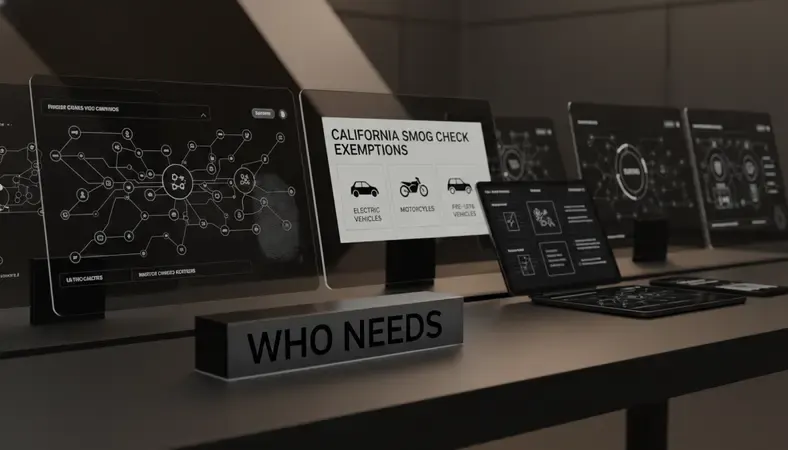
What Vehicles Are Exempt from Smog Checks?
Not every vehicle on California roads needs a smog check. Here's a clear breakdown:
Smog Check Exemption Reference
| Vehicle Type | Exemption Status | Notes |
|---|---|---|
| Model year 1975 and older | Fully exempt | Pre-program vehicles |
| Electric vehicles (EVs) | Fully exempt | No combustion emissions |
| Hybrids (gasoline-electric) | Required | Treated like gasoline vehicles |
| New vehicles (first 8 years) | Exempt | Based on model year |
| Diesel vehicles over 14,000 lbs | Exempt | Heavy-duty exemption |
| Natural gas vehicles over 14,000 lbs | Exempt | Heavy-duty exemption |
| Motorcycles | Exempt | Not part of the program |
| Trailers | Exempt | No engine |
If your vehicle falls into an exempt category, the DMV will note it on your renewal notice and you won't be required to submit a smog certificate.
How to Pass a California Smog Check
Failing a smog check is frustrating, but most failures are preventable. Here's what you can do to give your vehicle the best chance of passing.
Before the Test
-
Fix any dashboard warning lights: A check engine light is an automatic failure. The OBD-II system will flag any active fault codes, so address these before you go in. A mechanic can read the codes for free at most auto parts stores.
-
Drive the vehicle beforehand: Cold starts can cause incomplete readiness monitors — the onboard systems that confirm emissions components have been tested. Drive your car for at least 20–30 minutes before your appointment, including some highway speeds.
-
Check your gas cap: A loose or cracked gas cap causes evaporative emissions failures. It's one of the cheapest fixes and one of the most common failure points.
-
Avoid a recent battery disconnect: Disconnecting your battery resets the OBD-II readiness monitors. If your monitors aren't complete, you'll fail even if nothing is mechanically wrong. After a battery replacement, drive the car through several complete warm-up and cool-down cycles before testing.
-
Use fresh fuel: A tank that's too full or nearly empty can interfere with the evaporative system test. Aim for roughly half a tank.
At the Station
The california smog check itself takes about 15–20 minutes for most vehicles. You'll hand over your keys, the technician connects the OBD-II scanner and performs the visual inspection, and you'll receive a printed report showing pass or fail.
If you fail, the report will tell you exactly which systems or components triggered the failure. That information is your repair roadmap.
The Consumer Assistance Program (CAP)
If your vehicle fails and repairs are costly, California's Consumer Assistance Program may help. Income-eligible owners can receive up to $1,200 in repair assistance. Vehicles that can't be repaired cost-effectively may qualify for a retirement payment instead. Check the BAR website for current eligibility requirements.
Where to Get a California Smog Check
California smog checks are performed at licensed smog stations. There are two types:
- Test-Only stations: These stations only perform the inspection — they cannot do repairs. If your vehicle fails, you take it elsewhere to fix it and return for a retest. Test-Only stations are generally considered more objective since they have no financial incentive to pass or fail vehicles.
- Test-and-Repair stations: These stations can both test and repair your vehicle. Convenient if you need work done, but make sure you understand the cost of any recommended repairs before authorizing them.
Some vehicles are directed to STAR-certified stations by the DMV. STAR stations meet higher performance standards set by the BAR and are required for vehicles flagged as high-emitters or directed vehicles. If your renewal notice says your vehicle must go to a STAR station, a regular smog station cannot complete your test.
You can find licensed smog stations — including STAR-certified locations — through the BAR's online station locator at bar.ca.gov.
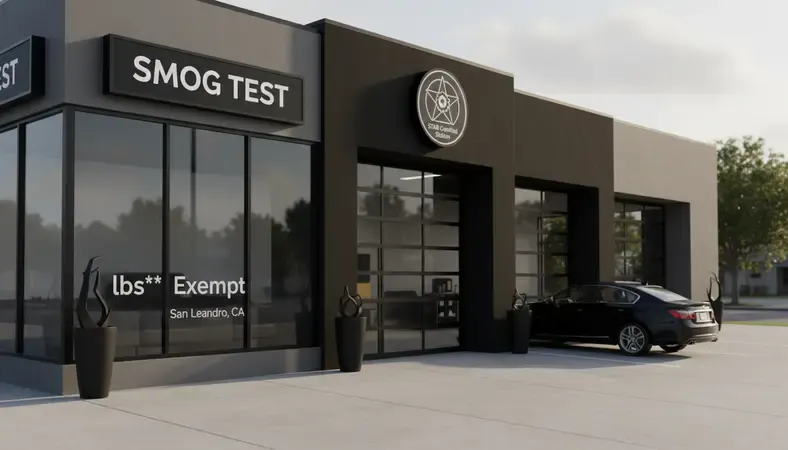
If you're in the San Leandro area, Speedy Smog is a STAR-certified station that handles most vehicles in under 15 minutes. You can make an appointment in advance to avoid waiting.
How Much Does a California Smog Check Cost?
Smog check pricing varies by station, vehicle type, and location. The state does not set a fixed price for the inspection itself — stations set their own rates.
Typical Cost Factors
| Factor | Impact on Cost |
|---|---|
| Vehicle type | Diesel and older vehicles may cost more |
| Station type | Test-Only vs. Test-and-Repair pricing varies |
| Geographic area | Urban stations often charge more |
| STAR certification | STAR stations may have slightly different pricing |
In addition to the station's fee, California charges a smog abatement fee of $20 and a smog transfer fee of $8 for most vehicles during registration. These are collected by the DMV, not the smog station.
Some stations offer smog check coupons or discounts — it's worth checking before you go. Speedy Smog in San Leandro offers a $25 savings, which you can access by calling (510) 614-7664 before your visit.
If your vehicle fails and you spend over a certain threshold on repairs at a licensed station, you may be eligible for a repair cost waiver — this allows you to register your vehicle even if it still doesn't pass, as long as you've made a good-faith effort to fix it. The current repair cost threshold for a waiver is set by the BAR and updated periodically.
Common Questions About California Smog Checks
What happens if my car fails a California smog check?
You'll receive a Vehicle Inspection Report detailing which systems failed. You're not required to repair it at the station that tested it — you can take the report to any licensed repair shop. Once repairs are complete, you return for a retest. Most stations offer a free or reduced-cost retest within a set period if you had your repairs done at their shop.
Can I get a smog check waiver if repairs are too expensive?
Yes. California offers a repair cost waiver through the BAR. If you've spent the required minimum on qualifying repairs at a licensed station and your vehicle still fails, you may be eligible to register it anyway. The waiver doesn't exempt you from future smog checks — it just covers the current cycle. Income-eligible owners should also check the Consumer Assistance Program for repair cost assistance.
Do I need a smog check if I just bought a used car?
If you purchased from a private seller, the seller should have provided a smog certificate issued within 90 days of the sale. If they didn't, you may need to get one before registering the vehicle in your name. If you bought from a licensed dealer, the dealer is responsible for smog compliance at the time of sale. Check your paperwork and confirm with the DMV if you're unsure.
What is a STAR-certified smog station?
A STAR-certified smog station meets enhanced performance and quality standards set by the California BAR. The DMV directs certain vehicles — typically those flagged as high-emitters or with a history of failures — to STAR stations only. If your renewal notice specifies a STAR station, a non-STAR smog station cannot legally complete your inspection.
Does a smog check affect my car insurance?
No. A California smog check is a registration requirement only. It has no connection to your insurance policy, rates, or coverage.
Can I drive my car if it failed a smog check?
Yes — a failed smog check doesn't make your vehicle illegal to drive. It does mean you can't renew your registration until you either pass a retest or qualify for a waiver. Driving with expired registration has its own consequences, so address the failure promptly.
Final Thoughts
A California smog check is one of those things that's easy to handle when you know what to expect. Fix any warning lights beforehand, drive the car to warm it up, and bring it to a certified station. Most vehicles pass without any issues.
Book your smog check at Speedy Smog in San Leandro — STAR certified, most vehicles done in under 15 minutes, open 6 days a week. Save $25 by calling (510) 614-7664 before you come in. Ready to get started? Visit Speedy Smog to learn more.
An emissions test — sometimes called a smog check — measures the pollutants your vehicle releases into the air. If your car, truck, or SUV produces too much, it won't pass. And in many states, that means no registration renewal until it does.
If you've just received a notice to get tested, or you're not sure whether your vehicle qualifies, you're in the right place. This guide covers exactly what the emissions test involves, how to prepare, what happens if you fail, and where to get it done.
What Is an Emissions Test?
An emissions test is an inspection that measures the exhaust output of your vehicle's engine. The goal is to confirm your car isn't releasing harmful pollutants — like hydrocarbons, carbon monoxide, and nitrogen oxides — above legally allowed limits.
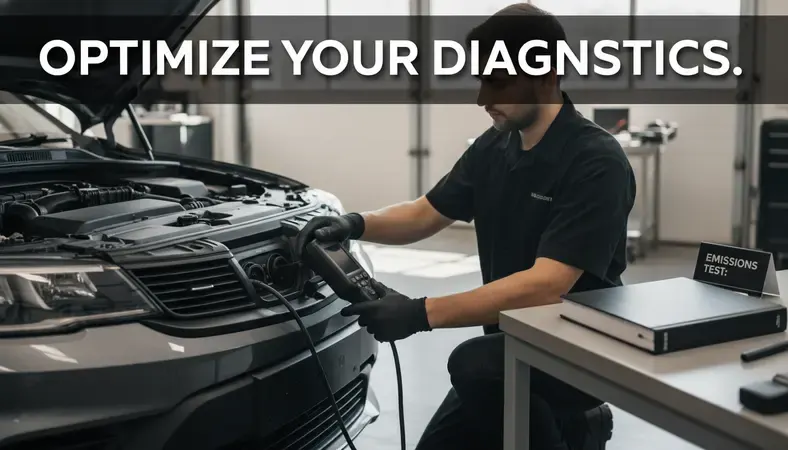
The test itself is straightforward. A certified technician either plugs a diagnostic scanner into your car's onboard computer (called the OBD-II port) or connects your exhaust pipe directly to an analyzer. The equipment reads what's coming out of your engine and compares it against the state's standards.
You'll also hear this called a smog check, smog test, or vehicle emissions test. They all refer to the same process, just with different names depending on where you live. California uses "smog check," Colorado uses "emissions test," and Arizona runs its program through the ADEQ vehicle emissions testing station network. Different names, same core inspection.
What the Test Actually Measures
| Pollutant | What It Is | Why It's Regulated |
|---|---|---|
| Hydrocarbons (HC) | Unburned fuel particles | Form smog and irritate lungs |
| Carbon Monoxide (CO) | Colorless, odorless gas | Toxic; replaces oxygen in blood |
| Nitrogen Oxides (NOx) | Reactive gases from combustion | Cause smog and acid rain |
| Carbon Dioxide (CO₂) | Greenhouse gas | Contributes to climate change |
| Particulate Matter | Tiny soot particles | Damage lungs and airways |
The acceptable limits for each pollutant vary by state and by your vehicle's model year and weight class. Newer vehicles are held to tighter standards.
Why Are Emissions Tests Required?
The short answer: air quality. Vehicle exhaust is one of the largest sources of air pollution in the United States, and without mandatory testing, there's no reliable way to catch vehicles that are polluting far above normal levels.
The Clean Air Act gives states authority to set their own vehicle inspection and maintenance programs. States in areas that fail to meet federal air quality standards — places like the Los Angeles Basin, the Denver metro area, and the Phoenix metro area — are required to run emissions testing programs. States that already meet air quality standards generally don't require it.
Here's a fact that puts the scale in perspective: a single malfunctioning vehicle can emit 10 to 100 times more pollution than a properly functioning one of the same model. Emissions testing exists to find those outliers and get them fixed.
Beyond air quality, there's a secondary benefit. A failing emissions test often points to an underlying engine problem — a faulty oxygen sensor, a clogged catalytic converter, or a misfiring cylinder. Catching these issues early usually saves money compared to letting them worsen.
How Often Do You Need an Emissions Test?
This depends entirely on your state and, in some cases, your county within that state.
Most states that require emissions testing follow one of these schedules:
- Every two years — the most common schedule, typically tied to vehicle registration renewal
- Annually — required in some states and certain high-pollution counties
- One-time inspection — some states only require testing when a vehicle is newly registered or changes ownership
Your vehicle's age also matters. In California, for example, vehicles manufactured before 1976 are exempt. Most states exempt vehicles under a certain age (often 2 to 4 years old) because new cars are assumed to be within compliance. Classic or antique vehicles often have separate exemptions as well.
The best way to know your schedule: check your registration renewal notice. Most states print the emissions test requirement directly on it, including whether your specific vehicle needs one and by what date.
Key Insight: If you recently moved to a new state, don't assume your old state's rules apply. Emissions requirements vary significantly — some counties within a state require testing while neighboring counties don't.
What Happens During an Emissions Test?
Most emissions tests take 15 minutes or less. Here's what the process looks like from start to finish.
Step 1: Check-In and Vehicle Identification
When you arrive, the technician records your vehicle's make, model, year, and VIN (Vehicle Identification Number). They'll also check that your vehicle is the one listed on your registration.
Step 2: Visual Inspection
The technician does a quick visual check. They're looking at whether your check engine light is on, whether the gas cap seals properly, and whether any visible emissions components — like the catalytic converter — appear to be present and intact.
Step 3: OBD-II Scan or Tailpipe Test
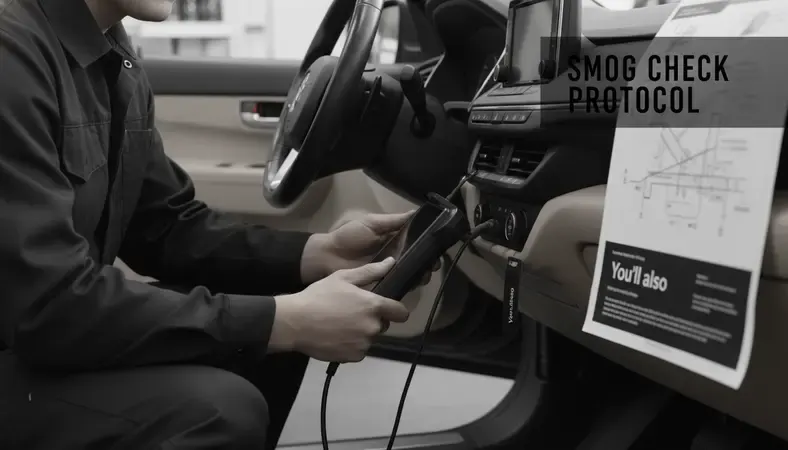
For most vehicles made after 1996, the test is an OBD-II scan. The technician plugs a reader into the diagnostic port (usually under the dashboard on the driver's side) and pulls the data your car's computer has been collecting. If your vehicle's monitors show "ready" and no fault codes are stored, you pass this portion.
Older vehicles — typically those made before 1996 — go through a tailpipe test instead. A probe is inserted into the exhaust pipe while the engine runs, and the analyzer directly measures what's coming out.
Step 4: Results
You receive a printed report showing your vehicle's readings versus the allowable limits. Pass means you're done. Fail means the report will identify which readings exceeded the standard, giving a starting point for repairs.
How to Prepare Your Vehicle for an Emissions Test
You don't need to do anything elaborate. But a few simple steps can improve your chances of passing — especially if your vehicle is older or hasn't been serviced recently.
Before your appointment:
- Fix any check engine light issues first. A check engine light is an automatic fail in most states. Get the fault code read (many auto parts stores do this free) and address the cause before your test.
- Drive at highway speeds for 15–20 minutes beforehand. This warms the engine fully and helps the catalytic converter reach operating temperature. Cold engines don't burn fuel as cleanly.
- Don't disconnect the battery. This resets your car's OBD-II monitors to "not ready" status, which causes an automatic fail. If your battery was recently disconnected, drive the car for several days through a mix of city and highway driving before testing.
- Check your gas cap. A loose or cracked gas cap causes evaporative emissions failures. Tighten it or replace it — a new gas cap costs under $20.
- Make sure your tires are properly inflated. Some dynamometer-style tests (where your car drives on rollers) require proper tire pressure for accurate readings.
If your vehicle is due for an oil change or tune-up, handle that before the test. Fresh oil and new spark plugs help the engine run cleaner.
What If Your Vehicle Fails the Emissions Test?
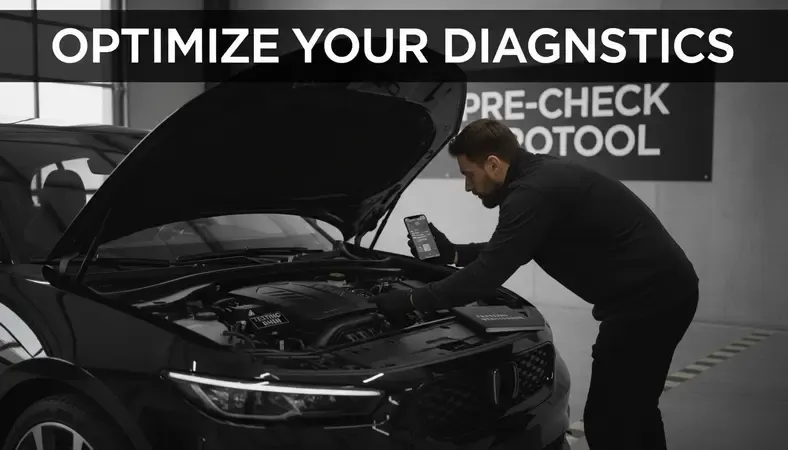
Failing doesn't mean you're stuck. It means something needs to be repaired. The test report will tell you which readings were out of range, which gives a mechanic a clear starting point.
Common reasons vehicles fail:
- Faulty oxygen sensor — affects the air-fuel mixture, causing excess hydrocarbons or CO
- Failed catalytic converter — the converter breaks down pollutants; when it fails, emissions spike
- Misfiring engine — unburned fuel exits through the exhaust, causing hydrocarbon failures
- EVAP system leak — a leak in the evaporative emissions system triggers OBD failures
- EGR valve issues — the exhaust gas recirculation valve controls NOx; when stuck, NOx levels rise
After repairs, you return for a retest. Most states offer a reduced-cost or free retest within a set window — often 30 to 60 days — after an initial failure.
Cost Assistance Programs
If your vehicle fails and the repair costs are high, many states have financial assistance programs. California's Consumer Assistance Program offers repair assistance up to $500 for income-qualifying owners, and a retirement assistance option if the vehicle is beyond economical repair. Arizona and Colorado have similar programs. Check your state's DMV or air quality agency website for details.
What If You Can't Afford the Repairs?
Most states have a "waiver" option. If you've spent a minimum amount on repairs (often $150 to $450 depending on the state) and the vehicle still doesn't pass, you can apply for a compliance waiver that allows registration renewal for one cycle. You'll need documentation of the repair costs.
Emissions Test Cost and Where to Get Tested
What Does an Emissions Test Cost?
Emissions test fees vary by state and station type. The fee is typically set or capped by the state, so you won't see dramatic price differences between stations. Expect to pay somewhere in the range set by your state's regulatory authority — check your DMV's website for the current fee schedule in your area.
Some stations — like Jiffy Lube emissions test locations in states where they're licensed — offer convenience-focused testing alongside other services. STAR-certified stations in California are authorized to test and repair vehicles that have been directed to a STAR station by the state.
Where to Find an Emissions Test Near You
- Your state's DMV website — most have a station locator tool
- Search "emissions close to me" or "smog check near me" in Google Maps — look for state-licensed stations
- Your registration renewal notice — often lists nearby authorized stations
- ADEQ vehicle emissions testing station locator (Arizona) — available at the Arizona DEQ website
When choosing a station, look for:
- State certification (STAR certification in California; equivalent in other states)
- Clear posted fees
- Estimated wait times — many stations post these online or by phone
If you're in the San Leandro area, Speedy Smog is a STAR-certified station with most vehicles completed in under 15 minutes.
Common Questions About Emissions Tests
Does my vehicle need an emissions test every year?
Not necessarily. Most states require testing every two years, tied to registration renewal. Some states or counties require annual testing. Vehicles under a certain age (typically 2–4 years) are usually exempt. Check your registration renewal notice — it will specify whether your vehicle needs a test and when.
Can I drive my car if it fails the emissions test?
Yes. A failed emissions test doesn't immediately prevent you from driving. It prevents you from renewing your registration until you pass or receive a waiver. You have a window — typically 30 to 60 days depending on your state — to make repairs and retest.
What does "OBD not ready" mean?
Your vehicle's onboard computer runs self-diagnostic tests called monitors. When you disconnect the battery or clear fault codes, these monitors reset to "not ready." Most states require all or nearly all monitors to show "ready" before the vehicle can pass. If yours shows "not ready," drive the car for several days through varied conditions before retesting.
Does a smog check test the same thing as a safety inspection?
No. These are separate inspections. A smog check (emissions test) measures air pollution output. A safety inspection checks mechanical condition — brakes, lights, tires, steering. Some states require both; others require only one or neither. Check your state's DMV requirements.
How long does an emissions test take?
Most emissions tests take 10 to 20 minutes for a straightforward pass. If additional checks are needed, it may take slightly longer. Arriving without a long wait at the station is the bigger time variable — some stations let you make an appointment to avoid waiting.
Is there a way to tell if my car will pass before going in?
You can get a rough sense by using an OBD-II scanner (available at auto parts stores or as a phone-connected device). If no fault codes are stored and your monitors show "ready," your car is likely to pass. A check engine light is the clearest sign it won't — address that first.
Conclusion
An emissions test is a routine part of vehicle ownership in most states — straightforward when your car is running well, and a useful diagnostic signal when it isn't. Warm up the engine, fix any check engine lights beforehand, and you'll be in and out quickly.
Pass your emissions test fast at Speedy Smog in San Leandro — STAR certified, most vehicles done in under 15 minutes, open 6 days a week. Call (510) 614-7664 to make an appointment and save $25 on your smog check.
Your vehicle registration renewal just arrived, and it requires a smog check. Now you're searching for emissions testing closest to me — and you want it done fast, without driving across town or sitting in a long queue.
Finding the right emissions testing station nearby doesn't have to be complicated. This guide covers how to locate the closest emissions testing facility, what to bring, what happens during the test, and how to schedule your appointment — so you can get in, get checked, and get back on the road.
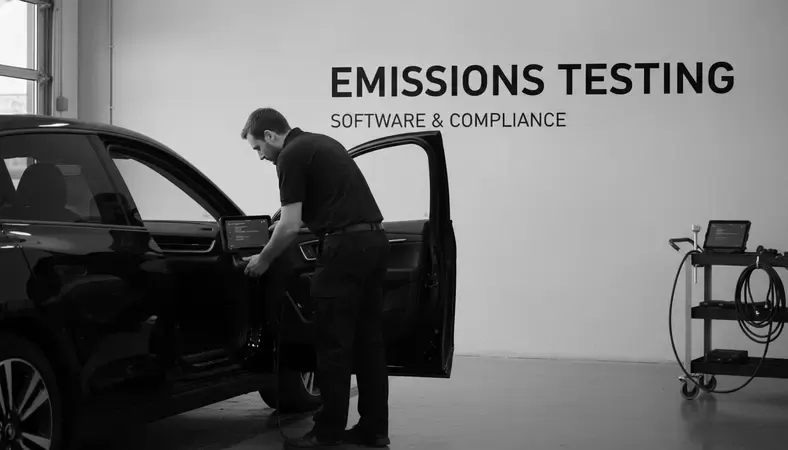
Emissions Testing Centers Near Me
Emissions testing closest to me is a search that pulls up dozens of results — but not all stations are equal. In California, the Bureau of Automotive Repair licenses and oversees smog check stations, and there are two distinct types you'll encounter.
STAR vs. Regular Smog Stations
The California Smog Check program designates certain stations as STAR certified. This matters more than most drivers realize.
Smog Station Types Compared
| Station Type | Who Can Use It | DMV Renewal Eligible | Repair Authorization |
|---|---|---|---|
| STAR Certified | All vehicles, including directed vehicles | Yes | Yes |
| Regular Station | Most vehicles (not DMV-directed) | Limited | Yes |
| Test-Only Station | All vehicles, no repairs performed | Yes | No |
| Gold Shield Station | Low-income vehicle owners | Yes | Subsidized |
STAR certified stations can test and certify any vehicle — including those the DMV specifically directs for testing. If your registration notice says "smog check required at a STAR station," a regular shop won't satisfy that requirement. Always check your DMV notice before choosing a location.
When searching for emissions testing closest to me, look for STAR-certified stations in your area. Speedy Smog in San Leandro is STAR certified and accepts all vehicle types, including DMV-directed vehicles.
How to Find the Closest Emissions Testing Location
The fastest ways to locate a closest emissions testing station are straightforward. Here are your best options:
-
Use the BAR Station Locator: The Bureau of Automotive Repair offers an official station finder at bar.ca.gov. Enter your zip code to see licensed stations near you, filter by STAR status, and verify hours.
-
Search Google Maps: Type "smog check near me" or "emissions testing closest to me" in Google Maps. Results show ratings, hours, and distance. Check reviews specifically mentioning wait times and pass rates.
-
Check Your DMV Notice: Your renewal notice sometimes lists recommended stations. If you're a directed vehicle, this step is mandatory — you must use a STAR or Test-Only station.
-
Call Ahead: Even if a station shows up as nearby, call to confirm they test your vehicle type. Some stations specialize in specific makes or don't handle diesel vehicles.
-
Look for Walk-In Availability: Many emissions testing stations accept walk-ins, but wait times vary. Calling ahead or booking online saves significant time.
Key Insight: STAR-certified stations can legally test any California vehicle. If you're unsure which station type your DMV notice requires, a STAR station is always the safe choice — it satisfies every requirement.
For drivers in the San Leandro area, Speedy Smog handles most vehicles in under 15 minutes. You can find them at speedysmogchecksanleandro.com or call (510) 614-7664 to confirm availability before you drive over.
What to Expect During Emissions Testing
If you've never had a smog check before — or it's been a few years — here's exactly what happens when you pull into a closest emissions testing facility.
The Testing Process, Step by Step
-
Check-in: You hand over your vehicle registration and ID. The technician enters your vehicle information into the state system.
-
Visual inspection: The technician checks that your vehicle's emissions control components are physically present and unmodified. This includes the catalytic converter, gas cap, and visible hoses.
-
OBD-II scan (1996 and newer vehicles): A diagnostic scanner plugs into your vehicle's OBD-II port (usually under the dashboard). It reads your car's onboard computer for any stored fault codes or readiness monitors that haven't completed.
-
Tailpipe test (older vehicles): Pre-1996 vehicles undergo a tailpipe emissions test, where a probe measures actual exhaust output.
-
Functional inspection: The technician checks that your check engine light operates correctly and that the gas cap seals properly.
-
Results: Pass or fail results are transmitted electronically to the DMV. You receive a printed certificate if you pass. The whole process takes about 15 minutes for most modern vehicles.
What Causes a Fail?
Common reasons vehicles fail emissions testing closest to me locations include:
- Check engine light on: Any active fault code will trigger a fail. Even minor issues like a loose gas cap can cause this.
- Incomplete readiness monitors: If your battery was recently disconnected or reset, your car's monitors may not have completed their self-checks.
- Catalytic converter failure: A failing or missing catalytic converter almost always causes a fail.
- Evaporative system leaks: Leaks in the fuel vapor system are a frequent culprit in modern vehicles.
- High tailpipe emissions (older vehicles): Worn engine components or a rich fuel mixture can push emissions above legal limits.
If your vehicle fails, you'll receive a Vehicle Inspection Report explaining why. Many emissions testing stations that also offer repairs can diagnose and fix the issue on the same visit.
Hours and Appointment Availability
Hours vary by station, but most emissions testing closest to me locations operate six days a week. Many are open Monday through Saturday, typically from early morning through late afternoon.
Here's what to know about scheduling:
- Walk-in availability: Many stations accept walk-ins, but busy times — typically weekday mornings and lunch hours — can mean longer waits.
- Appointment scheduling: Booking ahead guarantees your slot and cuts wait time significantly. Most modern stations offer online booking or phone scheduling.
- Seasonal demand: Smog check demand spikes at the end of each month when registration renewals cluster. Mid-month, mid-week visits tend to be faster.
- Sunday closures: A significant number of stations are closed Sundays. Always confirm hours before making the trip.
Speedy Smog is open six days a week and offers appointment scheduling. You can Make an Appointment directly through speedysmogchecksanleandro.com or call (510) 614-7664 to find an available slot that fits your schedule.
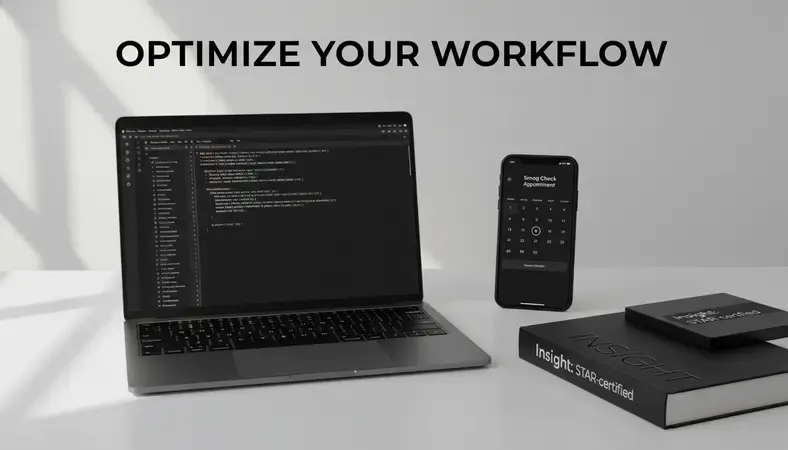
Cost of Emissions Testing
The cost of emissions testing varies by station, vehicle type, and whether your vehicle is a directed vehicle requiring a STAR station. Contact your local station for a personalized quote, as pricing depends on your specific vehicle and situation.
A few factors that affect what you'll pay:
- Vehicle type: Diesel vehicles, motorhomes, and older vehicles may have different testing requirements and associated costs.
- STAR vs. regular station: STAR stations may charge differently than basic test-only stations.
- Retest fees: If your vehicle fails and you return for a retest after repairs, many stations offer reduced retest pricing.
- Consumer Assistance Program: California's Consumer Assistance Program offers repair assistance to income-qualifying vehicle owners whose cars fail smog. This can cover a significant portion of repair costs.
Speedy Smog offers competitive pricing and is currently running a $25 savings offer — call (510) 614-7664 for details before your visit.
Required Documents and Vehicle Information
Showing up prepared makes the emissions testing process faster for everyone. Before heading to the closest emissions testing station, gather the following:
- Current vehicle registration: The technician needs this to pull up your vehicle in the state system. Your DMV renewal notice works too.
- Government-issued ID: A driver's license or state ID confirms your identity.
- Vehicle itself: The car, truck, or SUV being tested must be present — no exceptions.
What the Technician Will Need to Know
| Information | Why It's Needed |
|---|---|
| License plate number | Pulls up vehicle history in the BAR system |
| VIN (Vehicle ID Number) | Confirms vehicle identity and test requirements |
| Vehicle year/make/model | Determines which test protocol applies |
| Odometer reading | Recorded as part of the official test record |
One thing many drivers overlook: make sure your check engine light is not on before arriving. An illuminated check engine light is an automatic fail, regardless of what's causing it. If your light is on, get the fault code read first — many auto parts stores do this for free — so you know whether it's a simple fix or something more involved.
How to Schedule Your Emissions Test Online
Booking emissions testing closest to me online is the most efficient way to avoid wait times. Here's how the process typically works:
-
Find a STAR-certified station: Use the BAR locator or search Google Maps to identify the closest emissions testing facility that fits your schedule.
-
Visit the station's website: Most modern smog stations have online booking. Look for a "Schedule" or "Book Appointment" button.
-
Select your date and time: Choose a slot that works for you. Mid-week mornings tend to have the most availability.
-
Enter your vehicle information: You'll typically provide your plate number, make, model, and year. This helps the station prepare for your specific vehicle type.
-
Confirm your appointment: You'll receive a confirmation by email or text. Save this — some stations ask you to show it at check-in.
-
Arrive a few minutes early: Give yourself 5–10 minutes before your appointment to check in and get your paperwork ready.
For Speedy Smog in San Leandro, you can Make an Appointment at speedysmogchecksanleandro.com or call (510) 614-7664. Most vehicles are in and out in under 15 minutes.
Common Questions About Emissions Testing
How do I know if my vehicle needs an emissions test?
Your DMV registration renewal notice will indicate whether a smog check is required. In California, most vehicles model year 1976 and newer require a smog check every two years. Vehicles eight years old or newer, electric vehicles, and diesel vehicles under a certain weight are typically exempt. Your renewal notice is the definitive source — check it before assuming you're exempt.
What happens if my car fails emissions testing closest to me?
A failed smog check means your vehicle exceeded allowable emissions limits or had a system fault. You'll receive a Vehicle Inspection Report listing the reasons for failure. You have 30 days to make repairs and return for a retest. If the repair costs are high, California's Consumer Assistance Program may provide financial assistance to qualifying owners. Some STAR stations can perform both the test and necessary repairs in one visit.
Can I drive my car after it fails a smog check?
Yes — failing a smog check doesn't make your vehicle illegal to drive immediately. You can still operate the vehicle while you arrange repairs. You cannot, however, renew your registration until the vehicle passes. Driving with expired registration carries its own fines, so don't delay repairs.
How long does an emissions test take?
Most modern vehicles (1996 and newer) take about 10–15 minutes for the full OBD-II scan and inspection. Older vehicles requiring a tailpipe test may take slightly longer. STAR-certified stations like Speedy Smog are set up to move vehicles through efficiently — walk-in wait times vary, but appointments typically mean you're in and out within 20–30 minutes total.
Does it matter which emissions testing station I use?
Yes, it matters if your DMV notice directs you to a specific station type. If your notice says "STAR station required," a non-STAR shop cannot certify your vehicle. If you have no restriction, any licensed station works — but STAR stations handle all vehicle types, so they're always a safe choice. Check ratings and reviews when choosing between stations at similar distances.
What if I recently had repairs done — will that affect my smog test?
Recent repairs can affect your test if your battery was disconnected during the repair process. Disconnecting the battery resets your vehicle's onboard monitors, which need to run through specific drive cycles before they're ready. A vehicle with incomplete monitors will fail even if the underlying problem is fixed. Drive your vehicle normally for a few days after repairs before heading to the closest emissions testing station.
Key Takeaways
Most vehicles pass emissions testing in under 15 minutes when they arrive prepared — registration in hand, no check engine light, and monitors complete. Choosing a STAR-certified station covers every vehicle type and DMV requirement.
Book your smog check at Speedy Smog in San Leandro — STAR certified, most vehicles done in under 15 minutes, open 6 days, with $25 in current savings when you call (510) 614-7664. Ready to get started? Visit Speedy Smog to learn more.
California requires a smog check for most vehicles every two years — and if you've ever missed the deadline, you know the DMV won't let you renew your registration until you pass one. It's one of those things that feels like a hassle until you understand what it actually does and how easy it is to get done.
This guide covers everything you need to know: what a smog check tests, which vehicles need one, how often, what it costs, and how to make sure you pass the first time.
What Is a Smog Check?
A smog check is an emissions inspection that measures the pollutants your vehicle releases into the air. Technicians connect diagnostic equipment to your car and test the exhaust output against state-mandated limits. If your vehicle's emissions fall within the acceptable range, you pass. If not, you'll need repairs before you can register.
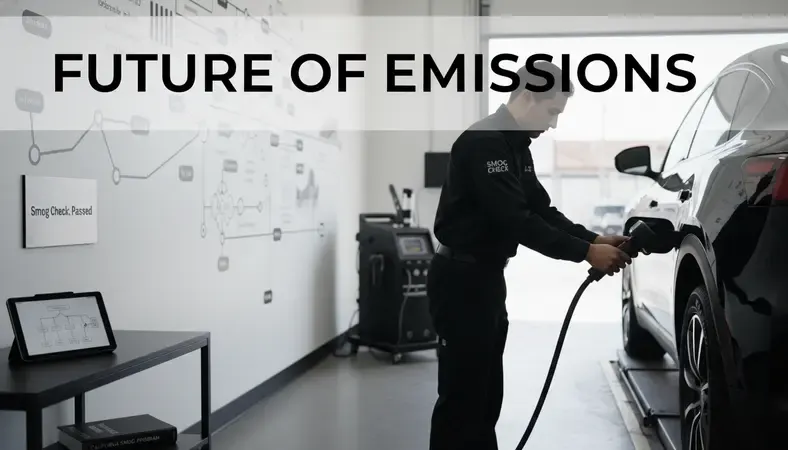
California's smog check program is administered by the Bureau of Automotive Repair (BAR), a state agency under the Department of Consumer Affairs. The program has been running since 1984 and is one of the most rigorous vehicle emissions testing programs in the United States.
The test itself typically takes 15 to 30 minutes. A STAR-certified station — the highest certification level in California — can handle both standard and directed inspections, including vehicles flagged by the DMV for enhanced testing.
Key Insight: California's smog check program has helped reduce vehicle-related smog-forming emissions by more than 80% since its launch, according to the California Air Resources Board (CARB).
Why Do I Need a Smog Check?
The short answer: it's the law in California, and you can't renew your vehicle registration without a passing smog certificate.
But there's a bigger picture here. Vehicle exhaust is a primary source of air pollution in urban areas. Nitrogen oxides (NOx) and hydrocarbons from cars react with sunlight to form ground-level ozone — the brown haze you see hanging over the Bay Area on hot days. That ozone causes respiratory problems, especially for children, the elderly, and people with asthma.
A smog check catches vehicles that are emitting far more pollutants than they should. A single malfunctioning vehicle can produce as much pollution as dozens of properly maintained cars. Regular testing ensures those vehicles get fixed before they do more damage.
For you personally, a failing smog check is also an early warning sign. If your car is producing excessive emissions, something is wrong — a faulty oxygen sensor, a bad catalytic converter, an EGR valve issue. Catching that early usually means a cheaper repair than waiting until the problem gets worse.
How Often Is a Smog Check Required?
For most vehicles in California, a smog check is required every two years, aligned with your vehicle registration renewal cycle.
There are a few exceptions worth knowing:
- New vehicles: Cars less than eight model years old are exempt from the biennial smog check requirement in California. So a 2022 model year vehicle won't need its first smog check until 2030 (or when it's sold, whichever comes first).
- Diesel vehicles: Diesel-powered vehicles 1998 and newer with a gross vehicle weight rating (GVWR) of 14,000 lbs or less require a smog check.
- Change of ownership: If you're buying or selling a vehicle, a smog check is typically required at the point of sale, regardless of when the last inspection occurred.
- Moving to California: If you're bringing a vehicle from out of state, you'll need a smog check before you can register it in California.
The DMV will notify you when your smog check is due as part of your registration renewal notice. Don't ignore it — driving with an expired registration is a ticketable offense.
What Vehicles Need a Smog Check?
Not every vehicle on the road requires a smog check. Here's a breakdown of what's required and what's exempt.
Smog Check Requirements by Vehicle Type
| Vehicle Type | Requirement | Notes |
|---|---|---|
| Gasoline vehicles (1976+) | Required every 2 years | Standard biennial inspection |
| Diesel vehicles (1998+, ≤14,000 lbs) | Required every 2 years | Must be tested at diesel-capable station |
| Hybrid vehicles | Required every 2 years | Treated same as gasoline vehicles |
| Electric vehicles (EVs) | Exempt | No tailpipe emissions |
| Motorcycles | Exempt | Not included in the program |
| Vehicles 8 model years or newer | Exempt | Covered by manufacturer warranty |
| Pre-1976 vehicles | Exempt | Too old for the program's equipment |
| Farm equipment/off-highway vehicles | Exempt | Not registered for road use |
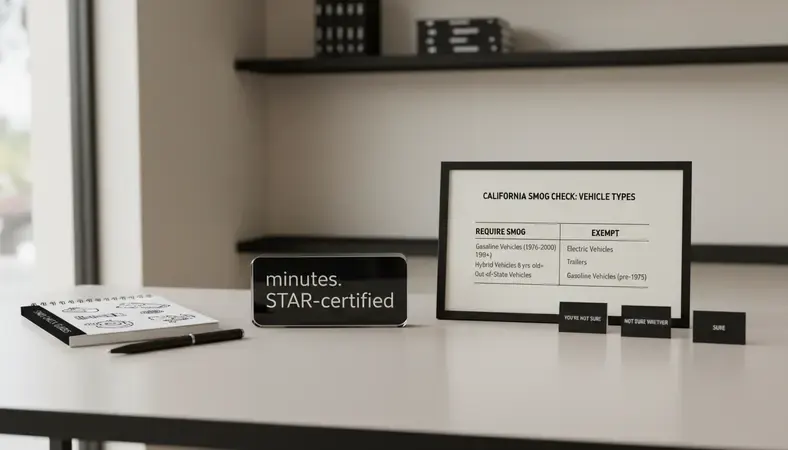
If you're not sure whether your specific vehicle needs a smog check, the California DMV's website lets you look up your registration status by license plate number.
How to Pass a Smog Check
Most vehicles in good working order pass without any issues. The smog check isn't designed to be a trap — it's measuring whether your car is operating the way it's supposed to.
Here's what actually gets tested and what you can do to give yourself the best shot at passing:
What the Test Measures
-
OBD-II system scan: For vehicles 2000 and newer, the technician plugs into your car's onboard diagnostic port. The system checks for any stored fault codes (those are the "check engine light" triggers). If your check engine light is on, you will not pass — period.
-
Visual inspection: The technician checks that required emissions components are present and haven't been tampered with. This includes the catalytic converter, EGR valve, and fuel cap.
-
Functional inspection: Components like the gas cap are tested to ensure they're sealing properly. A faulty gas cap can cause evaporative emissions failures.
-
Tailpipe emissions test (older vehicles): For pre-2000 vehicles, exhaust gases are measured directly using a probe inserted into the tailpipe.
Tips to Improve Your Chances
- Fix that check engine light first. This is the single most common reason vehicles fail. If the light is on, get the underlying issue diagnosed and repaired before booking your smog check.
- Drive your car before the test. A cold engine doesn't run at its optimal emissions profile. Drive at highway speeds for 15 to 20 minutes before your appointment. This ensures the catalytic converter is fully warmed up and operating at peak efficiency.
- Don't get a smog check right after an oil change. Fresh oil sometimes introduces unburned hydrocarbons into the exhaust briefly. Give it a few days.
- Check your tire pressure. This sounds unrelated, but underinflated tires affect how the dynamometer reads your vehicle during load testing.
- Make sure your gas cap is tight. A loose or cracked gas cap is a quick fail on the evaporative emissions portion of the test.
If your vehicle fails, you'll receive a Vehicle Inspection Report detailing exactly what didn't pass. You can then take that to a repair shop, get the issue fixed, and return for a retest.
Where to Get a Smog Check
You have two main options: a Test-Only station or a Test-and-Repair station.
- Test-Only stations are licensed exclusively to perform smog inspections. They cannot do repairs. Because they have no financial incentive to pass or fail your car (they don't make money on repairs), many drivers prefer them for an unbiased result.
- Test-and-Repair stations can both test and fix your vehicle. Convenient if you fail and need immediate repairs, but some drivers prefer to separate the testing and repair functions.
STAR-certified stations are a subset of both types that meet higher performance standards set by the Bureau of Automotive Repair. If the DMV has specifically directed your vehicle to a STAR station (noted on your renewal notice), you must go to a STAR-certified location — a regular smog station won't satisfy the requirement.
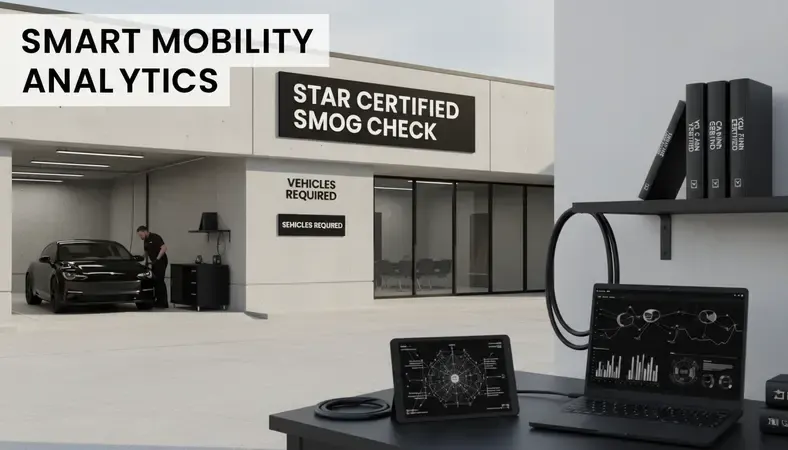
You can find certified smog stations through the California Bureau of Automotive Repair station locator. When you're searching, filter for STAR certification if your DMV notice requires it.
If you're in the San Leandro area, Speedy Smog is a STAR-certified station that handles most vehicles in under 15 minutes. You can make an appointment in advance to avoid waiting.
How Much Does a Smog Check Cost?
Smog check pricing in California varies by station and vehicle type. Pricing is not regulated by the state, so stations set their own fees — contact individual stations for a personalized quote.
A few things that can affect what you pay:
- Vehicle type: Diesel vehicles and larger trucks sometimes cost more to test than standard passenger cars.
- STAR certification: STAR stations may charge differently than non-STAR stations.
- Retest fees: If you fail and return to the same station within a specified period, many stations offer reduced-cost retests.
- Consumer Assistance Program (CAP): If your vehicle fails and you meet income eligibility requirements, California's CAP program may provide financial assistance for repairs or a vehicle retirement incentive. The Bureau of Automotive Repair administers this program.
The smog certificate fee — a state-mandated charge that goes to the BAR — is separate from the station's testing fee and is collected at the time of inspection.
Common Questions About Smog Checks
What happens if my car fails a smog check?
You'll receive a Vehicle Inspection Report listing the specific reasons for the failure. You're not required to repair at the same station — take the report to any licensed repair shop. Once repairs are complete, you return for a retest. If your vehicle continues to fail and repair costs are high, California's Consumer Assistance Program may provide financial help or a retirement option for older vehicles.
Can I drive my car if it fails a smog check?
Yes, a failed smog check doesn't make your car illegal to drive immediately. You can still operate the vehicle. The issue is that you won't be able to renew your registration until you pass. Driving with an expired registration is a separate violation.
How long is a smog certificate valid?
A California smog certificate is valid for 90 days from the date of the inspection. If you don't complete your registration renewal within that window, you may need to get another smog check.
Do I need a smog check if I just bought a used car?
If the seller provided a smog certificate issued within 90 days of the sale date, you're covered. If not, you'll need to get a smog check before you can register the vehicle in your name. The responsibility for providing a valid smog certificate at the point of sale falls on the seller.
What is a STAR-certified smog station?
STAR is the Bureau of Automotive Repair's highest certification level for smog stations. STAR stations are required to meet stricter performance and equipment standards than regular smog stations. If the DMV's renewal notice specifically states your vehicle must be tested at a STAR station, only a STAR-certified location will satisfy that requirement.
Does a smog check test everything about my car's health?
No. A smog check is specifically an emissions test — it measures what your vehicle is releasing into the air. It doesn't check brakes, tires, suspension, lights, or other mechanical systems. Think of it as one specific piece of your car's overall maintenance picture, not a comprehensive safety inspection.
Wrapping Up
A smog check is straightforward when your vehicle is properly maintained. Fix any check engine lights before your appointment, warm up the engine beforehand, and you'll likely be in and out in under 20 minutes.
Book your smog check at Speedy Smog in San Leandro — STAR certified, most vehicles done in under 15 minutes, open 6 days a week. Call (510) 614-7664 to schedule or visit speedysmogchecksanleandro.com to make an appointment.
A smog check is a required emissions test that measures the pollutants coming out of your vehicle's exhaust. If you drive in California, you've almost certainly dealt with one — and if you haven't yet, you will. Missing or failing a smog check can prevent you from renewing your vehicle registration, so understanding how it works saves you time and frustration.
This guide covers everything you need to know: what a smog check actually tests, which vehicles need one, how often to get it done, and what happens if your car doesn't pass.
What Is a Smog Check?
A smog check is an official emissions inspection required by the California Department of Motor Vehicles (DMV) to verify that your vehicle isn't releasing excessive air pollutants. The test measures harmful gases produced by your engine — including hydrocarbons, carbon monoxide, and nitrogen oxides — and compares them against state standards.
California's smog check program is administered by the Bureau of Automotive Repair (BAR), which sets the testing standards and certifies the stations allowed to perform inspections.
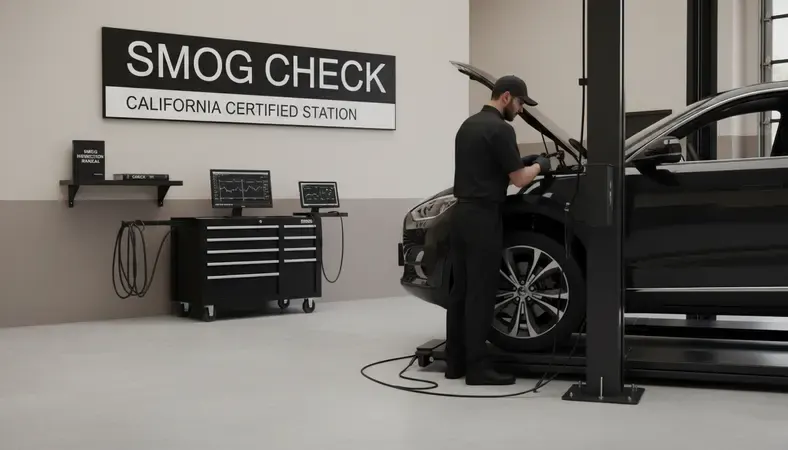
The name "smog check" comes from the visible air pollution — smog — that blanketed cities like Los Angeles for decades. California created the program in 1984 to reduce vehicle-related air pollution, which accounts for a significant portion of the state's greenhouse gas emissions. According to the California Air Resources Board, motor vehicles contribute roughly 80% of smog-forming pollutants in many California regions.
Modern smog checks use an OBD II (On-Board Diagnostics) scanner to read your vehicle's computer directly. This replaced older tailpipe probe tests for most vehicles. The scanner checks whether your engine management system has flagged any emissions-related faults, making the test faster and more accurate than older methods.
Key Insight: A smog check isn't just a bureaucratic hurdle — it's a direct reading of whether your car's emissions systems are functioning correctly. A failure often signals a real mechanical issue worth fixing.
Why Do I Need a Smog Check?
The short answer: California law requires it, and you can't renew your vehicle registration without a passing certificate.
But there's a bigger picture. Vehicle emissions are the largest single source of air pollution in California. The smog check program has helped reduce smog-forming emissions from passenger vehicles by more than 99% compared to uncontrolled vehicles, according to the California Air Resources Board. That's a measurable improvement in air quality that affects public health across the state.
From a practical standpoint, here's what happens if you skip it:
- You cannot renew your vehicle registration
- The DMV will flag your registration as expired
- Driving with an expired registration can result in a citation
- Unresolved smog issues can lower your vehicle's resale value
Beyond compliance, a smog check catches emissions-related problems early. A failing oxygen sensor or a clogged catalytic converter will show up in the smog check before it turns into a larger repair bill.
How Often Do I Need a Smog Check?
Most vehicles in California require a smog check every two years, timed to coincide with registration renewal. The DMV sends a renewal notice that indicates whether a smog check is required for that cycle.
Smog Check Frequency by Vehicle Type
| Vehicle Situation | Smog Check Requirement |
|---|---|
| Vehicles 1–7 years old | Exempt (no smog check required) |
| Vehicles 8+ years old | Every 2 years at renewal |
| Newly purchased used vehicle | Required at time of transfer |
| Vehicles moving into California | Required upon registration |
| Diesel vehicles (1998+) | Every 2 years |
| Hybrid vehicles | Every 2 years (same as gas) |
There's one important exception: brand-new vehicles and vehicles up to seven model years old are exempt from the biennial smog check requirement. However, when you buy a used vehicle — even a recent model — a smog check is typically required to complete the ownership transfer.
If you're moving to California from another state, expect to get a smog check when you register your vehicle here, regardless of whether it passed an inspection in your previous state.
What Vehicles Require a Smog Check?
Not every vehicle on California roads needs a smog check. Here's a clear breakdown of what's required and what's exempt.
Vehicles Required to Get a Smog Check
- Gasoline-powered vehicles model year 1976 and newer
- Diesel-powered vehicles model year 1998 and newer with a Gross Vehicle Weight Rating (GVWR) under 14,000 lbs
- Hybrid vehicles (gasoline-electric)
- Vehicles registered in most California counties (check your county's specific requirements)
Vehicles Exempt from Smog Checks
- Electric vehicles (EVs) — no combustion engine means no emissions to test
- Natural gas vehicles over 14,000 lbs GVWR
- Motorcycles
- Trailers
- Vehicles model year 1975 and older (these are managed under a separate program)
- New vehicles within their first 7 model years
It's worth noting that STAR-certified stations are required for vehicles flagged by the DMV as "directed" — meaning the state has specifically directed that vehicle to a higher-scrutiny station based on its emissions history. Not all smog stations are STAR certified, so if your registration notice says "STAR Station Required," you'll need to find one that qualifies.
How to Prepare Your Vehicle for a Smog Check
Most vehicles pass without any preparation. But if your car is borderline or you want to give it the best chance, a few simple steps can help.
Before You Go
-
Check your Check Engine light: If it's on, your vehicle will almost certainly fail. The OBD II scanner reads active fault codes, and a lit Check Engine light means at least one is present. Get the code read first — many auto parts stores do this free — and address the issue before testing.
-
Drive the vehicle for 20–30 minutes beforehand: Cold engines and incomplete drive cycles can cause the OBD II monitors to show as "not ready," which results in a failure or inconclusive test. Highway driving at steady speeds is ideal for completing readiness monitors.
-
Check your gas cap: A loose or cracked gas cap triggers an evaporative emissions fault. It's one of the most common — and easiest — smog check failures. Make sure it clicks tight when you close it.
-
Make sure tires are properly inflated: Smog check stations perform a brief visual inspection. Proper tire inflation is part of that check at some stations.
-
Don't overfill your gas tank: A full tank can interfere with evaporative emissions testing. Fill to about three-quarters before your appointment.
What You Don't Need to Do
You don't need to change your oil specifically for a smog check — oil condition doesn't directly affect the emissions test. You also don't need to buy any fuel additives or "smog check cleaners." These products rarely make a meaningful difference and aren't worth the cost.
What Happens During a Smog Check Test?
The actual test is straightforward and usually takes 15 minutes or less at a well-run station.
Here's what the technician does:
-
Visual inspection: The technician checks that your vehicle's emissions components are present and visibly intact — including the catalytic converter, fuel cap, and visible vacuum hoses.
-
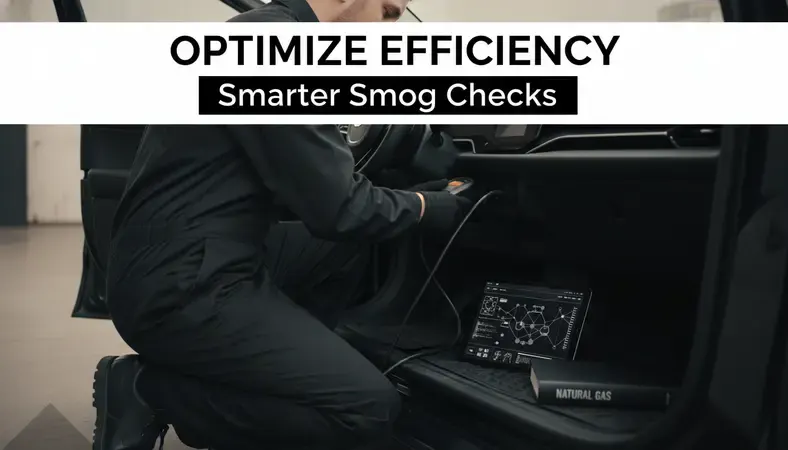
OBD II scan (vehicles 2000 and newer): A diagnostic scanner is plugged into your vehicle's OBD II port, usually located under the dashboard on the driver's side. The scanner reads whether any emissions-related fault codes are active and whether all readiness monitors have completed.
-
Functional inspection: The technician checks that the Check Engine light illuminates when the ignition is turned on (confirming the system works) and goes off when the engine starts.
-
Tailpipe test (older vehicles, 1999 and earlier): Older vehicles without OBD II systems go through a tailpipe probe test, where a sensor is inserted into the exhaust pipe to measure actual emissions output directly.
-
Results and certificate: If your vehicle passes, the station submits the results electronically to the DMV and gives you a certificate. You can then complete your registration renewal. If it fails, you receive a Vehicle Inspection Report explaining which components or readings caused the failure.
The entire process at a STAR-certified station like Speedy Smog typically runs under 15 minutes for most vehicles.
What If My Vehicle Fails the Smog Check?
Failing a smog check isn't the end of the road. Here's what to do next.
Understand Why It Failed
Your Vehicle Inspection Report will specify the reason for failure. Common causes include:
- Active fault codes (Check Engine light): An engine management system fault related to emissions
- Failed readiness monitors: The vehicle's computer hasn't completed its self-diagnostic cycle — often fixed by driving the vehicle through a specific drive cycle
- Failed catalytic converter: The catalytic converter is no longer reducing emissions effectively
- Evaporative emissions system leak: Often a gas cap issue or a cracked hose
- Failed oxygen sensor: Sensors that monitor exhaust composition aren't functioning correctly
Get the Repairs Done
Take your Vehicle Inspection Report to a licensed repair shop. Some smog stations offer repair services; others are test-only. Make sure you understand which type you're dealing with before assuming they'll fix the problem on-site.
The Consumer Assistance Program (CAP)
California offers financial assistance to qualifying low-income vehicle owners who fail a smog check. The Consumer Assistance Program provides repair assistance up to a set dollar amount, or a vehicle retirement option if the vehicle can't be economically repaired. Income limits and eligibility requirements apply.
Retest After Repairs
Once repairs are complete, you'll need to return for a retest. Many smog stations offer a free or reduced-cost retest within a set period after an initial failure — ask about this policy when you drop off your vehicle.
Common Questions About Smog Checks
How long does a smog check take?
A smog check typically takes 15 to 30 minutes at most stations. STAR-certified stations with modern equipment often complete the process in under 15 minutes for vehicles with no issues.
Can I get a smog check at any station, or does it need to be specific?
Most vehicles can go to any licensed smog station. However, if your DMV registration notice says "STAR Station Required," you must use a STAR-certified station. These stations meet higher state standards and are equipped to test vehicles flagged for additional scrutiny.
What happens if I can't afford the repairs after failing?
California's Consumer Assistance Program (CAP) offers repair assistance for income-qualifying vehicle owners. If repairs aren't economically feasible, the program also offers a vehicle retirement option with a cash payment. Contact the Bureau of Automotive Repair to check eligibility.
Does a smog check affect my car's warranty?
No. A smog check is an external state inspection and has no effect on your manufacturer's warranty. However, if a smog-related failure reveals a defect covered under your warranty, that repair may be covered — check with your dealer.
My Check Engine light just turned off. Can I get a smog check now?
Not immediately. When a fault code clears — whether you fixed it or the light turned off on its own — the OBD II readiness monitors reset and need time to complete. You'll typically need to drive the vehicle through a specific cycle (often 100–200 miles of mixed driving) before all monitors are ready. Testing too soon after a reset almost always results in a "not ready" failure.
Do electric vehicles need a smog check in California?
No. Electric vehicles produce zero tailpipe emissions, so they are fully exempt from California's smog check requirement. This applies to all-electric vehicles — hybrids with a gasoline engine still require the biennial smog check.
Wrapping Up
A smog check is a straightforward test once you know what to expect. Keep your Check Engine light off, drive your vehicle regularly, and address any emissions-related repairs promptly — and you'll pass without a problem most of the time.
Book your smog check at Speedy Smog in San Leandro — STAR certified, most vehicles done in under 15 minutes, open 6 days a week. Save $25 on your next visit by calling (510) 614-7664.