
You drive over for a smog check on your lunch break, the car feels normal, and you expect to be in and out. Then the test ends with a fail, your DMV renewal stalls, and now you are chasing a problem that could have been spotted before you left home.
We see that every day at Speedy Smog in San Leandro.
The usual smog check fail reasons are predictable. Newer vehicles are checked through the OBD inspection system. Older vehicles may still face BAR-97 tailpipe testing. The failure pattern changes with the car's age, condition, and maintenance history, but the same trouble spots show up again and again. Check engine lights, incomplete monitors, weak catalysts, EVAP faults, and simple visual issues account for a big share of the surprise failures drivers deal with.
This guide works like a pre-flight checklist for your car before you head to the station. Run through these seven checks first, and you have a better shot at passing on the first visit. That matters because the wrong move, like disconnecting the battery the night before or ignoring a loose gas cap, can turn a routine test into a repeat trip.
A little prep saves time, money, and guesswork.
Table of Contents
- 1. The Check Engine Light Is On
- 2. High Emissions HC CO NOx
- 3. Evaporative Emission Control EVAP System Failure
- 4. Faulty Catalytic Converter
- 5. Incomplete OBD-II Readiness Monitors
- 6. Failed Visual Inspection
- 7. Poor State of Tune Old Plugs Filters Oil
- 7 Smog Check Failure Causes Compared
- Pass with Confidence at Speedy Smog
1. The Check Engine Light Is On
A check engine light is the fastest way to turn a routine smog visit into a failed one. In California, if that light is on, the vehicle fails the inspection. It doesn't matter if it idles smoothly, starts every morning, or feels normal on the freeway.
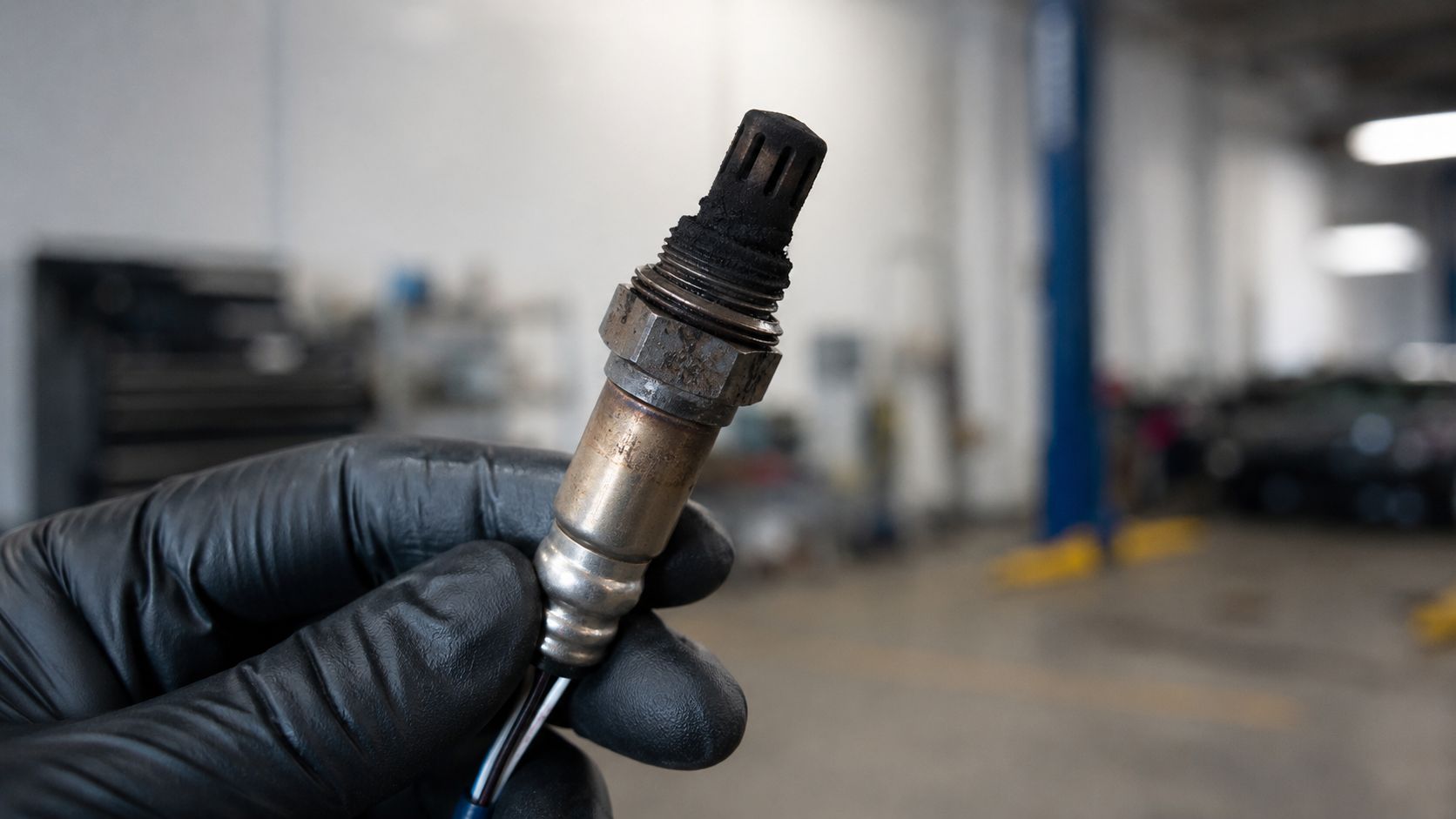
That catches people off guard because modern cars can hide emissions problems well. The engine may still drive fine while the computer has already flagged an oxygen sensor issue, a loose gas cap, a vacuum leak, worn spark plugs, or catalytic converter trouble. Those are all common triggers tied to smog-related fault codes, as explained in California smog failure guidance from Owens Auto Repair.
Why it fails instantly
The practical move is simple. If the light is on, scan the car before the test. Don't waste time hoping the issue is minor.
In the shop, this is one of the biggest first-time-pass killers because drivers confuse "runs okay" with "will pass." California's smog process for newer vehicles is a computerized compliance test, not just a quick look under the hood. If the onboard system reports a fault, that fault has to be addressed first.
Practical rule: Never clear the light on the way to a smog check and assume you solved the problem. You probably just traded one fail reason for another.
What works:
- Scan the codes first: A pre-test diagnostic scan usually tells you whether you're dealing with a sensor fault, EVAP issue, catalyst efficiency problem, or something else.
- Fix the cause, not the symptom: Replacing parts blindly gets expensive fast.
- Drive it afterward: Once repaired, the car may still need time to complete its self-checks.
What doesn't work:
- Disconnecting the battery: That often resets monitors and creates a readiness problem.
- Ignoring an intermittent light: If it comes back on, the car still has a stored issue to deal with.
2. High Emissions HC CO NOx
You drive over for a smog check, the car feels normal, and then the printout shows HC, CO, or NOx over the limit. That surprise happens a lot on older vehicles. Especially BAR-97 cars, where the test measures what the tailpipe emits.
High emissions usually come from a system that has been drifting out of spec for a while. One bad reading does not point to one guaranteed failed part. HC usually means unburned fuel is getting through. CO often shows up with a rich air-fuel mixture. NOx tends to climb when combustion temperatures run too hot.
What the readings usually point to
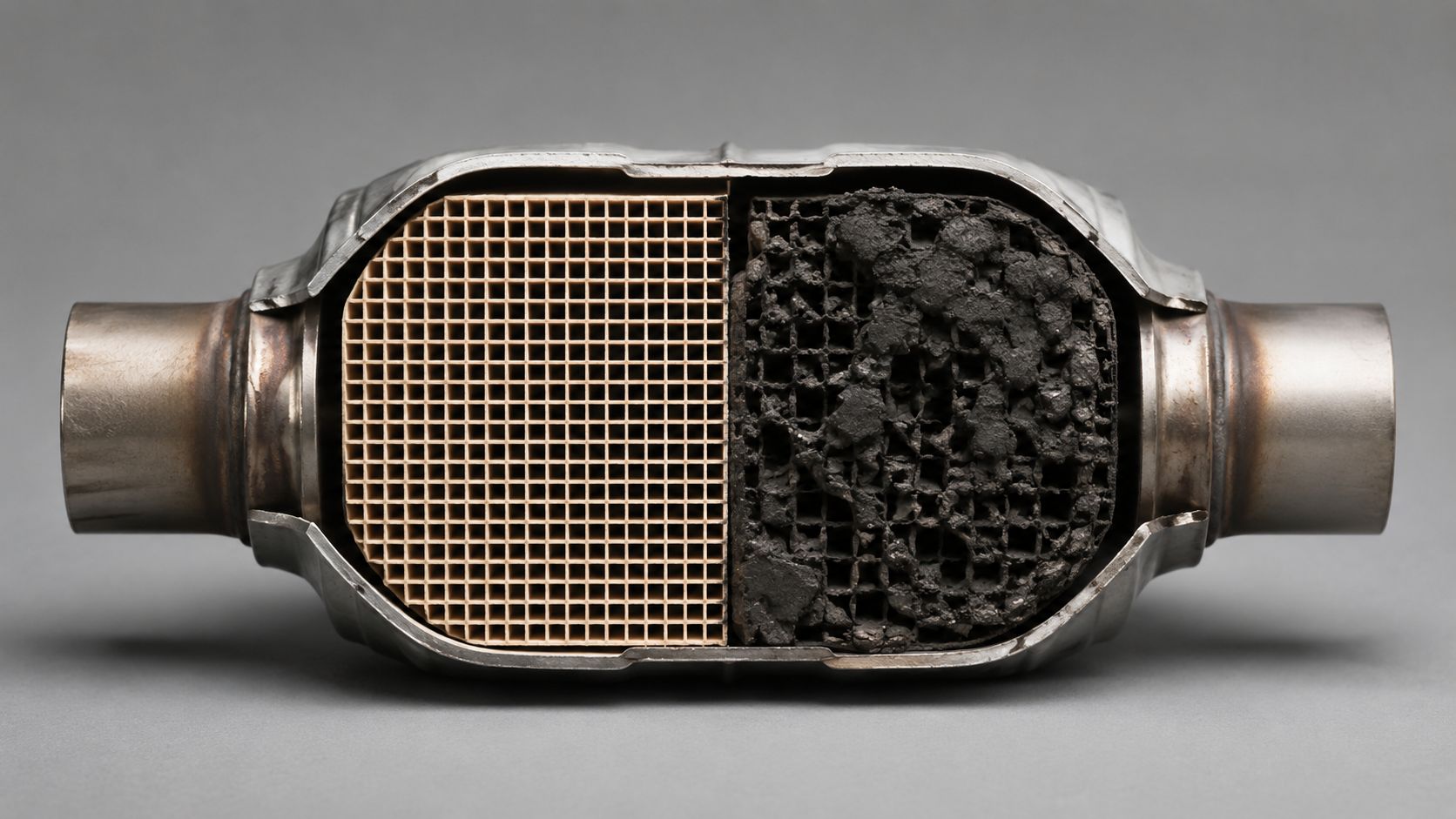
For this part of the pre-flight checklist, pay attention to patterns before you head to the station. In the shop, I look at how the car starts, idles, accelerates, and smells. A weak ignition system, vacuum leak, tired oxygen sensor, fuel-control problem, or exhaust leak can all raise tailpipe numbers.
The expensive mistake is guessing. I see Bay Area drivers replace a sensor because a friend suggested it, then replace another part, and still fail. A proper diagnosis usually costs less than stacking parts on the car and hoping one of them fixes the numbers.
High HC, CO, or NOx is a direction, not a diagnosis.
Before testing, check for clues you may have been living with for months:
- Rough idle: Often tied to misfires, vacuum leaks, or weak fuel control.
- Poor fuel economy: Can point to a rich-running condition or sensor trouble.
- Sulfur or rotten-egg smell: Often suggests the mixture is off or the exhaust aftertreatment is struggling.
- Ping under load or running hot: Often lines up with high NOx on older engines.
If your car barely passed last time, treat that as a warning. Emissions parts usually wear down gradually, and the failure often shows up before the driver notices a major performance problem. That is why a quick pre-check matters. Catch the symptom early, fix the cause once, and you have a much better shot at passing the first time.
3. Evaporative Emission Control EVAP System Failure
The EVAP system doesn't deal with what comes out of the tailpipe. It controls fuel vapors from the tank and fuel system, keeping gasoline fumes from escaping into the air. That's why a car can seem to run perfectly and still fail because of an EVAP-related problem.
This is one of the most common "I had no idea" failures. A loose gas cap after a fill-up, a cracked cap seal, a split hose, or a sticky purge valve can all trigger a fault. In everyday shop work, the gas cap is still the first thing worth checking because it's easy, cheap, and often overlooked.
The gas cap mistake drivers make all the time
A lot of drivers tighten the cap until it feels snug and move on. If the seal is worn or the cap isn't the correct one for the car, the system may still detect a leak. Then the check engine light comes on, and now the EVAP issue turns into an automatic smog failure too.
A realistic example is the commuter car that gets serviced, fueled, and driven daily with no drivability complaints at all. The owner comes in expecting a quick certificate. Instead, the computer reports an EVAP code tied to a tiny vapor leak, usually discovered only because the smog test brought attention to it.
What helps before you leave for the station:
- Check the gas cap seal: If it's cracked, hardened, or torn, replace it with the correct cap.
- Make sure the cap clicks fully: After fueling, tighten it completely.
- Don't top off repeatedly: Overfilling can contribute to EVAP problems on some vehicles.
- Handle recent warning lights seriously: Even if the light went off, the system may still have a pending issue.
In practice, EVAP faults are a good example of why smog check fail reasons aren't always dramatic mechanical failures. Sometimes the car needs a smoke test and a targeted repair. Sometimes it just needs the obvious problem caught before inspection.
4. Faulty Catalytic Converter
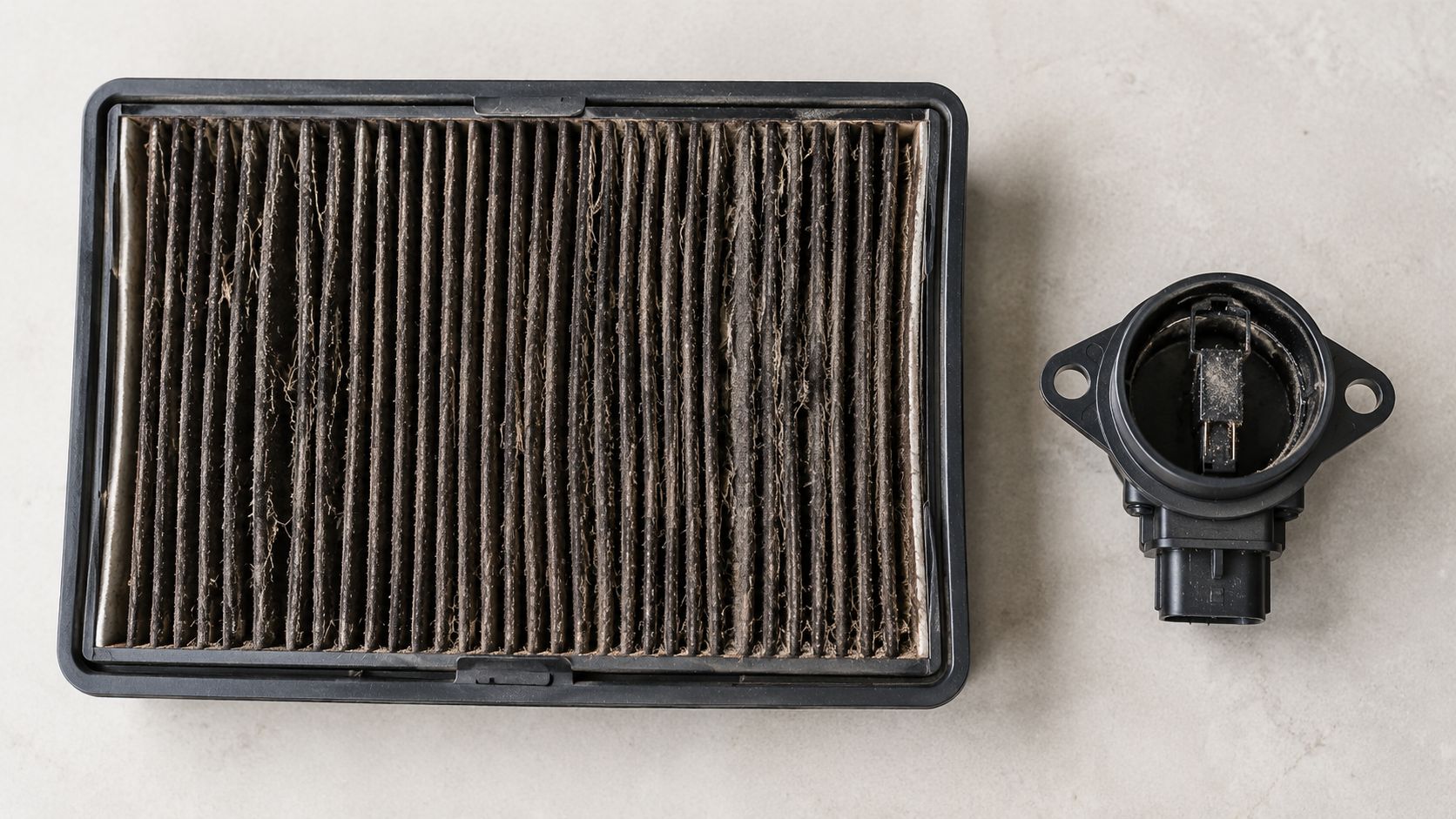
When the catalytic converter stops doing its job, passing gets difficult fast. The converter is the main cleanup device in the exhaust. It reduces harmful pollutants after combustion, so if it's clogged, contaminated, damaged, or worn out, the numbers usually show it.
Drivers often blame the converter first because it's expensive and widely discussed. In reality, a converter can be the victim as much as the cause. Long-term misfires, oil burning, rich running, or bad oxygen sensor feedback can overwork it and shorten its life.
When the converter is the real problem
A true converter problem usually shows up after simpler causes have been checked. If the engine has good ignition, no major vacuum leaks, no obvious fuel-control problems, and the emissions still stay high, the converter moves higher on the suspect list.
Rushing causes people to lose money. Installing a converter without fixing the upstream problem can ruin the replacement too. That's why any honest technician should ask why the old one failed.
Shop insight: If the converter failed because the engine was running badly for too long, the new converter won't save you unless the engine issue is fixed first.
California also cares about more than function here. The Bureau of Automotive Repair notes that modified non-approved parts or computer programming can cause failure, which matters for exhaust repairs and aftermarket parts. A vehicle with the wrong emissions parts can have a problem even before tailpipe numbers enter the conversation.
Common clues that make us look harder at the converter:
- Persistent catalyst-related codes
- High emissions with no obvious tune issue
- Rattling from inside the converter
- A car that feels choked or weak under load
This is one of the more expensive smog check fail reasons, so diagnosis matters more than ever.
5. Incomplete OBD-II Readiness Monitors
This one frustrates drivers because nothing may be broken. The car can have no check engine light, run perfectly, and still not be ready for inspection. If the readiness monitors haven't completed, the test can't be properly completed for many newer vehicles.
This usually happens after the battery was disconnected, codes were cleared, or repairs were just finished. The onboard system has to run its own self-checks again. Until it does, the car may show "not ready" even though the repair itself was successful.
A soft failure that catches drivers off guard
Timing matters significantly. Independent guidance notes that 1996-and-newer vehicles can fail readiness-flag tests, and that a proper drive cycle may take multiple trips, mixed city and highway driving, and sometimes 50 to 100 miles before monitors reset. That's why clearing codes the night before a smog check is such a bad move.
The state manual also matters here. The BAR's Smog Check Manual explains that a vehicle can fail any portion of the inspection and then be repaired and retested at a Test and Repair station, and it also notes some tests can be aborted because of equipment or power-loss issues. In plain language, not every failed visit means high emissions. Sometimes the inspection couldn't be completed properly.
A common real-world scenario is the driver who replaces a battery, sees no warning lights, and comes straight in for smog. The monitors aren't set yet, so the visit ends without the pass they expected.
If you've recently had repairs or battery work, don't guess. Check monitor status with a scan tool before you test.
What works best is boring but effective:
- Drive normally for several trips
- Include city and highway driving
- Avoid clearing codes again
- Confirm readiness before the smog visit
6. Failed Visual Inspection
Some vehicles never get far enough for emissions numbers to matter. The visual inspection can stop them first. Technicians are required to check that the emissions equipment your car is supposed to have is there, connected properly, and not obviously modified in a way that violates the rules.
Do-it-yourself repairs and aftermarket modifications can create problems. A missing vacuum hose, disconnected intake component, non-approved engine calibration, or incorrect emissions part can trigger a fail even if the car seems to drive fine.
What technicians are actually looking for
The visual portion matters because California doesn't treat emissions compliance as just a tailpipe issue. The Bureau of Automotive Repair notes common fail reasons include modified non-approved parts or computer programming, along with faulty sensors, computer controls, and other emissions-related problems. For owners, that means "it runs better now" isn't the same as "it's legal for smog."
A realistic Bay Area example is the driver who bought a used car with prior modifications and doesn't realize anything was changed. Another is the owner who replaced a part with the cheapest available option online, only to learn it doesn't meet California requirements.
Things that commonly create visual-inspection trouble:
- Missing emissions labels or routed hoses that don't match
- Aftermarket intake or exhaust parts without proper approval
- Disconnected or damaged vacuum lines
- Obvious wiring changes around emissions components
A visual failure often starts long before the test day. It starts when the wrong part gets installed.
If you've had recent engine work, it's smart to do a quick under-hood once-over before coming in. Catching a disconnected hose or loose connector in your driveway is much better than finding out at the station.
7. Poor State of Tune Old Plugs Filters Oil
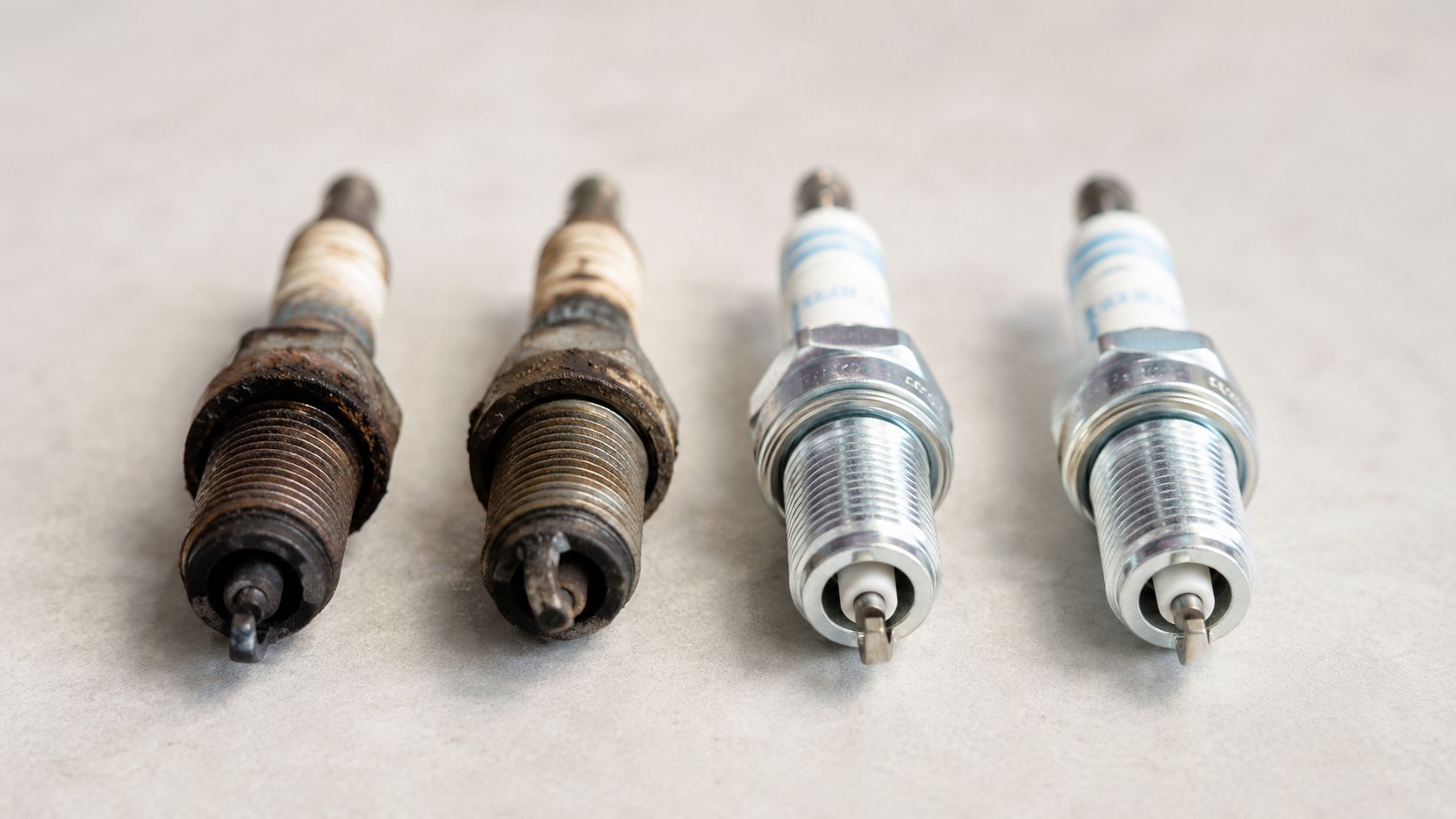
Not every failure comes from one dramatic broken part. A neglected vehicle can build enough small problems to push emissions over the line. Old spark plugs, a dirty air filter, contaminated oil, weak ignition performance, and general deferred maintenance often show up in borderline smog failures.
This is especially common on cars that are driven daily and "still seem okay." They start, they move, and they don't leave the owner stranded, so maintenance gets pushed back. Then smog day exposes the accumulated wear.
Small maintenance issues that add up
Worn spark plugs can contribute to incomplete combustion. Restricted airflow can upset the air-fuel balance. Old oil can add contamination and make an already tired engine work harder. None of that guarantees a fail by itself, but together they can stack the deck against you.
For practical prep, this is the easiest category to improve because basic maintenance is cheaper than chasing failures later. If your car is due for tune-up items and your smog date is coming, take care of those first.
A solid pre-flight check looks like this:
- Inspect spark plugs: If they're overdue or badly worn, replace them.
- Check the air filter: If it's dirty enough to restrict airflow, change it.
- Look for vacuum leaks: Brittle hoses and loose clamps matter.
- Stay current on oil service: Fresh oil won't fix a broken emissions component, but it can help a neglected engine present better.
This category also explains why older vehicles fail more often. As parts age, efficiency drops across the whole system. One weak component may not sink the test, but several tired ones often do.
7 Smog Check Failure Causes Compared
| Item | 🔄 Implementation Complexity | ⚡ Resource Requirements | 📊 Expected Outcomes | Ideal Use Cases | ⭐ Key Advantages / 💡 Tips |
|---|---|---|---|---|---|
| The Check Engine Light Is On | 🔄 Variable (low→high), depends on DTC | OBD-II scanner, tech diagnosis, possible parts/repairs | Automatic fail until diagnosed, repaired, and monitors reset | When CEL is illuminated before a smog test | ⭐ Direct fault codes guide repair. 💡 Read codes, don't just clear them. |
| High Emissions (HC, CO, NOx) | 🔄 High, targeted diagnostics to isolate pollutant source | Emissions analyzer, technician, potential sensor/cat repairs | Fail if readings exceed limits; may require component repair or replacement | When tailpipe readings are high or engine runs poorly | ⭐ Identifies combustion/aftertreatment failures. 💡 Warm freeway drive may help borderline cases. |
| EVAP System Failure | 🔄 Low–Medium, often simple leak but can be elusive | Gas cap, visual inspection tools, smoke tester at shop | Fail until leak is found and sealed; common EVAP DTCs present | If fuel smell, loose cap, or P0442/P0455 codes appear | ⭐ Often inexpensive to fix. 💡 Check/tighten/replace gas cap first; use smoke test if needed. |
| Faulty Catalytic Converter | 🔄 High, diagnosis must rule out sensors/misfires first | Technician labor, costly CARB-compliant converter (CA) | Certain smog failure if converter is clogged/contaminated; replacement usually required | When P0420/P0430 codes, rotten-egg smell, or high tailpipe pollutants | ⭐ Critical emissions control device. 💡 Fix misfires/sensors early to prevent converter damage. |
| Incomplete OBD-II Readiness Monitors | 🔄 Low, a data readiness issue, not mechanical | Time/driving (drive cycle), optional pre-scan at smog shop | Test halted as "Not Ready"; no certificate until monitors set | After battery disconnect, code clear, or recent major repairs | ⭐ Non-invasive to fix. 💡 Drive specified cycle or 100–200 miles; get a pre-scan to avoid wasted trips. |
| Failed Visual Inspection | 🔄 Medium, may be simple or require undoing mods | Replacement OEM/CARB-approved parts, technician inspection | Immediate fail for missing/modified emissions components until restored | Used/modified vehicles or after aftermarket installs | ⭐ Ensures legal emissions equipment. 💡 Keep CARB EO stickers and get a pre-inspection for used buys. |
| Poor State of Tune (Old Plugs, Filters, Oil) | 🔄 Low, routine maintenance fixes emissions | Basic parts (spark plugs, air filter, oil), low-cost service | Often reduces HC/CO and improves pass likelihood when addressed | Overdue maintenance or borderline emission results | ⭐ Most preventable cause of failure. 💡 Do a tune-up 1–2 weeks before the test. |
Pass with Confidence at Speedy Smog
Understanding the most common smog check fail reasons gives you a much better shot at passing on the first visit. Most failures come down to a handful of predictable issues: a check engine light, incomplete readiness monitors, excessive emissions, EVAP leaks, missing or modified parts, a weak catalytic converter, or a car that's overdue for basic maintenance. None of those should be a mystery by the time you pull into the station.
The smart move is to treat your smog appointment like a pre-flight check. If the check engine light is on, scan it first. If the battery was disconnected recently, verify the monitors are ready. If the car has old tune-up parts, rough idle, poor fuel economy, or obvious modifications, handle those before testing. That approach saves repeat trips and helps you avoid throwing money at the wrong repair.
It also helps to remember that not every failed visit means the same thing. Some vehicles fail because of true emissions output. Others fail because the onboard system isn't ready, the visual inspection finds a problem, or the inspection can't be completed properly. California issues a Vehicle Inspection Report after a failure, and practical guidance on what happens after a failed smog test in California notes there isn't an official limit on failures and that some drivers may qualify for repair assistance or a waiver depending on the situation. That's important because a first failure doesn't automatically mean you're facing a major overhaul.
At Speedy Smog in San Leandro, the goal is simple. Give drivers a clean, accurate inspection and help them avoid preventable mistakes. The shop is STAR Certified, handles a wide range of vehicles, and typical tests for many 2000-and-newer vehicles are completed in about 10 to 15 minutes based on Speedy Smog's published service information. If you're unsure whether your car is ready, a quick pre-check mindset goes a long way before the official test.
If you're prepared, the process is usually straightforward. If you're not sure, it's better to ask before you test than after you fail.
If you're due for a smog inspection in the East Bay, Speedy Smog in San Leandro is a practical place to start. You can stop by 15275 Washington Ave for a STAR-certified inspection, and if you're worried about common fail points like a check engine light or readiness monitors, it's worth checking in before you make the trip for your official certification.
Made with the Outrank app