
That DMV renewal notice shows up, and there it is in plain language: smog certification required. For most drivers in Union City, that's not a major crisis. It's just one more errand. But it turns into a headache fast when you pick the wrong station, show up with a check engine light on, or fail and don't know what to do next.
That's where most online advice falls short. It tells you where stations are, maybe what they charge, and not much else. In Union City, you have plenty of choice. One local directory shows posted prices from about $50 to $83 and hours that commonly run from 8:00 AM to 6:00 PM on weekdays or similar schedules in the local market, which gives drivers room to compare convenience and price before booking a visit (Union City smog station listings).
The trick isn't just finding any station. It's knowing what kind of station you need, what the technician is checking, and what to do immediately if your car doesn't pass. If you understand those three things, your smog check in Union City usually becomes a straightforward stop instead of a drawn-out problem.
Table of Contents
- Your Guide to Smog Checks in Union City
- Demystifying the California Smog Check
- How to Prepare Your Car for a Quick Pass
- STAR Certified vs Test Only Stations Explained
- What Happens If Your Vehicle Fails the Smog Check
- Your Visit to the Smog Station What to Bring and Expect
- Why Speedy Smog Is Your Go-To Station Near Union City
Your Guide to Smog Checks in Union City
A lot of Union City drivers handle this the same way. They get the notice, search for a nearby shop, glance at a price, and head over when they have a free lunch break. Sometimes that works perfectly. Sometimes it leads to a wasted trip because the car isn't ready, the station type doesn't match the DMV requirement, or the driver assumed a failed test would be easy to sort out later.
That second scenario is the one worth avoiding.
Union City has a mature smog-check market, not a one-shop town. Drivers can compare price, distance, reviews, and hours instead of taking the first option they see. That's useful, but it also means the burden shifts to you to choose the station that fits your vehicle and your DMV notice.
Why local choice helps, but only if you know the rules
If you drive a newer commuter car with no warning lights and no recent battery issue, the process is often routine. If you drive an older vehicle, a diesel, a hybrid, or a car that has already failed once, the details matter more. The station that's convenient for your neighbor may not be the right stop for your situation.
Practical rule: Treat your smog check like registration paperwork plus a vehicle inspection. It isn't just a shop visit. It's a state compliance step.
California's system has been built over decades. The state launched its first major inspection and maintenance program in the 1980s, and today the Bureau of Automotive Repair oversees licensed stations, including STAR stations that meet stricter performance standards for certain higher-risk vehicles, as outlined in this overview of the California smog-check framework and BAR oversight.
A simple way to think about it
If your goal is a smooth one-visit experience, think in this order:
- Know whether your notice requires a specific station type
- Make sure the car is test-ready
- Leave enough time to fix a problem if the vehicle fails
That last point matters more than most drivers realize. A smog check in Union City isn't hard, but it does punish last-minute planning.
Demystifying the California Smog Check
Many drivers hand over the keys and think the technician disappears into a mystery process. It's not mysterious. It's closer to a medical checkup for your emissions system. The shop is checking whether the vehicle's emissions equipment is present, working, and reporting correctly.
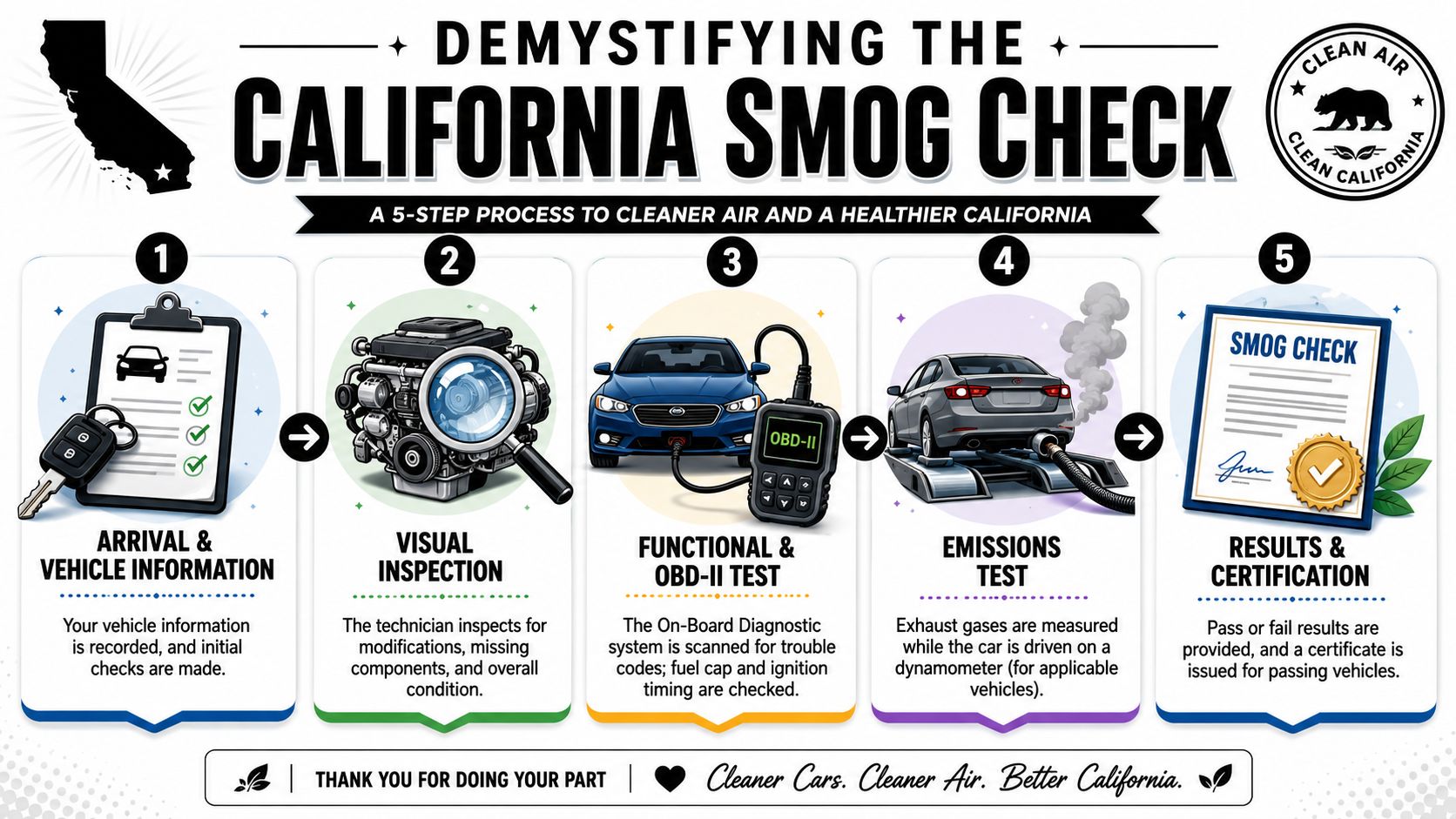
For OBD-era vehicles, the inspection includes an onboard diagnostics scan and a visual inspection of emissions components. For pre-2000 model-year vehicles, the process also includes a tailpipe emissions test. The Bureau of Automotive Repair says the full inspection typically takes about 30 minutes on its California Smog Check process page.
What the technician is actually checking
Start with the vehicle information. The station records the car's details and confirms what kind of test applies.
Then comes the visual inspection. The technician looks for emissions-related parts that are missing, altered, or obviously not in proper condition. This is one reason people run into trouble after certain modifications or after piecemeal repairs.
Next is the diagnostic side of the test. On newer vehicles, the technician connects to the car's computer through the OBD system to check for trouble codes and monitor status.
For older vehicles, there's more physical emissions measurement involved. Those cars may still need the tailpipe test, which checks what's coming out of the exhaust.
Why the process feels stricter than a basic repair visit
A repair shop visit can be flexible. A smog inspection isn't. The technician isn't grading effort. They're checking whether the vehicle meets state requirements at the time of inspection.
The smog check isn't asking, “Is this car mostly okay?” It's asking, “Does this car qualify for certification today?”
That's why something as simple as a check engine light matters so much. It tells the system there's a fault or that the emissions system may not be ready. Even when the car feels like it runs fine, the inspection may still stop right there.
Knowing that makes the process less frustrating. You're not being singled out. The test is standardized.
How to Prepare Your Car for a Quick Pass
The easiest smog check is the one you prepare for before you leave home. Most avoidable problems show up before the technician ever plugs in a scanner.
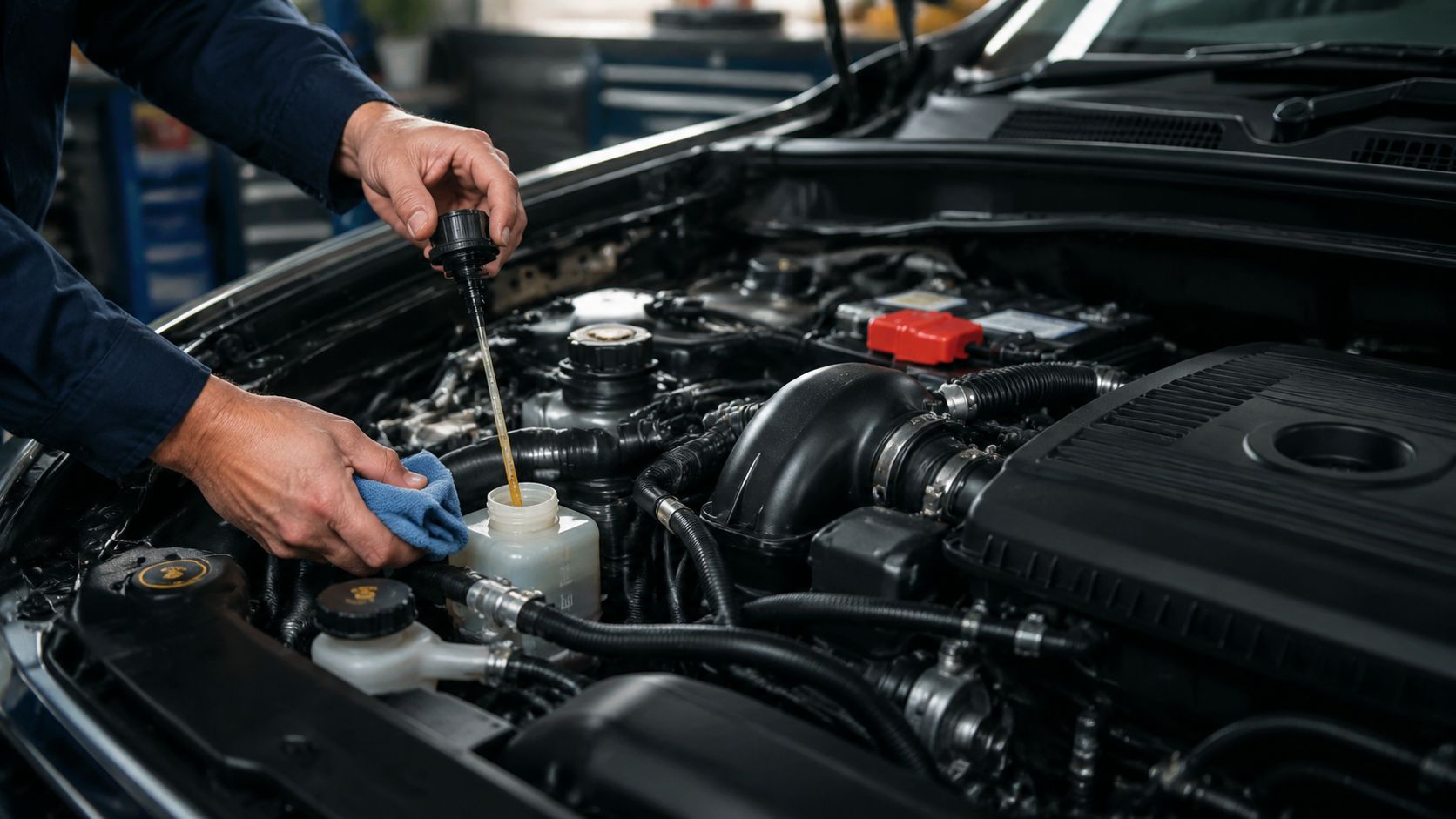
One Union City shop notes that most inspections take about 20 to 40 minutes depending on availability, and it also points out something many drivers miss: after a recent battery disconnect, BAR guidance says you should drive the vehicle for a week or two so the readiness monitors can reset before testing, as described on this Union City smog preparation page.
Your pre-test checklist
Start with the simplest item first. If the check engine light is on, don't go in expecting a pass. Have the issue diagnosed first.
Then run through this short checklist:
- Drive the car normally before the test: A car that's been sitting for a long time isn't always in the best condition for inspection.
- Avoid testing right after a battery replacement or disconnect: The car's computer may have lost the data it needs to show emissions readiness.
- Make sure recent repairs are complete: If someone repaired an emissions-related issue yesterday, the system may still need drive time before the test.
- Choose the right day: If your schedule is packed and your registration deadline is close, leave yourself room for a retest if needed.
When a recent battery disconnect changes everything
This catches people all the time. The battery gets replaced, or someone disconnects it during another repair, and the car seems fine. The owner assumes that means it's ready for smog. Often, it isn't.
The vehicle's computer uses readiness monitors to show that certain emissions checks have run. When power is disconnected, those monitors can reset. The system then needs normal driving time to collect fresh data.
That's why a short drive around the block usually isn't enough.
Shop-floor advice: If the battery was recently disconnected, put some regular city and freeway driving on the car before you test. Don't rush straight from the repair bay to the smog station.
A quick visual walkthrough can also help if you like to see the process in action before you go:
A good mental model is a pre-flight check. You're not rebuilding the engine. You're making sure the warning systems are quiet, the computer is ready, and the car has had enough normal driving to report cleanly.
STAR Certified vs Test Only Stations Explained
Many drivers frequently get confused. They hear STAR Certified, hear Test Only, and assume they mean the same thing. They don't.
What STAR really means
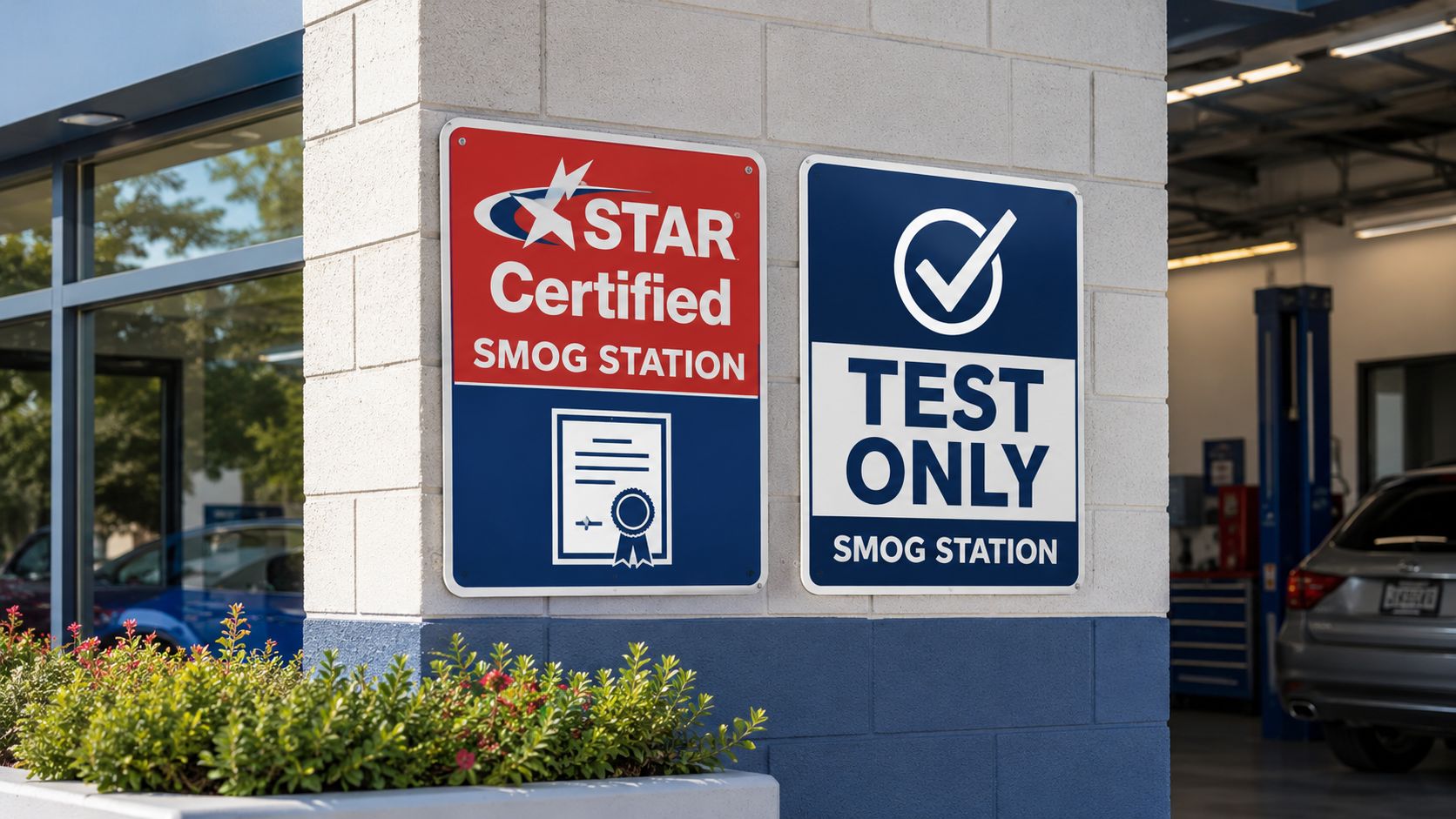
A STAR station is part of the BAR system for stations that meet stricter quality and performance benchmarks. For some vehicles, that matters because the DMV notice may specifically direct the owner to a STAR station.
That doesn't mean every driver needs one every time. It means some vehicles are routed there because the state wants inspections handled through stations that meet higher oversight standards.
If your renewal paperwork mentions STAR, don't guess. Follow that instruction. Otherwise, you may waste time at a station that can't satisfy the requirement on your notice.
When Test Only becomes important
A Test Only station is different. The key point is in the name. It performs testing, not repairs. That distinction matters when a vehicle is flagged for a certain testing path or when a failed vehicle must be handled under more specific rules.
Drivers of older vehicles, diesels, hybrids, or cars with previous emissions trouble often get confused here. They go to a repair shop expecting a complete loop of diagnosis, repair, and certification in one place, only to find the testing side has to happen elsewhere.
Here's the practical difference:
| Station Type | Main Role | Common Driver Question |
|---|---|---|
| STAR Certified | Performs inspections under stricter BAR performance standards for certain vehicles | “Does my DMV notice require STAR?” |
| Test Only | Tests the vehicle but does not perform repairs | “Why can't this shop fix it and test it?” |
If your car has been flagged or your paperwork is specific, the station type isn't optional. It's part of the compliance process.
The safest move is to read the notice carefully before you book anything. If the notice is unclear, call the station and ask whether they handle your exact vehicle category and testing requirement. That one phone call can save you a completely unnecessary trip.
What Happens If Your Vehicle Fails the Smog Check
A failed test feels worse than it usually is. The car didn't “flunk forever.” It means the vehicle did not qualify for certification that day, and now you need to move quickly and methodically.
The biggest mistake is delay.
The first thing to do after a failed test
Get clear on why it failed. Was it a check engine light issue, a readiness problem, missing equipment, or an emissions reading problem on an older vehicle? You need the specific reason before you spend money on repairs.
Then decide whether you need diagnosis, repair, a retest, or a verification path through BAR. The key is timing. Drivers are often unaware of the 30-day window to repair and retest or request a verification test from BAR to avoid registration suspension, and that gap in understanding is one of the biggest local pain points around smog check Union City searches.
How to avoid a registration mess
Don't treat a failure as something to revisit “when you have time.” If you miss the required follow-up window, the problem can move from a repair issue into a registration issue.
The practical sequence looks like this:
- Read the failed inspection paperwork carefully
- Schedule diagnosis or repairs right away
- Keep your retest timeline in mind
- If needed, ask about a BAR verification route before the window closes
The high-anxiety part for many drivers is the possibility of a $500+ state penalty for non-compliance if the issue is left unresolved, which is why acting promptly matters so much. The failure itself is usually manageable. Ignoring it is what creates the larger problem.
A failed smog test is usually a repair and paperwork problem, not a dead-end problem.
If you're worried about cost, ask the shop whether there are state assistance paths or BAR-related options that may apply to your case. Don't assume you have only one path forward.
Your Visit to the Smog Station What to Bring and Expect
The appointment itself is usually the easy part if you show up prepared. Most stress on test day comes from missing paperwork, unclear payment expectations, or not knowing whether the station can handle your vehicle type.
Smog Check Day Checklist
| Item | Why You Need It |
|---|---|
| DMV renewal notice | It helps confirm whether smog certification is required and whether your notice calls for a specific station type such as STAR. |
| Vehicle registration | It helps the station confirm vehicle details and match the inspection to the correct record. |
| Method of payment | Some drivers focus on price and forget the practical part. Bring the payment type the station accepts so pickup is simple. |
| A little extra time | Even a routine visit can slow down if the shop is busy or your vehicle needs additional review. |
| Questions about recent repairs | If the battery was disconnected or emissions work was just done, tell the technician before testing starts. |
What the appointment usually feels like
A standard visit is straightforward. You check in, the station confirms the vehicle information, the technician runs the inspection, and you get a pass or fail result.
If your car is a newer model and everything is in order, the stop often feels like a quick errand. If your car is older or has a recent repair history, the shop may need a little more setup or clarification before testing.
A few habits make the day smoother:
- Arrive with the engine recently driven: That usually puts the vehicle in a more normal operating state.
- Mention any warning light history: Don't wait for the scanner to surprise both of you.
- Ask about turnaround before you leave the counter: It helps if you're fitting the appointment into a workday.
Good stations appreciate a prepared customer because it speeds up the whole process for everyone in line.
Why Speedy Smog Is Your Go-To Station Near Union City
You get your renewal notice, spot a STAR requirement, and suddenly a simple errand feels more like a test. The real question is which station will handle your car type, meet the DMV requirement, and keep you from wasting a trip.
For Union City drivers who do not mind a short drive north, Speedy Smog in San Leandro is one practical option. It is a STAR Certified station, which matters if your notice specifically calls for STAR service. The publisher information provided also indicates quick turnaround for many newer vehicles, with service available for older cars, diesels, and hybrids as well. That broader vehicle coverage can help if your family has more than one car with different smog needs.
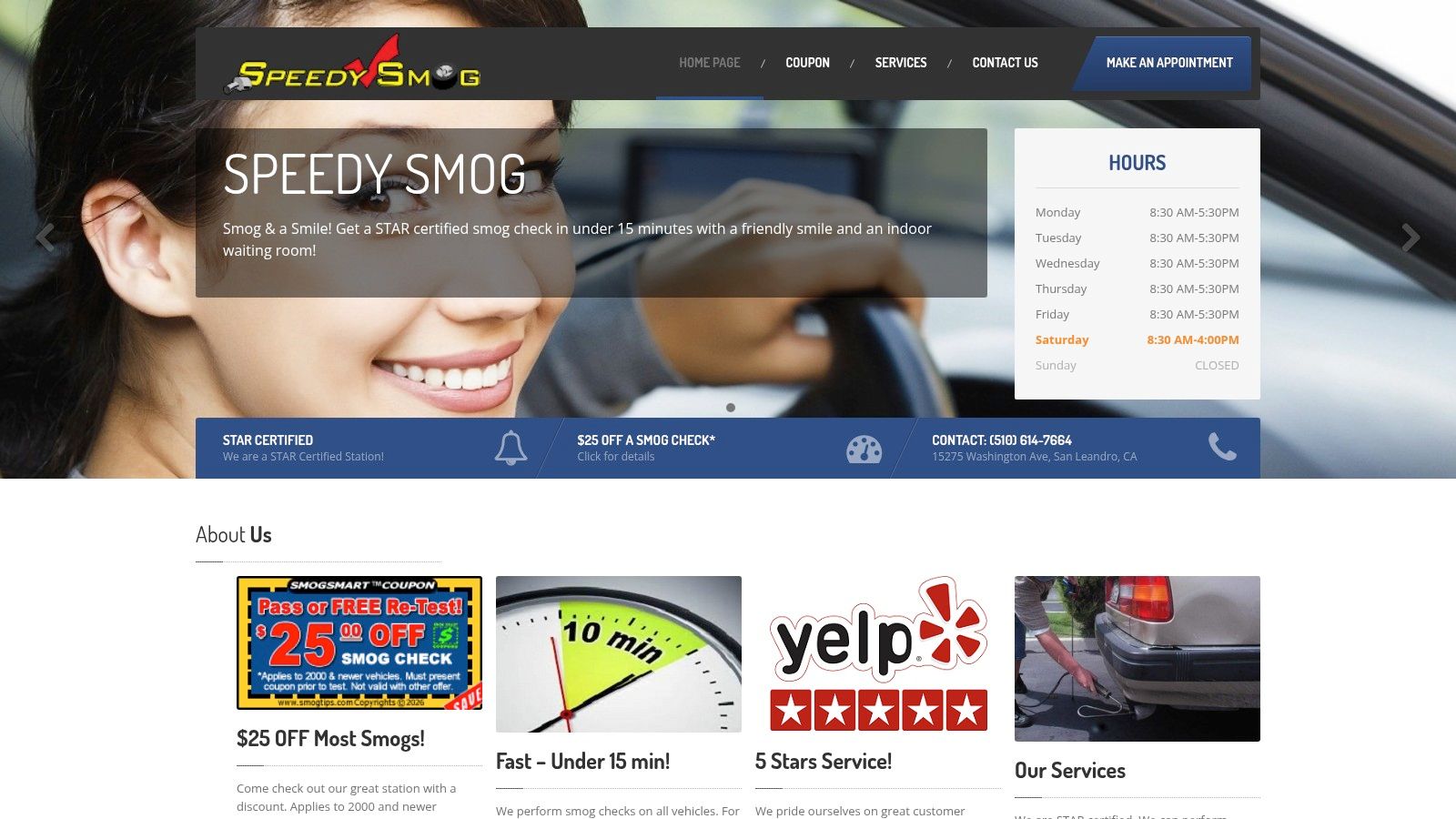
The biggest benefit is not just speed. It is fit.
A station is a good choice when it matches both your vehicle and the wording on your DMV notice. That is the part many drivers miss. A shop can be nearby and reasonably priced, but if your paperwork requires a STAR station and you pull into a non-STAR location, you have not solved the problem. You have only added another stop to your day.
The San Leandro location at 15275 Washington Ave is close enough for many East Bay drivers to treat as a practical backup to shops in Union City. That can be especially useful if local listings feel interchangeable and you want a place that lines up with a specific DMV requirement instead of guessing.
A few points make it stand out:
- STAR certification: Useful for drivers whose renewal notice requires a STAR station.
- Fast service for many newer vehicles: Helpful if you are trying to fit the visit into lunch, errands, or a work break.
- Indoor waiting area: A simple comfort, but appreciated if you stay on-site.
- Coupons at times: Worth checking if total out-the-door cost matters to you.
Choosing a smog station works a lot like choosing the right tool for a repair. The cheapest wrench is not helpful if it does not fit the bolt. In the same way, the lowest advertised smog price is not much help if the shop cannot perform the station type your registration requires.
If Speedy Smog fits your notice and your vehicle, it may save you time and keep the process straightforward. Check your DMV paperwork carefully, confirm whether you need a STAR station, and leave yourself enough room before your deadline in case a retest or repair ends up being part of the process.