Emissions Closest to Me: Find a Station Fast
Your registration renewal is due, and you need to find emissions closest to me — fast. Every year, millions of California drivers face the same situation: a DMV notice arrives, and suddenly finding the closest emissions testing station becomes urgent.
You need a station that's convenient, quick, and won't make you wait half a day. This guide shows you exactly how to find the closest emissions testing facility near you, what to bring, what to expect, and how to get in and out quickly.
Emissions Testing Locations Near Me
Finding emissions closest to me starts with knowing what type of station you need. California's smog check program requires most vehicles to visit a STAR-certified station — not just any shop with a tailpipe machine.
Here's why that matters: if your vehicle's registration renewal notice says "Smog Check required at a STAR station," a non-STAR shop cannot legally complete your test. You'd drive there, wait, and leave empty-handed.
What is a STAR-certified station?
STAR is a designation from the California Bureau of Automotive Repair (BAR). Stations earn STAR status by meeting higher performance standards — lower failure rates, accurate testing equipment, and consistent compliance with state protocols. The California Bureau of Automotive Repair maintains a searchable database of all licensed smog check stations, including STAR-certified locations.
Types of emissions testing facilities
Smog Check Station Types in California
| Station Type | Who Needs It | What It Does | Notes |
|---|---|---|---|
| STAR Station | Vehicles flagged by DMV for STAR-only testing | Test and certificate issuance | Required for directed vehicles |
| Test-Only Station | Vehicles referred by BAR for referee testing | Test only — no repairs | Cannot perform repairs on-site |
| Test-and-Repair Station | Most standard vehicles | Test plus repairs if needed | Convenient if your car might fail |
| Gold Shield Station | Collector vehicles, certain exemptions | Specialized testing | Not required for most drivers |
Most drivers need either a STAR station or a standard test-and-repair station. Check your DMV renewal notice — it will tell you exactly which type applies to your vehicle.
How to Find the Closest Emissions Testing Center
The fastest way to locate emissions closest to me is through the official California BAR station locator at bar.ca.gov. Enter your zip code, select station type, and the tool returns a list sorted by distance with addresses, phone numbers, and hours.
Three reliable methods to find the closest emissions testing facility:
-
BAR's official locator — Go to bar.ca.gov, click "Find a Smog Station," enter your zip code. Filter by STAR-certified if your renewal notice requires it. This is the most accurate source because it reflects current license status.
-
Google Maps search — Type "smog check near me" or "emissions test near me" into Google Maps. Look for stations with "STAR" in the name or description. Call ahead to confirm STAR status before driving over.
-
Your DMV renewal notice — Some notices include a list of nearby STAR stations pre-printed based on your registered address. Check the back of your notice before searching online.
Key Insight: The BAR locator is the only source that shows real-time license status. A station that appears on Google Maps may have had its license suspended. Always verify through BAR if you're unsure.
What to Expect During Emissions Testing
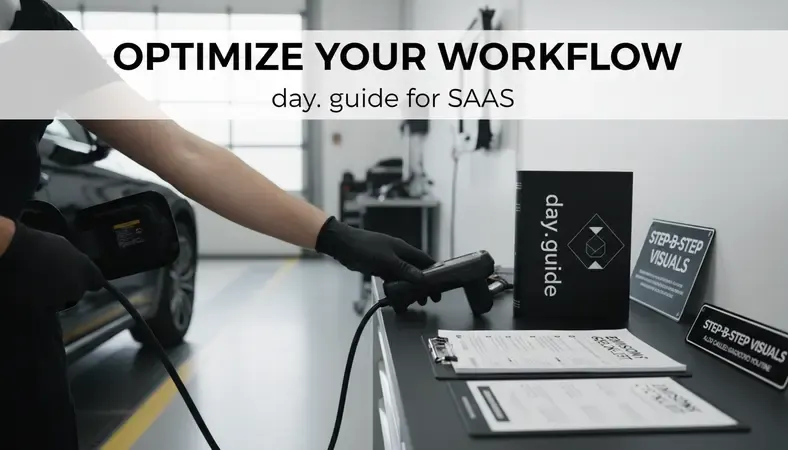
An emissions test — also called a smog check — typically takes 15 to 30 minutes from the moment you pull in. Here's the sequence:
-
Check-in: You hand over your vehicle registration and ID. The technician enters your VIN and plate number into the state system.
-
Visual inspection: The technician checks for obvious tampering — missing catalytic converter, disconnected vacuum lines, visible exhaust leaks. This takes about two minutes.
-
OBD-II scan (1996 and newer vehicles): A scanner plugs into your car's diagnostic port under the dashboard. It reads emissions-related trouble codes and checks that all onboard monitors have completed their readiness cycles. If your check engine light is on, you will fail this portion.
-
Tailpipe test (older vehicles, typically pre-1996): A probe is inserted into the exhaust pipe while the engine runs at different RPM levels. The machine measures hydrocarbons, carbon monoxide, and oxides of nitrogen.
-
Certificate issuance: If you pass, the station transmits results directly to the DMV. You receive a printed certificate. No separate paperwork is needed — the DMV updates your record automatically within a few days.
According to the California BAR, approximately 85% of vehicles pass their smog check on the first attempt. If your vehicle fails, the station provides a diagnostic report showing exactly which monitors or readings were out of spec.
Required Documents and Vehicle Information
Showing up with the right documents saves time. Here's what to bring when you visit the closest emissions testing station:
- Vehicle registration card — The technician needs your current registration to enter your information into the state system.
- Government-issued ID — A driver's license or state ID confirms you are the registered owner or authorized representative.
- DMV renewal notice (if applicable) — If your notice specifies a STAR-only test, bring it. Some stations ask to see it to confirm the requirement.
- Cash or card — Most stations accept both, but call ahead if you prefer a specific payment method.
You do not need to bring your title, insurance card, or any prior smog certificates. The BAR system has your vehicle's history on file.
Before you go — make sure your vehicle is ready:
- The check engine light should be off. If it's on, fix the underlying issue first.
- Don't disconnect your battery within two weeks of the test. Disconnecting resets the OBD-II monitors, and the car will fail for incomplete readiness — even if nothing is wrong with it.
- Drive the vehicle for at least 50 to 100 miles after any battery reset or repair before testing. This allows the monitors to complete their cycles.
- Make sure the gas cap is tight. A loose cap triggers an evaporative emissions monitor failure.
Emissions Testing Costs and Fees
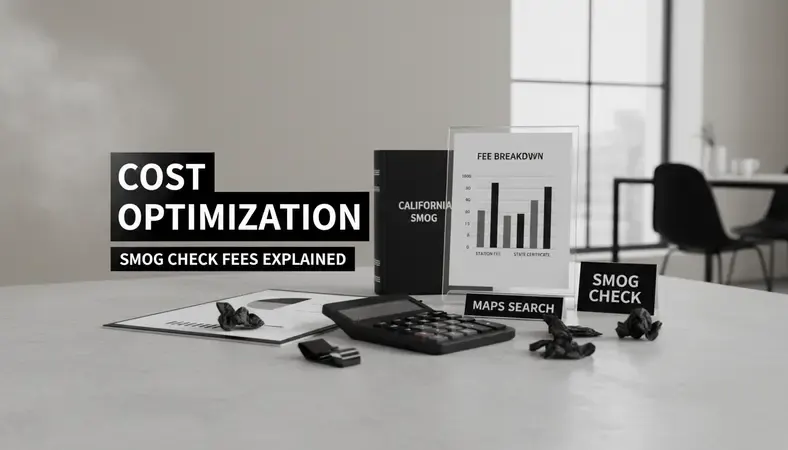
California smog check fees have two components: the station's testing fee and the state certificate fee.
- Station testing fee: Varies by station, typically ranging from $29 to $89 depending on location and vehicle type. Diesel vehicles and those requiring a tailpipe test may cost more.
- State certificate fee: $8.25 per test, paid to the BAR through the station. This is fixed statewide.
Certain vehicles qualify for the Consumer Assistance Program (CAP), which provides repair assistance up to $500 or a retirement incentive up to $1,500 for vehicles that fail smog and cannot be economically repaired. The California Consumer Assistance Program is administered by the BAR and income eligibility applies.
Cost comparison by vehicle type:
| Vehicle Type | Typical Station Fee | State Certificate Fee | Notes |
|---|---|---|---|
| Standard gasoline (1996+) | $29–$55 | $8.25 | OBD-II test only |
| Pre-1996 gasoline | $45–$75 | $8.25 | Tailpipe test required |
| Diesel | $55–$89 | $8.25 | Different probe equipment |
| Hybrid | $29–$55 | $8.25 | OBD-II test, same as standard |
Prices vary by county and station. The Bay Area tends to run slightly higher than inland areas. Always call ahead if cost is a factor — stations are required to post their fees, and most will quote you over the phone.
Hours and Appointment Availability
Most emissions testing stations operate six days a week, with Monday through Saturday being standard. Sunday hours are less common but exist at some locations. Typical hours run from 8:00 AM to 5:00 PM, though some stations open earlier or close later.
Walk-ins vs. appointments:
The majority of smog check stations accept walk-ins. You pull in, wait your turn, and get tested. Wait times vary — early morning on weekdays tends to be fastest, while Saturday mornings can back up quickly.
Some stations now offer online scheduling, which lets you reserve a specific time slot. This is worth using if you have a tight schedule or if the station you want is known to be busy. Call the station directly or check their website to see if online booking is available.
When to go for the shortest wait:
* Tuesday through Thursday mornings are typically the least busy
* Avoid the last week of the month — that's when most registration renewals are due, and stations get crowded
* Early morning (first 30 minutes after opening) is almost always faster than midday
How to Schedule Your Test Online
Scheduling emissions closest to me online is straightforward at stations that offer it. Here's the process:
- Find a station using the BAR locator at bar.ca.gov or Google Maps.
- Visit the station's website or call to check if online booking is available.
- Select your date and time — most online systems show available slots in real time.
- Enter your vehicle information — year, make, model, and license plate number. Some systems also ask for your VIN.
- Confirm your appointment — you'll receive a confirmation email or text. Save it in case you need to reschedule.
- Arrive 5 minutes early — bring your registration, ID, and payment.
If a station doesn't offer online scheduling, a phone call takes about two minutes. Most stations can fit you in the same day if you call before 10:00 AM.
Common Questions About Emissions Testing
How do I know if my vehicle needs a smog check?
California requires smog checks every two years for most gasoline-powered vehicles model year 1976 and newer. Your DMV renewal notice will state whether a smog check is required for this renewal cycle. Vehicles less than eight model years old are currently exempt from biennial testing under California's rolling exemption — though this exemption has been subject to legislative changes. Check your specific notice rather than relying on general rules.
What happens if I fail my emissions test?
A failure means one or more components didn't meet California's standards. The station provides a Vehicle Inspection Report detailing exactly what failed. You have two options: repair the vehicle and retest, or apply for the Consumer Assistance Program if repair costs are prohibitive. Some stations offer a free retest within 30 days if repairs are done at the same facility — ask before you leave.
Can I drive my car to the closest emissions testing station if the check engine light is on?
Yes, you can drive there — but you will fail the test. California's OBD-II protocol automatically fails any vehicle with an illuminated Malfunction Indicator Lamp (check engine light). Get the underlying code read first (most auto parts stores do this for free), address the issue, clear the code, and drive 50 to 100 miles before testing.
Does the emissions test affect my car in any way?
No. The OBD-II scan is entirely non-invasive — the technician plugs a reader into a port that's already there for diagnostic purposes. The tailpipe test on older vehicles uses a probe that doesn't contact any mechanical components. The test itself causes no wear, no changes to your vehicle's settings, and no lasting effects.
How long does my smog certificate stay valid?
A passed smog certificate is valid for 90 days from the test date. If you don't renew your registration within that window, you'll need to retest. Most people test and renew in the same week to avoid this situation.
What This Means for You
Finding emissions closest to me doesn't have to eat up your afternoon. Use the BAR locator to confirm STAR status, arrive with your registration and a cold engine that's already warmed up, and most vehicles are in and out in under 20 minutes.
Book your smog check at Speedy Smog in San Leandro — STAR certified, most vehicles done in under 15 minutes, open 6 days a week. Save $25 and skip the wait by calling (510) 614-7664. Ready to get started? Visit Speedy Smog to learn more.