
Vehicle Inspection Service: What You Need to Know
Getting your car inspected can feel like a mystery — you pull in, hand over the keys, and hope for the best. But understanding what a vehicle inspection service actually involves puts you in control. Whether you’re renewing your registration, buying a used car, or just want to know your vehicle is roadworthy, this guide covers exactly what happens, what gets checked, and how often you need to go.
What Is a Vehicle Inspection Service?
A vehicle inspection service is a formal evaluation of your car’s mechanical condition, safety systems, and — depending on your state — its emissions output. Cloud Computing: Definition and How A trained technician examines specific components against a defined checklist, then issues a pass or fail result.
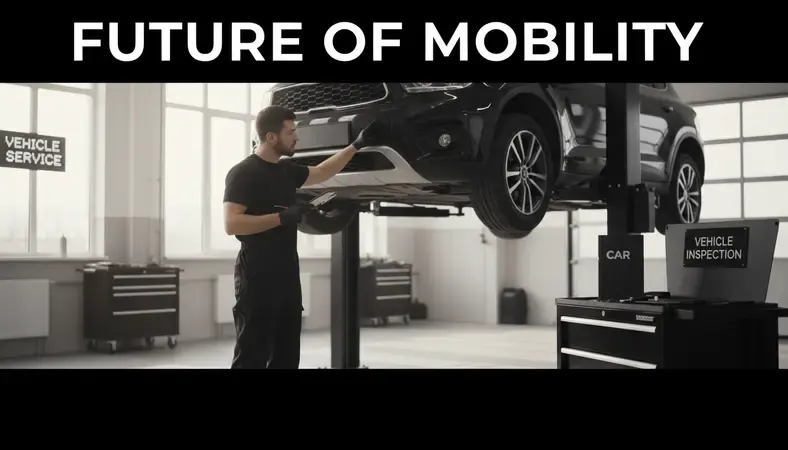
The term “car vehicle inspection” gets used loosely, but there are actually several distinct types. Some are required by law. Others are voluntary but smart. Knowing the difference saves you time and money.
States run their own inspection programs, so requirements vary significantly. California, for example, requires emissions testing — called a smog check — for most vehicles every two years. Texas requires a combined safety and emissions inspection annually. Some states, like Florida, have no mandatory inspection program at all. The National Conference of State Legislatures tracks these programs and notes that requirements differ not just by state but sometimes by county and vehicle age.
Key Insight: A vehicle inspection is not the same as routine maintenance. An inspection tells you what’s wrong. Maintenance fixes it. Both matter — but they serve different purposes.
Types of Vehicle Inspections
Not every inspection is the same. Here’s a breakdown of the main types you’ll encounter:
Comparison of Vehicle Inspection Types
| Inspection Type | What It Covers | When You Need It | Who Requires It |
|---|---|---|---|
| Safety Inspection | Brakes, lights, tires, steering, wipers | Registration renewal | State DMV |
| Emissions Inspection | Exhaust gases, OBD system, catalytic converter | Registration renewal | State/county |
| Pre-purchase Inspection | Full mechanical and safety evaluation | Before buying a used car | Buyer-initiated |
| Out-of-state Transfer | Safety + emissions for new state registration | Moving to a new state | State DMV |
| Commercial Vehicle Inspection | DOT compliance, weight limits, cargo systems | Ongoing for commercial vehicles | Federal/state DOT |
Each type of vehicle inspection service has a specific purpose. Safety inspections confirm your car won’t endanger you or others on the road. Emissions inspections verify your car isn’t polluting beyond legal limits. A pre-buy car inspection — which you arrange independently before purchasing a used vehicle — is the most thorough because it’s done entirely for your benefit with no time pressure.
Safety Inspections
Safety inspections focus on the mechanical systems that keep you and other drivers safe. Technicians check brakes, headlights, turn signals, tires, windshield wipers, mirrors, and steering components. If anything fails, you’ll get a list of what needs repair before the vehicle can be registered.
Emissions Inspections
Emissions inspections — sometimes called smog checks — measure the pollutants your vehicle releases. Technicians connect a diagnostic tool to your car’s OBD-II port (the onboard diagnostics system every car built after 1996 has) and read the data your car’s computer has been tracking. They may also run a tailpipe test on older vehicles. California’s Bureau of Automotive Repair reports that smog checks have helped reduce vehicle-related smog-forming emissions by more than 75% since the program began in the 1980s.
Pre-Buy Car Inspections
A pre-buy car inspection is the smartest money you’ll spend before purchasing a used vehicle. You bring the car to an independent vehicle inspection station — one with no connection to the seller — and a technician evaluates everything: engine condition, transmission, suspension, rust, accident damage, and more. A typical pre-purchase inspection costs between $100 and $200 and can reveal problems that would cost thousands to fix.
Why Vehicle Inspections Are Important
Skipping a vehicle inspection service isn’t just a legal risk — it’s a safety risk. The Federal Highway Administration estimates that vehicle defects contribute to roughly 2% of all traffic crashes annually in the United States. That sounds small until you realize how many millions of accidents happen each year.
From a practical standpoint, inspections matter for three reasons:
- Legal compliance: Most states tie vehicle registration to a passed inspection. Drive with expired registration and you risk fines, impoundment, or worse.
- Resale value: A car with a clean inspection history is easier to sell and commands a higher price. Buyers ask for inspection records.
- Early problem detection: Catching a failing brake caliper or a cracked CV boot during an inspection costs far less than dealing with the breakdown — or accident — those failures cause.
For California drivers specifically, the smog check is non-negotiable. Vehicles that fail can’t be legally registered until the problem is repaired and the car passes a retest. The California Bureau of Automotive Repair administers the STAR program, which certifies stations to test and repair vehicles that have failed initial inspections.
What Gets Checked During an Inspection
The exact checklist depends on the type of vehicle inspection service and your state’s requirements. Here’s what a typical combined safety and emissions inspection covers:
Safety systems:
* Brakes — pad thickness, rotor condition, brake fluid level
* Tires — tread depth, inflation, sidewall condition
* Lights — headlights, taillights, brake lights, turn signals, hazard lights
* Steering and suspension — play in the steering wheel, shock absorber condition
* Windshield — cracks, wiper blade condition, washer fluid
* Mirrors — presence and adjustment
* Seat belts — function and condition
* Horn — audible and working
Emissions systems:
* OBD-II diagnostic scan — reads fault codes from the car’s computer
* Readiness monitors — confirms the car’s systems have completed their self-tests
* Tailpipe test — measures hydrocarbons (HC), carbon monoxide (CO), and nitrogen oxides (NOx) on older vehicles
* Visual inspection — checks for obvious tampering with emissions equipment like the catalytic converter or EGR valve
One thing many drivers don’t realize: your “check engine” light alone can cause an emissions failure. The OBD-II system stores fault codes when something goes wrong, and a lit check engine light almost always means at least one active code. Fix the underlying problem, clear the code, and drive for a few days before your inspection — this lets the car’s monitors reset and confirm everything is working correctly.
How Often Do You Need Vehicle Inspections?
The frequency of a vehicle inspection service depends entirely on where you live and what type of inspection is required.
- Annual inspections: States like Texas, New York, and Virginia require safety inspections every year. Some combine safety and emissions into a single annual test.
- Biennial inspections: California requires smog checks every two years for most vehicles, typically at registration renewal time.
- Initial registration only: Some states require an inspection only when you first register a vehicle in that state — usually after moving from another state.
- No mandatory inspection: States like Florida, Michigan, and South Carolina have no statewide vehicle inspection requirement, though local jurisdictions may have their own rules.
Vehicle age matters too. In California, cars less than eight model years old are generally exempt from smog checks. Vehicles 1975 and older are also exempt. Diesel vehicles over a certain weight have separate testing requirements.
The simplest approach: check your registration renewal notice. It will tell you whether an inspection is required and what type. If you’ve moved recently, check your new state’s DMV website — requirements for out-of-state vehicles often differ from those for vehicles already registered in the state.
Vehicle Inspection vs Emissions Testing
These two terms get used interchangeably, but they’re not the same thing.
A vehicle inspection service is the broader category. It can include safety checks, mechanical evaluations, and emissions testing — or any combination of those. An emissions test (smog check) is specifically focused on what comes out of your tailpipe and what your car’s computer is reporting about its own emissions systems.
Here’s the practical difference: your car could pass an emissions test and still fail a safety inspection because of bald tires or broken brake lights. And it could pass a safety inspection but fail emissions because of a faulty oxygen sensor or catalytic converter.
Some states run both as part of a single appointment at a certified vehicle inspection station. Others separate them. In California, smog checks and safety inspections are handled independently — the smog check is the mandatory one for registration, while safety is generally the owner’s responsibility.
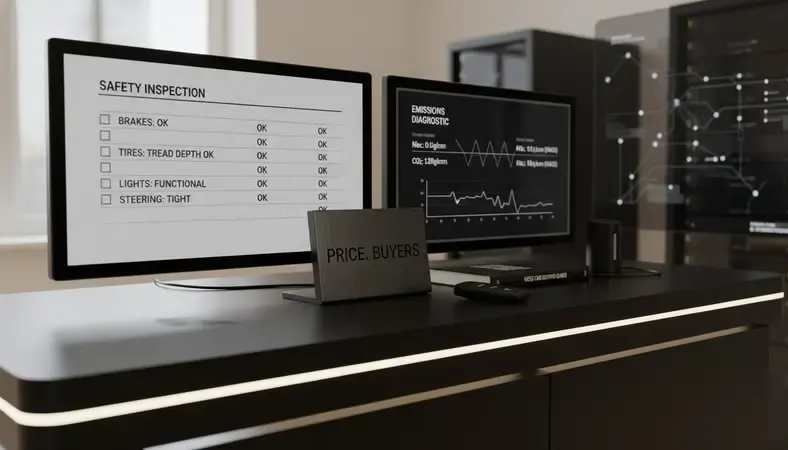
If you’re buying a used car, don’t confuse a passed smog check with a clean bill of mechanical health. A car can pass emissions and still have serious engine, transmission, or suspension problems. That’s exactly why a pre-buy car inspection from an independent vehicle inspection station is worth the investment.
How to Find a Vehicle Inspection Service Near You
Finding a reliable vehicle inspection service comes down to a few key factors: certification, convenience, and transparency.
Look for State Certification
Not every shop can perform a legally valid inspection. In California, smog check stations must be licensed by the Bureau of Automotive Repair. STAR-certified stations can test all vehicles, including those directed by the DMV for a referee inspection. When searching for a car inspection station, confirm it holds the appropriate state license for the type of inspection you need.
Steps to Find and Use a Vehicle Inspection Service
- Check your registration notice: It will specify what type of inspection is required and sometimes list approved stations in your area.
- Search your state DMV’s website: Most state DMV sites have a locator tool for certified inspection stations.
- Read recent reviews: Look for stations with consistent feedback about accurate results, fair pricing, and fast turnaround.
- Call ahead: Ask how long the inspection takes, whether you need an appointment, and what documentation to bring (usually your registration and ID).
- Bring the right paperwork: Some states require you to present your current registration or proof of insurance at the time of inspection.
- Ask about same-day results: Most vehicle inspection services issue results immediately. If you fail, ask for a written report — it tells you exactly what needs repair.
What to Bring
- Current vehicle registration
- Government-issued ID
- Payment (cash or card — confirm which the station accepts)
- Any repair receipts if you’ve recently fixed something that caused a previous failure
If you’re in San Leandro or the surrounding East Bay area and need a smog check, you can make an appointment at Speedy Smog to get tested at a STAR-certified station. Most vehicles are done in under 15 minutes.
Common Questions About Vehicle Inspection Services
What happens if my car fails a vehicle inspection?
You’ll receive a written report listing every item that failed. For safety inspections, you have a set period — typically 30 to 60 days depending on your state — to make repairs and return for a retest. For emissions failures in California, you may qualify for a cost assistance program through the Bureau of Automotive Repair if repair costs exceed a certain threshold. The program can cover up to $500 in qualifying repair costs for income-eligible vehicle owners.
Can I drive my car if it fails inspection?
It depends on the state and the nature of the failure. In most states, you can drive your car home after a failed inspection, but you cannot legally register it until it passes. Driving with expired registration is a separate infraction. If the failure involves a critical safety issue — like brake failure — some states will issue a “rejection sticker” that effectively prohibits the vehicle from being driven until repaired.
How long does a vehicle inspection service take?
A standard smog check takes 15 to 30 minutes for most vehicles. A combined safety and emissions inspection may take 30 to 45 minutes. A pre-buy car inspection is the most thorough and typically takes one to two hours. If the station is busy, add waiting time — calling ahead or scheduling an appointment avoids this entirely.
Is a pre-buy car inspection worth it?
Yes, without question. A pre-buy car inspection from an independent vehicle inspection station typically costs $100 to $200. It can reveal hidden problems — engine wear, frame damage from accidents, failing transmission — that the seller may not disclose or may not even know about. On a $10,000 used car purchase, spending $150 to confirm the vehicle is sound is straightforward risk management.
What’s the difference between a STAR station and a regular smog station in California?
In California, smog check stations are either regular test-only stations, test-and-repair stations, or STAR-certified stations. STAR certification means the station has met higher performance standards set by the Bureau of Automotive Repair. Vehicles that the DMV specifically directs for a “referee” inspection — usually because of a previous failure or a vehicle history flag — must go to a STAR station. If your registration notice says “STAR station required,” you can’t use a non-certified shop.
Does a vehicle inspection affect my insurance?
A standard safety or emissions inspection does not directly affect your insurance rates. However, if an inspection reveals that your vehicle has been in an unreported accident or has significant structural damage, that information could become relevant if you’re filing a claim. For pre-purchase inspections, having a clean inspection report can sometimes support a negotiation for lower purchase price — which indirectly affects the value of your coverage.
Conclusion
A vehicle inspection service keeps your car legal, safe, and running the way it should. Knowing what type you need — safety, emissions, or pre-purchase — and finding a certified station makes the whole process straightforward.
If you’re due for a smog check in San Leandro, book your inspection at Speedy Smog — STAR certified, most vehicles done in under 15 minutes, open six days a week, with a $25 savings available when you call (510) 614-7664.